
Forget pure physical stamina; the real battle for Formula 1 drivers today is a brutal war of the mind. As F1 TV analyst Alex Brundle highlighted after the Japanese Grand Prix, the current grid is facing unprecedented levels of mental exhaustion, a challenge amplified by the sophisticated demands of modern machinery. This isn't just about G-forces; it's about processing power and cognitive endurance at blistering speeds.
Key Points: The F1 Mental Gauntlet
- Modern Formula 1 cars require intense, sustained mental concentration.
- F1 legends Jacques Villeneuve and Damon Hill confirm the significant mental drain, distinct from physical exertion.
- Complex regulations, including energy harvesting and boost modes, overload driver cognition.
- Drivers like Racing Bulls' Liam Lawson candidly admit to being "mentally drained" after races.
The Invisible Grind: Mental Fortitude in the Cockpit
The physical demands of Formula 1 are legendary, but a new era has ushered in a different kind of challenge: profound mental exhaustion. Alex Brundle, observing drivers post-race, noted a consistent trend. "Every driver that comes and stands next to us, they are drained," he remarked, emphasizing the visible toll in their eyes.
Joining the discussion, 1997 world champion Jacques Villeneuve swiftly clarified the nature of this fatigue. "It's not physical. It's mental," Villeneuve asserted. He pinpointed the sheer "mental drain of all the energy and the focus" required. The complexity of current cars, with intricate energy harvesting systems, Overtake Mode, and boost buttons, transforms driving into a high-speed, strategic chess match.
Navigating the Digital Beast: A Driver's Cognitive Overload
Echoing Villeneuve's sentiments, 1996 champion Damon Hill provided a vivid analogy for the cognitive burden. He described the experience as "patting your head and rubbing your tummy at the same time and then juggling and trying to do a mass equation." This isn't hyperbole; it paints a picture of drivers constantly making micro-decisions, managing numerous settings, and strategizing, all at speeds exceeding 200 mph.
The sheer volume of buttons and adjustments available to a driver today means their focus is split between track position, tire management, fuel conservation, and intricate power unit settings. It’s an unrelenting mental workout that never truly lets up during a Grand Prix. The days of simpler, more analog racing are long gone, replaced by a cockpit that demands the brain of a supercomputer.
A Candid Admission: Lawson's Post-Race Exhaustion
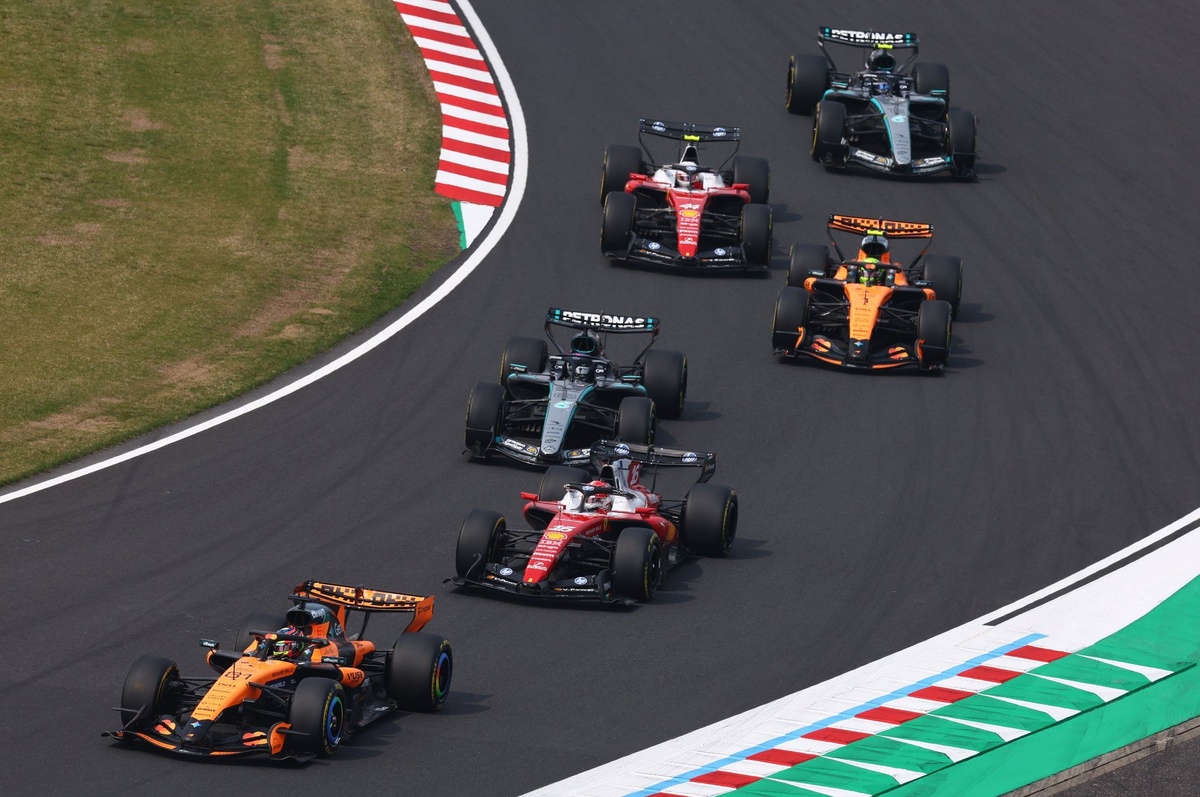
This intense mental strain isn't just theory from commentators; it's a lived reality for those behind the wheel. Racing Bulls rising star Liam Lawson openly confessed to being "mentally drained" following his outing at the Japanese Grand Prix. "It's very intense this year," Lawson told F1 TV, highlighting the "lot more that you're thinking about when you're driving."
His admission offers a direct window into the driver experience, underscoring that even the fittest athletes struggle with the mental marathon that Formula 1 has become. The sport continues to evolve, pushing the boundaries not just of engineering, but of human cognitive endurance, making every race a test of both nerve and mind.