
It's official: Formula 1 is transforming, and the drivers themselves are saying it feels like a video game. The 2026 Australian Grand Prix didn't just kick off a new season; it unveiled a radically different racing experience that has the paddock buzzing. Is this the thrilling, interactive future F1 needs?
Key Takeaways from the Grand Prix:
- The new F1 regulations introduced at the Australian Grand Prix immediately sparked comparisons to video games.
- Charles Leclerc of Ferrari famously likened his on-track duel to a round of Mario Kart.
- Drivers are highlighting the strategic impact of new overtake and boost modes.
- Early season battles, like that between Leclerc and George Russell, showcased intense, dynamic racing.
The F1 Grid: Leveling Up to a New Reality
The roar of the engines at the season-opening Australian Grand Prix wasn't just about speed; it was about revealing the true impact of Formula 1's bold new regulations. Drivers, teams, and fans witnessed a paradigm shift, one where strategic boosts and dynamic overtakes became central to the spectacle. The initial feedback? It’s like stepping into a high-octane digital arena.
This radical overhaul aims to create more competitive and engaging races, moving beyond simple speed differentials. The early signs suggest a dramatic change in on-track dynamics, potentially ushering in an era of unpredictable and thrilling contests.
Leclerc's 'Mario Kart' Moment
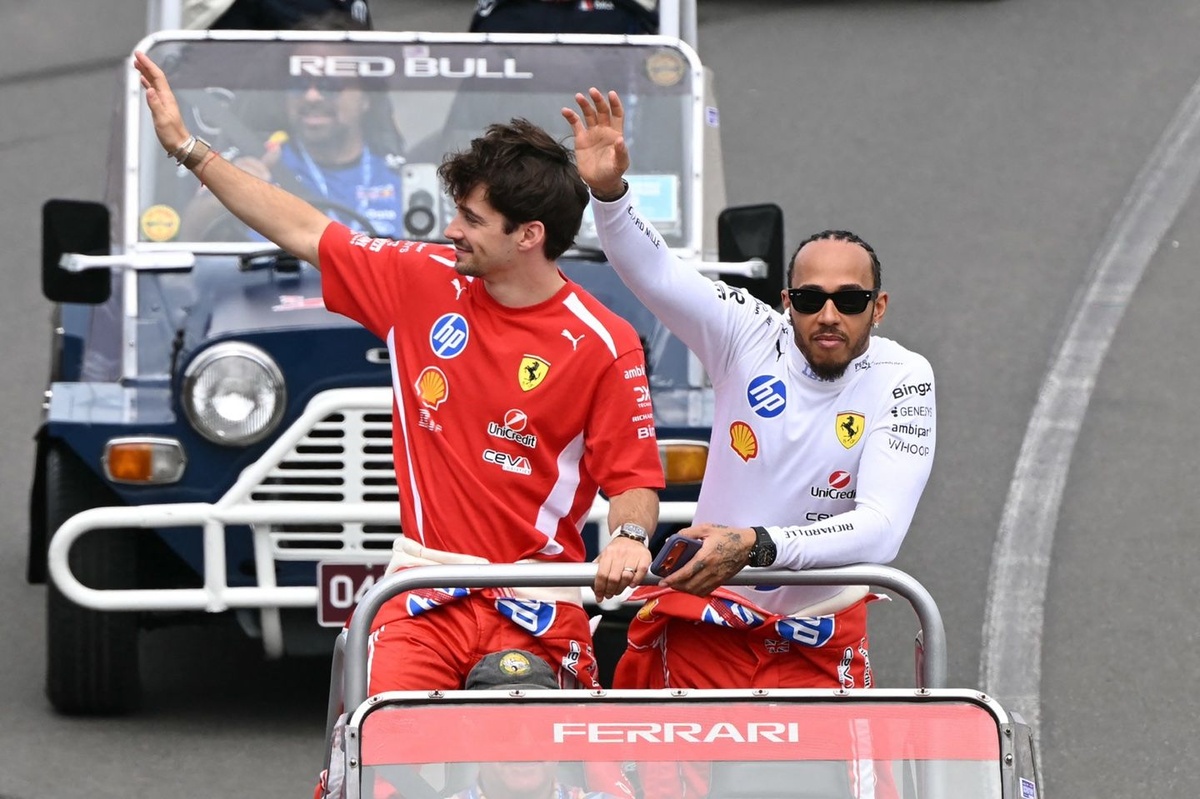
The standout quote came from Ferrari star Charles Leclerc. During an electrifying early battle with Mercedes' George Russell, Leclerc radioed his team with a memorable quip. As positions swapped and momentum shifted, he exclaimed, "This is like the mushroom in Mario Kart!"
This wasn't just a casual remark; it directly referenced the newly introduced boost and overtake modes designed to inject more action into races. The intense back-and-forth between Leclerc and Russell in the opening laps perfectly encapsulated this fresh, dynamic style of racing. Leclerc, starting fourth, quickly surged past Russell and Lewis Hamilton into the lead, demonstrating the immediate impact of the new strategic tools.
More Than a Game? Drivers Weigh In
Leclerc wasn't alone in his gaming observations. Prior to the race, Cadillac driver Sergio Perez shared a knowing smile with Sky Sports F1's Martin Brundle, stating, "Let's see what happens in this video game race." His comment hinted at the anticipation and perhaps a touch of apprehension regarding the new format.
Rookie sensation Oliver Bearman also echoed the sentiment. When asked if the racing felt like a video game, the Haas driver responded, "Yeah, a little bit." He emphasized the complex thought process involved: "It was like I was in F1 and everyone else was in F2. But then, of course, you have to recharge the battery again, because otherwise you're dead into the next straight." His P7 finish, despite the car not being the "most fun to drive," underscores the mental demands of the new rules.
The Strategic Playground: Boosts, Overtakes, and Beyond
The comparison to video games, particularly Mario Kart, isn't merely anecdotal; it's a direct reflection of Formula 1's evolving technical framework. The new regulations are engineered to offer drivers temporary power advantages or strategic bypasses, much like power-ups in a game. This introduces a layer of tactical decision-making that wasn't as pronounced before.
Teams now face intricate dilemmas: when to deploy a boost, when to conserve energy, and how to maximize the new overtake modes. This strategic depth turns every lap into a potential mini-game, where timing and execution are paramount.
Is This the Future of F1 Entertainment?
For fans, this "video game" era could be a goldmine. The increased potential for dramatic overtakes and fluctuating race leads promises a more engaging, unpredictable spectacle. Gone are the days of long, processional races; welcome to a Formula 1 where every strategic decision could swing the outcome.
While the adjustments are still fresh, the initial reactions from drivers like Charles Leclerc suggest that F1 has truly pressed the reset button. The Australian Grand Prix delivered a thrilling glimpse into a future where racing brilliance might just be about who plays their cards – or rather, their boosts – best. This new chapter in Formula 1 is certainly off to an electrifying start!