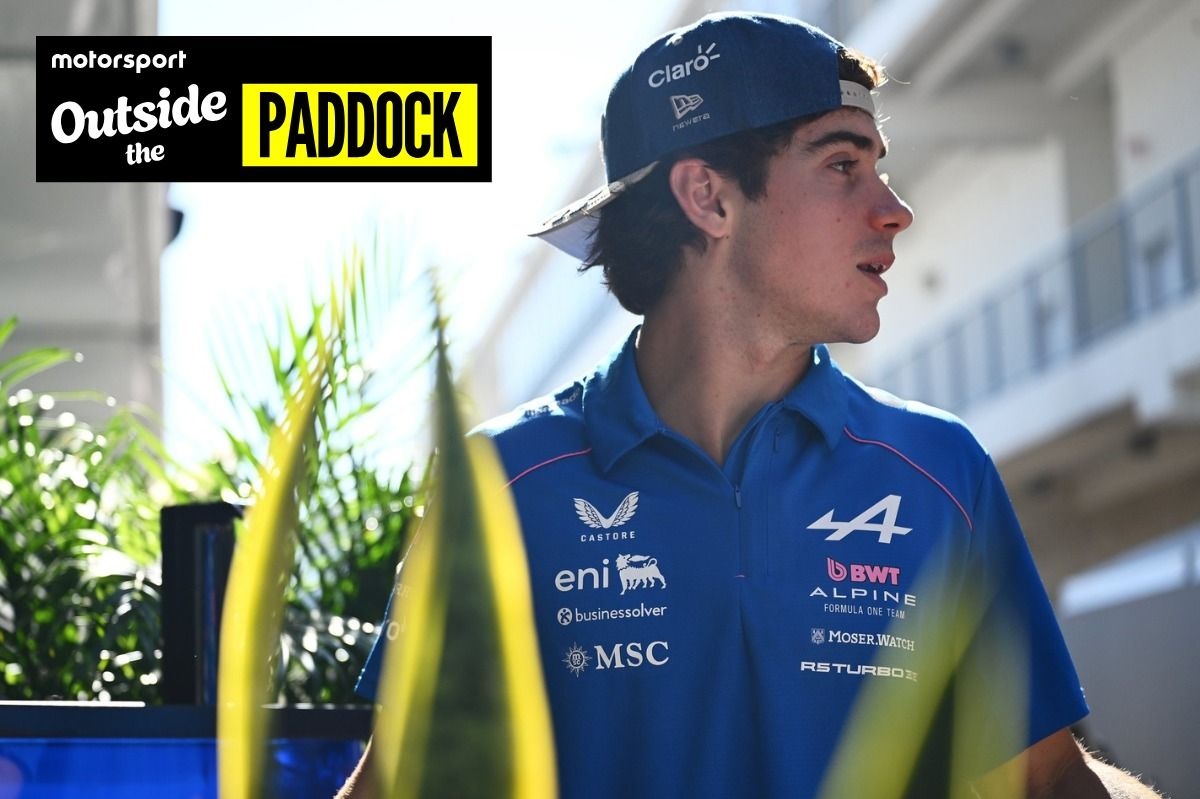

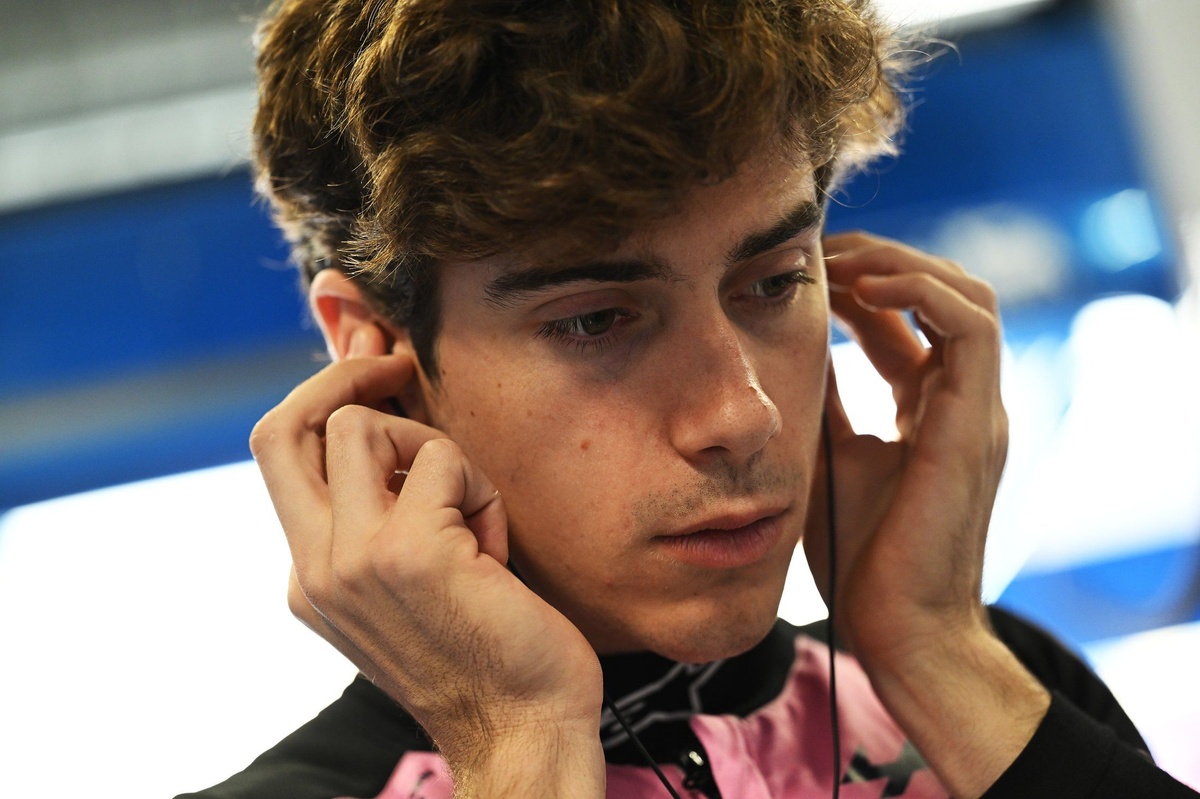

Formula 1’s explosive rise has a darker side: online abuse is spiralling out of control. Alpine driver Franco Colapinto is calling time on the toxicity, urging fans, drivers and the wider F1 community to stop treating digital abuse as just part of the sport. For Colapinto, it’s bigger than nasty comments—it’s a sign of a wider problem that everyone has a responsibility to confront.
Key Takeaways from Colapinto:
- Franco Colapinto identifies online abuse as a symptom of broader societal issues and a misunderstanding of F1's complexities.
- He urges fellow drivers to exercise greater caution and responsibility in their post-race public statements.
- Despite initiatives from the FIA and F1 to combat cyberbullying, the problem of hateful comments persists.
- While individual insults rarely sting, Colapinto (like Max Verstappen) finds abuse directed at family members deeply problematic.
The Digital Fray: Unpacking F1's Online Abuse Crisis
The roaring success of Formula 1 on social media has a bitter side effect. A surge in online abuse targeting drivers and team personnel has cast a shadow over the sport's burgeoning popularity. It's a challenging landscape where fan passion often morphs into venomous attacks.
Organizations like the FIA and F1 are actively battling this through initiatives such as "United Against Online Abuse" and implementing AI tools to filter hateful comments on their platforms. Yet, many within the paddock still face a daily barrage of negativity.
Beyond the Track: A Societal Reflection
Colapinto offers a stark perspective, suggesting that this online vitriol isn't solely about racing incidents. He believes it's partly due to fans not fully grasping the intricate realities of the sport, but more profoundly, it's a mirror reflecting contemporary society's harshness. "It's how society is nowadays," Colapinto stated in an exclusive interview, stressing that athletes must collectively "speak a bit louder and put a limit on" this destructive trend.
Drivers, Fans, and the Weight of Words
The Alpine driver implores fans to grasp the profound impact their words can have. Many online abusers likely don't comprehend the emotional toll their messages inflict, assuming drivers never read them. However, the reality is stark: many athletes are now deleting social media accounts to escape the relentless negativity.
Accountability in the Paddock
Colapinto isn't just pointing fingers at fans; he believes drivers themselves must show more restraint. He suggests that post-race interviews can sometimes inadvertently fan the flames of online toxicity, making situations worse by speaking without fully considering the consequences.
He cites an incident involving Oliver Bearman after a Japanese GP crash. Bearman publicly discussed Colapinto's role, an act Colapinto felt should have been handled privately. "It's those kinds of things that we can fix in a different way... by not going public," he explained. This highlights a need for more direct, behind-the-scenes communication among competitors.
The Personal Cost: When Abuse Hits Home
While Franco Colapinto claims individual hateful messages rarely affect him directly, the impact shifts dramatically when his loved ones are targeted. This concern is echoed by reigning champion Max Verstappen, who has also spoken out about family members facing online harassment. For many athletes, this crosses an undeniable line.
The Unseen Grind: Mental Fortitude in F1
Beyond the online battles, Colapinto sheds light on the immense, often unseen, pressures of being an F1 driver. It's a world vastly different from junior categories, where politics, public scrutiny, and constant obligations demand a unique mental resilience that goes far beyond driving skill.
"It's much more political in F1, and no one really tells you that," the 23-year-old Argentine revealed. He describes the mental intensity of an F1 weekend as "shocking," noting that only about 10% of a driver's time is actually spent behind the wheel. The rest is navigating a complex ecosystem of media, sponsors, and team dynamics.
Consistently delivering top-tier performance week after week, amidst changing emotions and external pressures, is the true test. Colapinto believes his biggest stride this year has been mastering this mental consistency, learning to conserve energy and focus amidst the whirlwind. He's found a rhythm that allows him to arrive energized, not exhausted, at the track.