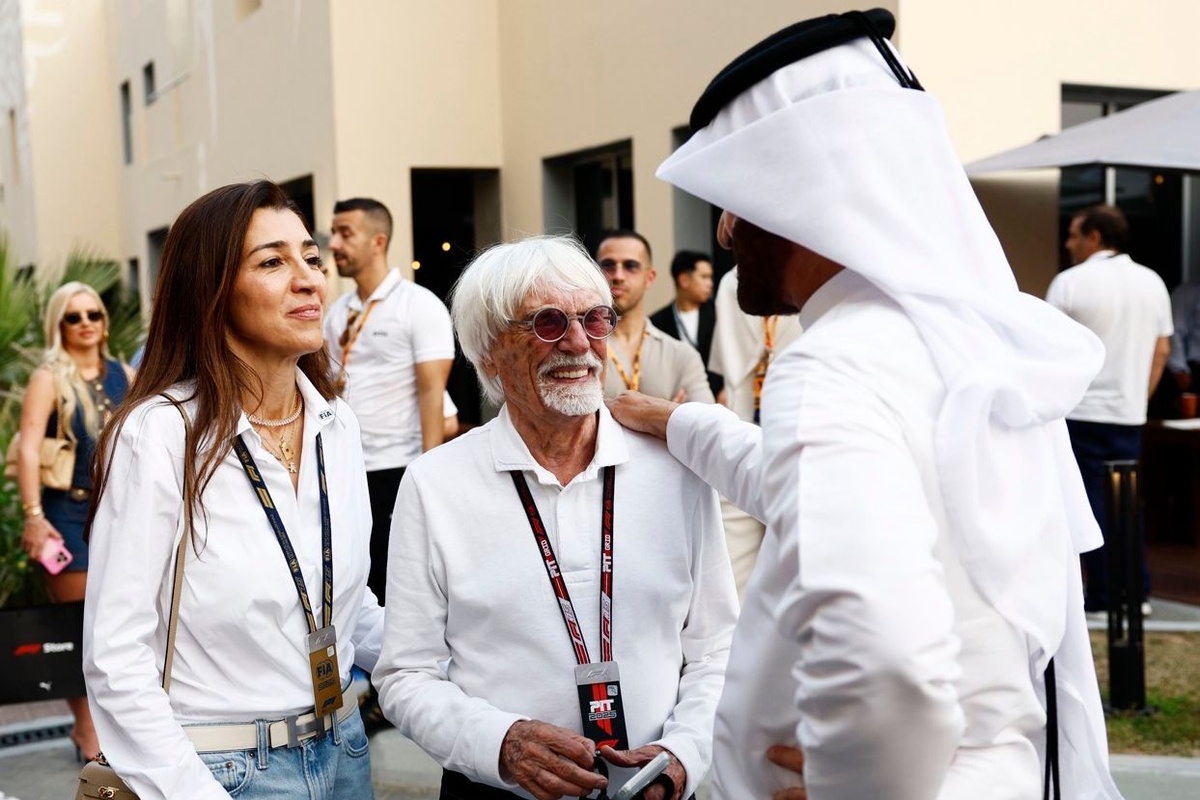

The roar of a true Formula 1 engine – a sound many fans crave and a performance benchmark many drivers miss – could be making a triumphant return! A seismic shift is brewing in the heart of F1, with legendary Bernie Ecclestone throwing his formidable weight behind calls for a return to bigger, louder, and frankly, more spectacular power units.
Key Points for F1's Engine Future
- Bernie Ecclestone strongly supports a move back to larger, higher-cylinder engines (V8, V10, or V12).
- FIA President Mohammed Ben Sulayem and F1 CEO Stefano Domenicali are actively pushing for this change for the next rules cycle.
- The adoption of sustainable fuels and evolving automotive industry trends make a V8 comeback feasible and appealing.
- Simpler hybrid systems aim to reduce costs and address driver concerns, championed by Max Verstappen.
A Call for Raw Power and Purer Racing
The whispers of V8 engines returning to Formula 1 have ignited a firestorm of excitement. This isn't just nostalgia; it's a strategic move supported by key figures who believe the sport needs to reconnect with its visceral roots. Ecclestone, the sport's former supremo, explicitly stated that a three-liter engine, regardless of its V-configuration, is "the right thing to do."
This sentiment echoes throughout the paddock, reaching the very top. FIA President Mohammed Ben Sulayem and F1 CEO Stefano Domenicali are driving this initiative, aiming for the next engine regulations cycle, currently slated for 2031. There's even talk of accelerating the timeline if manufacturers align.
Why Now? The Perfect Storm for Engine Evolution
The landscape for Formula 1 power units has dramatically shifted. The breakthrough in sustainable fuels has liberated the sport from the sole focus on electrification, opening doors for potent internal combustion engines. This coincides with a more nuanced industry stance on Electric Vehicles (EVs), making a return to high-revving engines with simpler hybrid components a truly viable and attractive proposition.
Beyond the engineering, a simpler power unit system promises a significant cost reduction. This financial benefit could entice more manufacturers to enter the fray, boosting competition and innovation.
Verstappen's Vision: Drivers Demand More
World Champion Max Verstappen has been a vocal and consistent critic of the current, overly complex power unit regulations. His frustration with the heavy emphasis on energy management over pure driving prowess is well-documented. Ecclestone fully backs Verstappen's stance, acknowledging the regulations "weren't necessary to do what has been done."
Verstappen has even hinted his long-term F1 future hinges on the cars becoming more engaging and less about intricate energy balancing acts. While smaller tweaks are already in motion for 2025, increasing the combustion-to-electric ratio to 58/42, a fundamental engine overhaul is what drivers truly crave for an unadulterated racing experience.
Manufacturer Buy-in: An "Obvious" Choice?
Despite potential resistance from current manufacturers invested in the existing complex hybrid architecture, Ecclestone believes their support will ultimately materialize. He suggests that once free from the confines of their existing investments, manufacturers will recognize the undeniable benefits of a simpler, more fan-friendly engine formula.
The vision is clear: a louder, faster, and more thrilling Formula 1 that captivates audiences worldwide. The push for a V8 (or similar) resurgence isn't just about sound; it's about the very soul of the sport.