

The Sepang Stutter: When F1 Lost Power
Imagine the tension of a wet F1 race start, only for cars to suddenly lose throttle input during the formation laps. That's precisely what unfolded at the Sepang International Circuit, turning anticipation into a bewildering 50-minute delay. A widespread software bug, triggered by complex factors during the first wet-weather race for this generation of power units, crippled multiple machines.
The FIA engineers scrambled, coding a crucial hotfix on the fly and transmitting it to all teams for immediate installation. This swift action eventually allowed the race to commence, but not without a significant blemish on the sport's high-tech facade.
Stella's Stance: Acceptance with a Demand
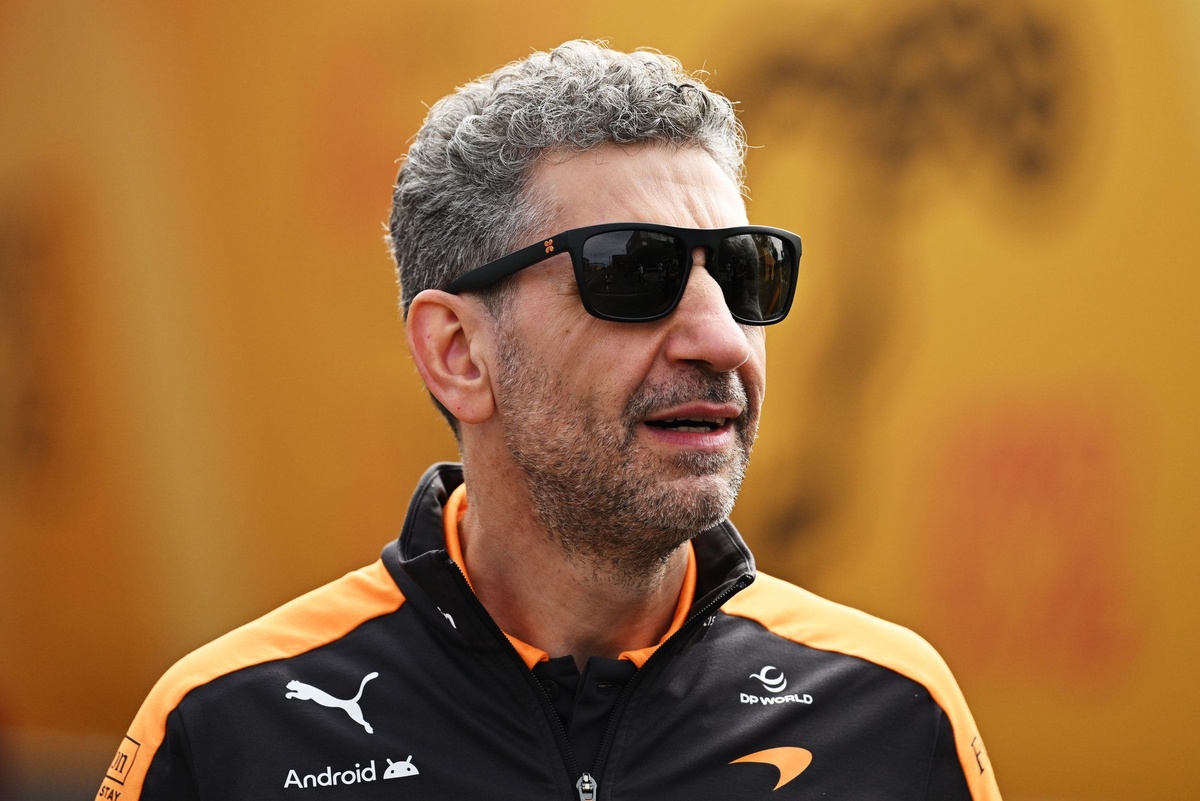
McLaren F1 chief Andrea Stella, whose own drivers were among those affected, voiced a nuanced perspective on the incident. He acknowledged the incredible work done by F1 in crafting the new regulations, which, despite occasional power unit quirks, have significantly improved the on-track spectacle.
"If there's some glitches occasionally, then we have to accept that there's glitches for everyone," Stella stated, showing a degree of understanding for the inherent complexities of modern Formula 1. However, this acceptance came with a firm caveat: the sport must learn from the Sepang drama and actively prevent such major disruptions from recurring.
A Common Challenge, Not an Anomaly?
Stella offered a broader context, pointing out that even individual teams wrestle with numerous technical challenges every race weekend. He suggested that when dealing with this level of technological novelty, some aspects will naturally require "tuning" and refinement.
His perspective implies that while the Sepang glitch was widespread and public, the underlying struggle with cutting-edge technology is a constant for everyone in the paddock. The goal, therefore, isn't zero issues, but ensuring critical systems don't compromise the integrity of the race.
FIA's Response: Learning from the Glitch
Addressing the media after the race, FIA single-seater director Nikolas Tombazis confirmed the severity of the problem. He delivered a clear assurance: "This specific problem, yes," will not happen again. The governing body has identified the root cause and implemented measures to prevent its recurrence.
However, Tombazis also introduced a dose of reality. While he could guarantee prevention for that specific issue, he candidly admitted, "A problem, no," when asked if future glitches could be entirely avoided. The commitment, however, remains to do their "best to avoid it, of course." This highlights the ongoing tightrope walk between innovation and reliability that defines F1.
The Road Ahead: Balancing Innovation and Reliability
The Sepang software saga serves as a potent reminder of the intricate dance between pioneering technology and dependable performance in Formula 1. While the sport thrives on pushing boundaries, the fundamental objective remains a thrilling, uninterrupted spectacle for fans worldwide. The FIA and teams like McLaren are now tasked with ensuring that technological advancements enhance, rather than hinder, the racing drama.