
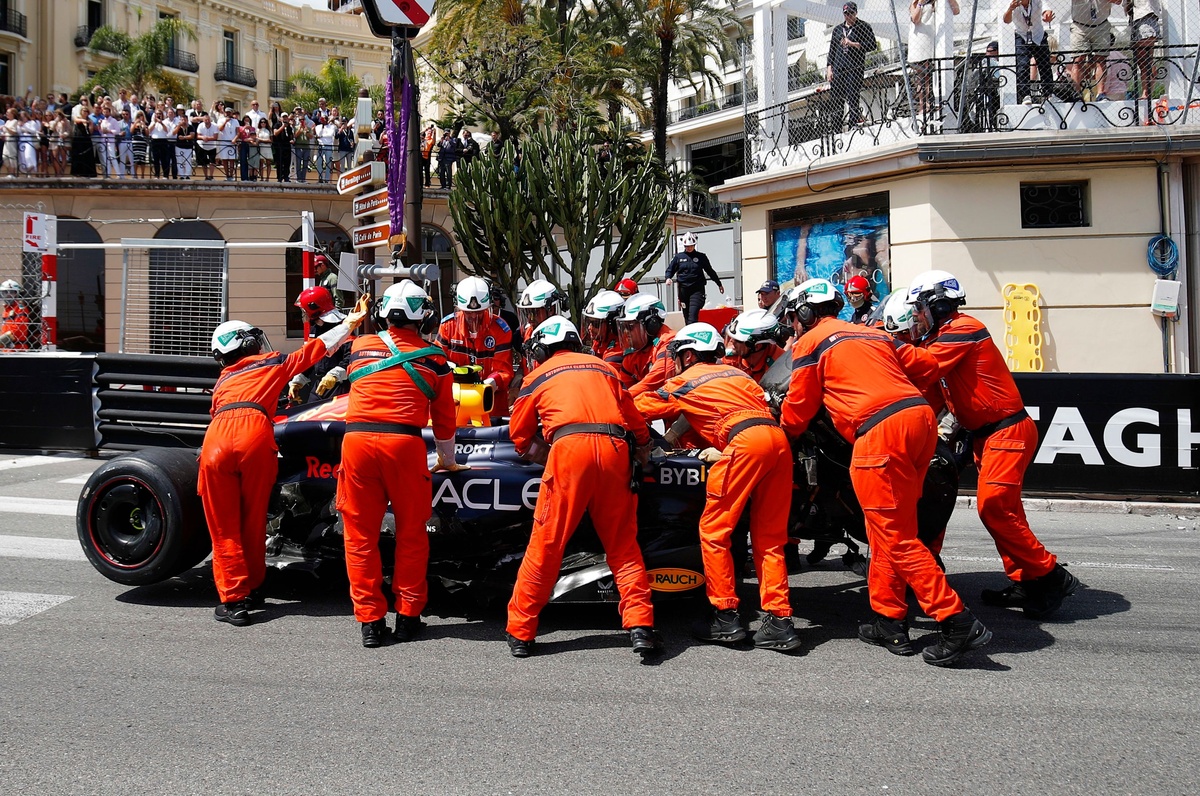

Behind every breathtaking overtake and dramatic safety car restart in Formula 1 lies an astonishing, often unseen, army of dedicated individuals: the F1 volunteers. A recent comprehensive study commissioned by the FIA has thrown a spotlight on the sheer scale of human commitment required, revealing that over 20,000 volunteers are absolutely crucial to safely and smoothly run the sport's global calendar. These unsung heroes, predominantly marshals, are the very backbone of motorsport, ensuring safety and integrity at every Grand Prix weekend.
Key Takeaways from the FIA Volunteer Study:
- Over 20,000 volunteers are essential annually for Formula 1's 24 grands prix.
- Each Grand Prix weekend demands an average of 838 dedicated individuals on site.
- Volunteers collectively pour nearly 1 million hours into the season, often taking personal leave.
- The FIA is actively investing in training and professional development to bolster this vital workforce.
The Invisible Force Powering Formula 1
Formula 1 is a spectacle of speed, precision, and immense financial investment. Yet, at its very core, it's a global sport uniquely reliant on its volunteer base. From grassroots events to the pinnacle of motor racing, these passionate individuals ensure everything runs without a hitch, often operating at the front lines of safety.
The FIA University undertook this critical report to quantify the demands on this essential corps. Their findings underscore an unparalleled level of dedication, highlighting a workforce whose contributions are immeasurable. The sheer logistics of operating 24 grands prix worldwide would simply grind to a halt without them.
Crunching the Numbers: A Staggering Commitment
The FIA study paints a clear picture: an average of 838 volunteers are deployed at each F1 Grand Prix. This translates to a staggering 20,112-strong workforce across a single season. These committed individuals aren't just showing up for a few hours; they dedicate an average of 48 hours per race weekend.
This adds up to an incredible 965,376 hours volunteered annually. What's even more revealing is that two-thirds of these volunteers sacrifice their annual leave or take unpaid holidays to be trackside. This personal cost, coupled with an estimated €11.1 million in annual training and recruitment expenses, highlights the immense value these individuals bring – a labor value estimated at €13.2 million.
Securing the Future: FIA's Bold Strategy
Recognizing the escalating workload and the indispensable nature of its volunteer base, the FIA is making significant moves. There's a clear drive to expand the worldwide pool of volunteers and enhance their support systems. A major focus is on professionalizing key roles like race control and stewarding, aiming for greater consistency in decision-making across all events.
The recent Concorde Governance Agreement, signed last season, is pivotal. It funnels more resources to the governing body specifically for improving officiating standards. This financial backing is crucial for implementing the report's recommendations, including appointing a welfare officer and investing in systematic volunteer management.
Professionalizing the Paddock & Beyond
The FIA has already begun implementing its vision for a stronger volunteer ecosystem. A new officials department aims to centralize and standardize training globally, ensuring consistent high standards across all member clubs and events. This unified approach is vital for maintaining the integrity and safety that define motorsport.
Furthermore, a dedicated high-performance programme is identifying and nurturing the next generation of top-tier officials. This initiative provides a clear pathway for talented individuals to advance, with the first class of six stewards already graduating to FIA-sanctioned championships. Three new race directors from the program are set to be deployed by 2026.
From Marshal to Race Director: A Clear Pathway
The FIA is also championing a new Centre of Excellence. This dedicated training facility will further boost the quality and quantity of skilled officials, creating a sustainable pipeline for future events. This structured career progression is exemplified by figures like F1 Race Director Rui Marques, who began his journey as a marshal at Estoril at just 18 years old.
Marques speaks passionately about the "family" spirit among volunteers, driven by a shared love for the sport. This camaraderie, combined with the comprehensive training and growth opportunities, is why most volunteers commit for at least five years, despite the personal sacrifices.
The Heartbeat of the Track: Why They Stay
The surge in Formula 1's mainstream popularity, largely attributed to Netflix's Drive to Survive, has had a positive ripple effect on volunteer recruitment. Rui Marques notes a welcome trend: the marshalling corps is becoming notably younger, bringing fresh energy and perspectives to the track. While respecting the invaluable experience of long-serving veterans, this influx of new talent is crucial for the sport's long-term health.
The passion for motorsport truly binds this extraordinary community. From flag waving at corners to managing complex race control decisions, these volunteers are the engine room of F1. Their continued dedication ensures the show goes on, weekend after weekend, for millions of fans worldwide.
.png)