
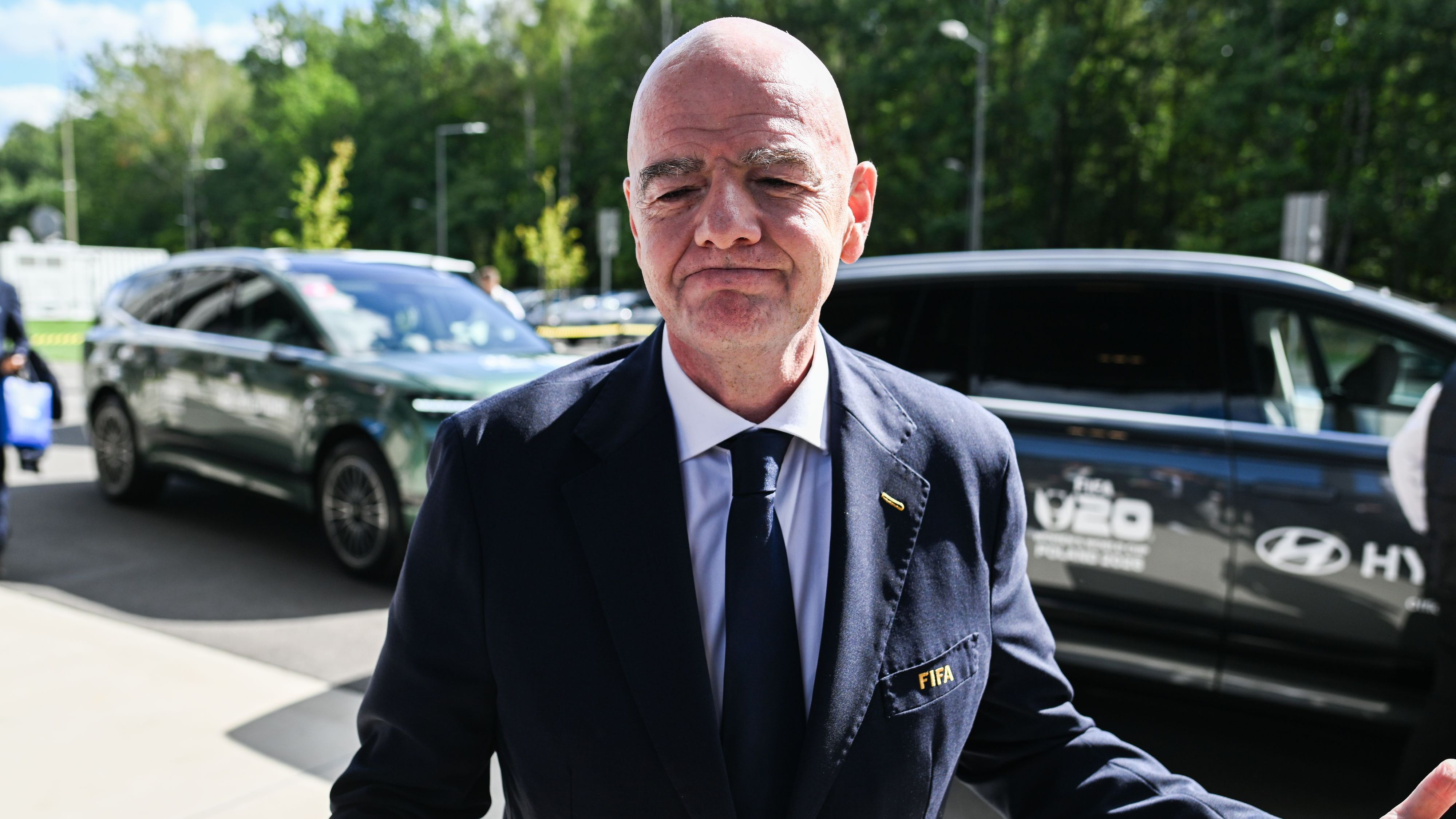

The global game is in an uproar, with England's Football Association (FA) tearing into FIFA leadership. Chair Debbie Hewitt has fired a direct challenge at President Gianni Infantino, demanding full disclosure of critical documents ahead of the upcoming FIFA Council meeting on October 15. This isn't just about paperwork; it’s about a fundamental crisis of trust and transparency at the very top of world football.
Key Demands & Controversies Rocking FIFA
- FA Chair Debbie Hewitt demands full transparency from Gianni Infantino on governance failures.
- The failed FIFA Forward Enterprise (FFE) commercial plan remains a source of deep suspicion.
- Folarin Balogun's World Cup ban mysteriously overturned, with potential political interference.
- Legal challenges and accusations of deception now plague FIFA's leadership.
The FA's Gauntlet: A Call for Accountability
Debbie Hewitt's letter, also sent to Secretary General Mattias Grafstrom, paints a damning picture. She explicitly outlines "failures in governance" and a "fundamental breakdown in culture" within the sport's global governing body. This unprecedented direct challenge from the FA signals a clear shift: patience with FIFA's opaqueness has worn thin.
World Cup Rights: The Shadow of the FFE
At the heart of much of the controversy lies the now-defunct FIFA Forward Enterprise (FFE) proposal. This ambitious, some would say audacious, plan aimed to revolutionize how FIFA manages its most lucrative assets. The idea? Create a new company to handle commercial and ticketing rights for major tournaments, including the crown jewel, the World Cup. A staggering 21% stake was slated for sale to a private investment firm. While the plan was aborted, the questions surrounding its inception and the potential implications for football's financial future remain front and center.
The Balogun Mystery: Politics or Justice?
Beyond the commercial battleground, the FA is also aggressively pursuing answers regarding a truly baffling incident: the overturning of United States forward Folarin Balogun's World Cup suspension. After receiving a straight red card for a foul against Bosnia-Herzegovina, Balogun was expected to serve an automatic one-match ban. Yet, he miraculously appeared in the subsequent Round of 16 clash against Belgium, his ban mysteriously rescinded.
This incredible U-turn sparked outrage and suspicion, particularly after then-US President Donald Trump publicly admitted to personally phoning Infantino to lobby for a review. FIFA's vague explanation, citing a clause allowing suspensions to be "put on hold," did little to quell the storm. National associations, including the FA, demand real answers, fearing political interference in sporting justice.
Legal Firestorm and Fractured Trust
The fallout from the FFE saga has spiraled into significant legal action. UEFA, European football's governing body, has launched criminal proceedings against Infantino across three US courts, demanding full disclosure of all related documents. This aggressive move follows a joint open letter from UEFA, CONCACAF, and the Asian Football Confederation, which accused FIFA and its president of a "breach of trust driven by deception."
FIFA has countered forcefully, dismissing the allegations as a "smear campaign" orchestrated by UEFA. Despite this defensive stance, the pressure on Infantino is intensifying. Key associations, including the English, Welsh, and Scottish FAs, have formally withdrawn their backing for his re-election campaign, signaling a deeply fractured relationship.
Infantino's Battle for the Throne
As the March deadline for his re-election campaign looms, Gianni Infantino faces his toughest challenge yet. While support among European and North American confederations is bleeding, the 56-year-old retains formidable backing from the African, South American, and Oceanian confederations. With potential challengers having until November 18 to declare, the stage is set for a dramatic power struggle that will undoubtedly shape the future of global football.