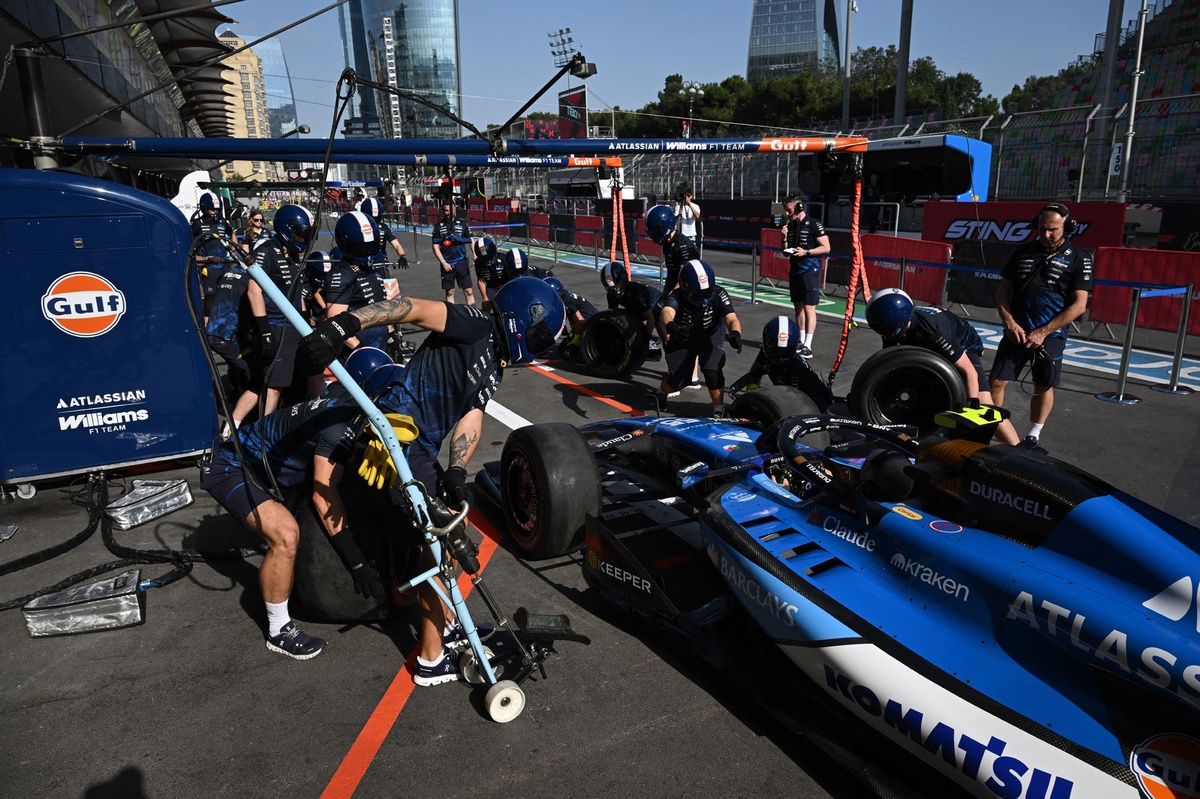

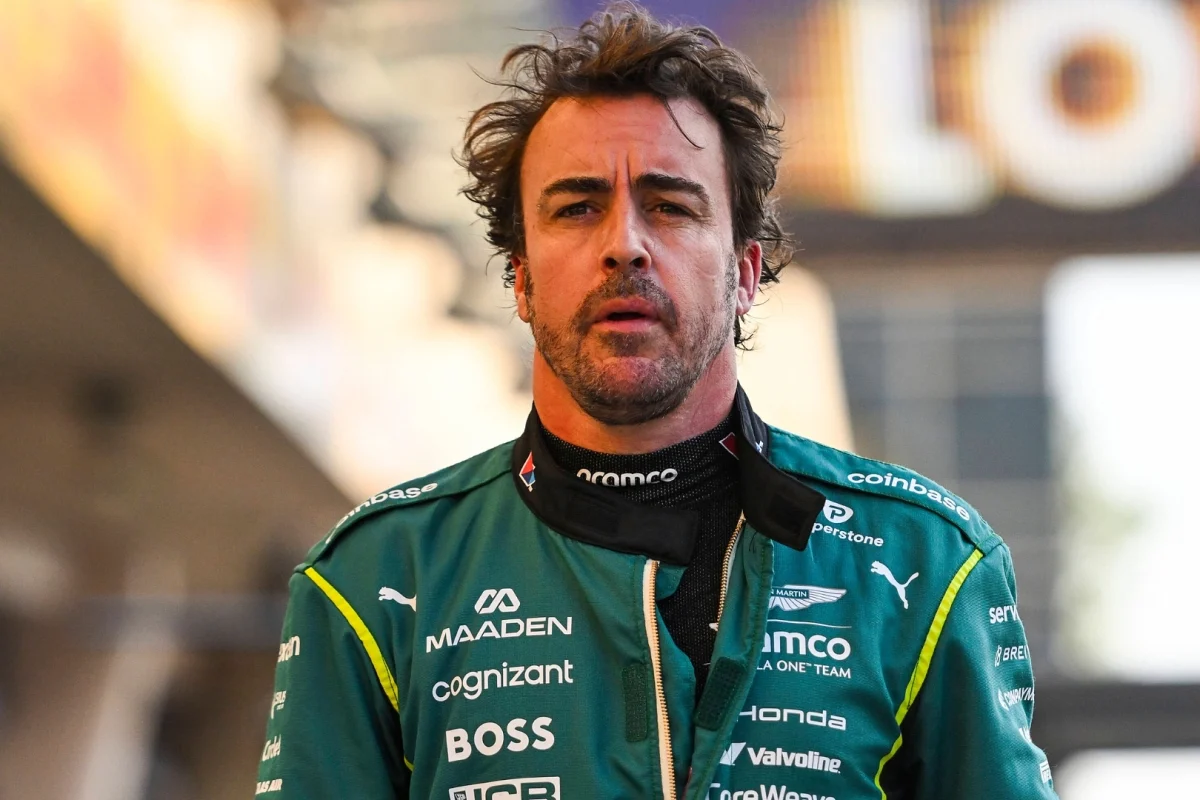

Two-time Formula 1 world champion Fernando Alonso believes the sport has lost much of its traditional racing character over the past decade, claiming modern overtaking has become too calculated and less dependent on pure driver skill.
The Aston Martin Aramco Formula One Team driver shared his concerns while reflecting on how Formula 1 racing has evolved in recent years, particularly with the growing influence of aerodynamics, tyre management, and DRS-assisted passing.
According to Alonso, many overtakes today are no longer the result of direct wheel-to-wheel battles. Instead, drivers often focus on positioning themselves strategically to avoid losing time or damaging tyres, creating what he described as a less natural style of racing.

Source: Crash.net
The Spaniard argued that Formula 1 has gradually moved away from the aggressive, instinctive racing that once defined the championship. He suggested the sport has spent nearly a decade prioritizing systems and race management over spontaneous on-track action.
Alonso also pointed to the impact of modern aerodynamics, which continue to make it difficult for cars to follow closely through corners. Although DRS was introduced to improve overtaking opportunities, critics have long debated whether it creates passes that feel too artificial compared to traditional racing battles.
His comments arrive during an important period for Formula 1, with the FIA and teams already discussing future regulation changes aimed at improving racing quality for the 2027 era.
Several drivers, including reigning champion Max Verstappen, have also recently expressed concerns about the direction of Formula 1’s technical development and the increasing complexity of modern cars.
Despite the criticism, Alonso acknowledged that Formula 1 continues to evolve and that safety, technology, and sustainability remain major priorities for the championship. However, he stressed that preserving exciting racing should remain at the center of future decisions.
At 44 years old, Alonso remains one of the sport’s most experienced voices, having competed across multiple generations of Formula 1 machinery. His perspective carries added weight as the championship evaluates how to balance innovation with the raw racing spectacle that originally made Formula 1 globally popular.
.jpg)