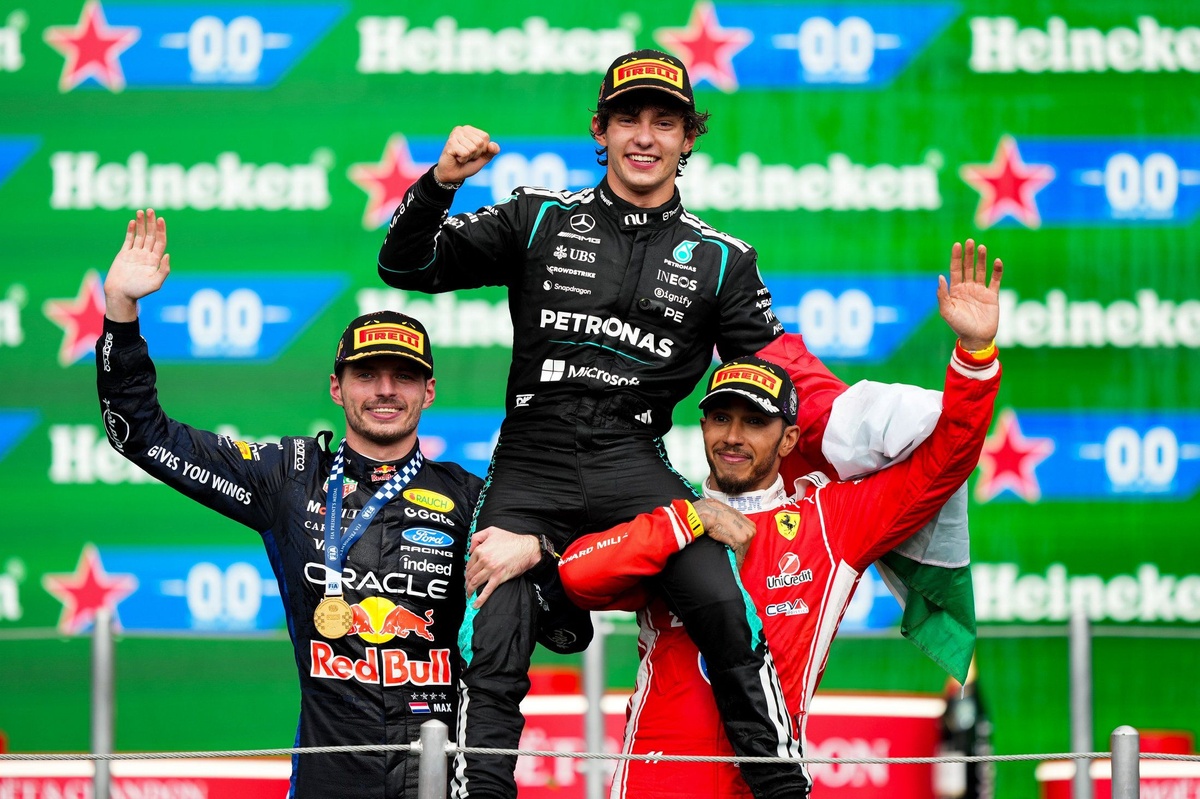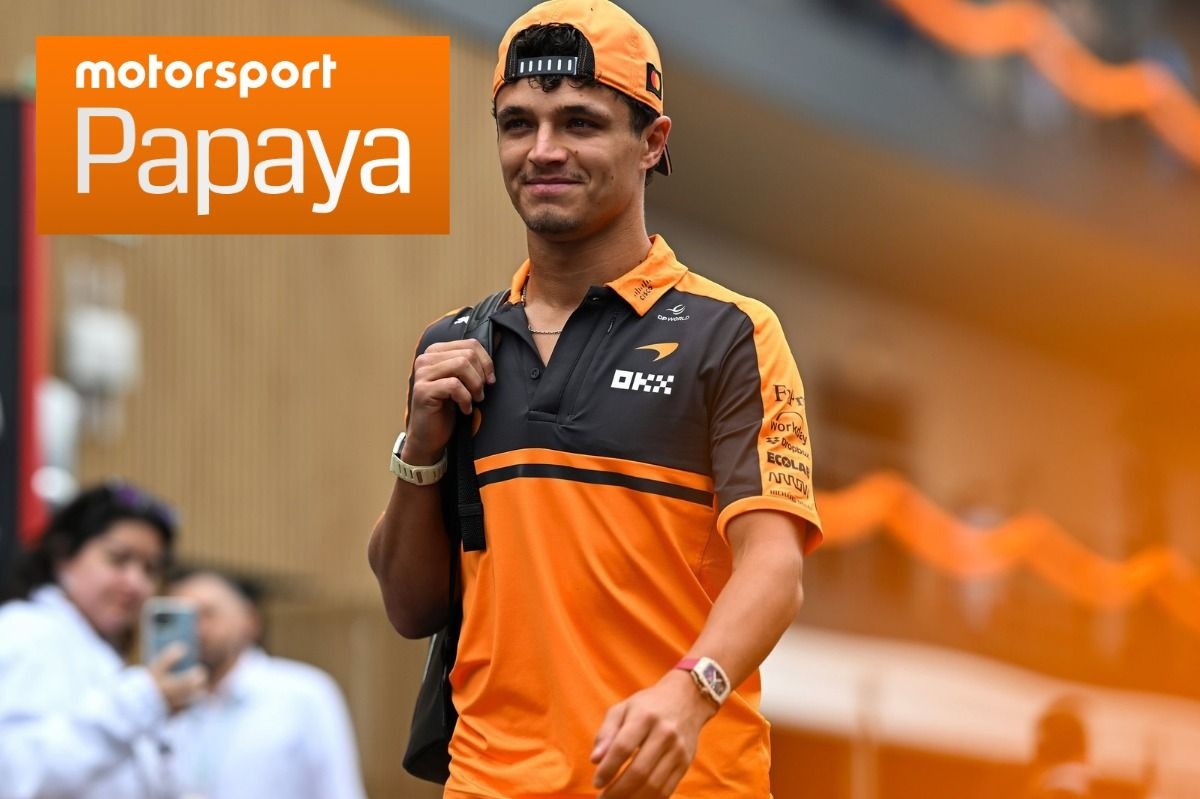



It was a weekend that left Frederic Vasseur in stitches – but not in a good way. The Ferrari Team Principal burst into exasperated laughter during his post-Mexican Grand Prix media briefing, overwhelmed by questions about the simmering tension between his star drivers, Lewis Hamilton and Charles Leclerc. What unfolded on track was far from amusing, sparking a major internal crisis that will define Vasseur's tenure. The Ferrari driver clash has ignited a powder keg, and the fallout could reshape the Scuderia.
Key Points: The Mexican Meltdown
- A first-lap clash between Lewis Hamilton and Charles Leclerc at the Mexican Grand Prix sent shockwaves through Ferrari.
- F1 pundits largely place the blame for the incident on Charles Leclerc's shoulders.
- Ferrari Team Principal Frederic Vasseur faces immense pressure to resolve the escalating driver rivalry.
- The incident at Mexico City could either galvanize Ferrari or tear the team apart.
The Fiery First Lap: A Ferrari Fiasco
The Mexican Grand Prix began with immediate drama for Ferrari. On the opening lap, Charles Leclerc and Lewis Hamilton collided, an incident that could have been a spectacular double DNF. While both drivers continued, the damage was done – both to the cars and the team's harmony. Leclerc received a five-second penalty, a relatively light punishment given the circumstances.
Hamilton's fury was palpable. He radioed that there would be "big, big problems" and stormed into the garage post-race, helmet still on, a picture of simmering rage. This wasn't just a racing incident; it was a declaration of war within the Scuderia.
Pundit Verdicts: Who Was at Fault?
The F1 world was quick to weigh in, with most fingers pointing squarely at Charles Leclerc. SkyPad analyst Karun Chandhok stated the evidence was "unequivocal": Leclerc likely never even attempted the braking point for Turn 4.
Ralf Schumacher on Sky Germany echoed this, suggesting Leclerc was carrying "a bit of frustration" after a dominant weekend that saw him out-qualified. Alexander Wurz on ORF was blunt: "Hamilton doesn't have to leave any room. I don't see much of a case for Leclerc here." Even former FIA race director Niels Wittich felt the five-second penalty was too lenient, advocating for ten seconds with "no mitigating circumstances."
Vasseur's Unenviable Position: A Crisis of Command
For Frederic Vasseur, the aftermath of the Mexican Grand Prix was a nightmare. His attempt to "draw a line under the subject" during media briefings was met with more probing questions, highlighting the depth of the crisis. He joked, "Guys, I have enough to do with my two drivers! Don't ask me about Hirakawa, Camara, Ocon's fight," revealing the immense pressure he's under.
This is more than a mere disagreement; it's a test of Vasseur's leadership. Can he rein in two alpha drivers vying for supremacy within Ferrari?
Hamilton's Subtle Daggers: A Call for Action?
While Lewis Hamilton maintained a remarkable composure for the cameras, his subtle remarks spoke volumes. He complimented Mercedes' management of driver situations and pointedly noted, "I don't really know what will be done, because up until now, nothing really has been done." These aren't just observations; they are subtle, yet pointed, challenges to Ferrari's hierarchy to assert control.
The Radio Silence: Ferrari's Communication Breakdown
Beyond the on-track aggression, a concerning communication lapse from Ferrari management emerged. After the incident, a confused Charles Leclerc asked, "Got pushed off the track. What do I do now?", seeking guidance on returning the position. The response? Silence.
It took until the first lap was completed for his engineer to reply, "No action yet. Keep pushing." This inaction directly contradicted a pre-race FIA warning about immediately rectifying such situations. This raises uncomfortable questions about Ferrari's preparedness and in-race strategy.
Fork in the Road: Ferrari's Future Under Vasseur
The current dynamic between Hamilton and Leclerc is a battle for the heart of Ferrari. Frederic Vasseur stands at a crossroads. He can either defuse the tension, establish clear rules of engagement, and potentially forge a stronger, more disciplined team. This would require Leclerc to show contrition and Hamilton's ego to heal.
However, the alternative is grim. If Hamilton's anger escalates, if Leclerc refuses to admit fault, and if Vasseur fails to reconcile his superstars, the emotional volatility could lead to a catastrophic internal explosion. No amount of pre-race agreement can stand against raw emotion, as one journalist aptly put it.
Lessons from Mercedes: Wolff's Wisdom?
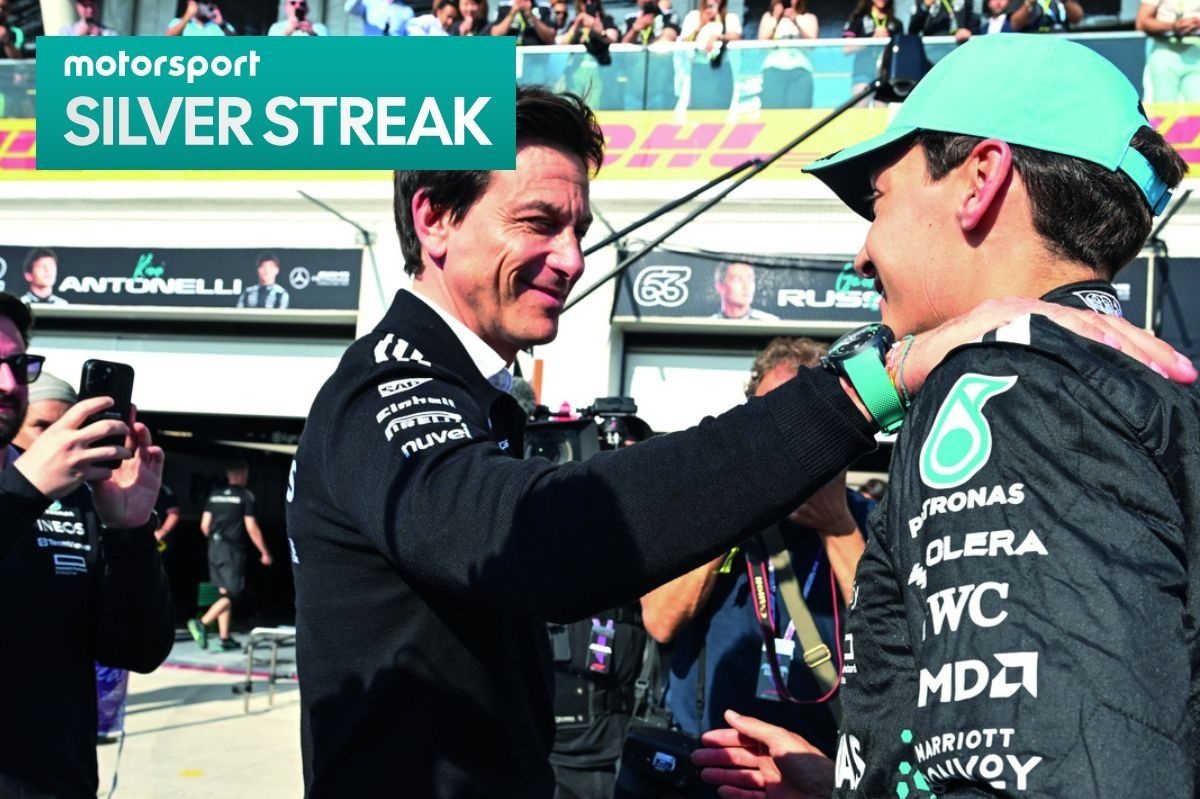
Intriguingly, Mercedes Team Principal Toto Wolff was seen visiting Vasseur on the Ferrari pit wall during the red flag period. Wolff knows better than anyone the destructive power of a toxic intra-team rivalry, having navigated the turbulent Hamilton-Rosberg years. Was he offering a friendly warning, or perhaps a masterclass in managing a champion's wrath?
Vasseur emphasizes the team's collective goal: "They are not working for themselves. They are working for a group... for the 2,000 people of the company." From Ferrari's perspective, less confrontation is always better.
The Fan's Perspective: Is Conflict Good for F1?
But from a fan's standpoint, this white-hot rivalry is exhilarating. It injects a thrilling, unpredictable element into a sport often dominated by single-team supremacy. The passionate arguments, the tactical chess matches, the raw human emotion – isn't this what makes F1 so utterly captivating? For now, Frederic Vasseur faces sleepless nights, but for the fans, this Ferrari drama is pure gold.