Ferrari just dropped a thunderclap on the competition at the F1 Hungarian Grand Prix practice day, leaving rivals scrambling and fans buzzing! Despite pre-weekend modesty from their drivers, the Scuderia proved their SF-26 is a beast on the twists and turns of the Hungaroring, setting a formidable pace that immediately puts them in pole position for a sensational weekend.
Key Takeaways from Hungarian GP Practice:
- Ferrari demonstrated outright speed, clinching a dominant 1-2 in FP2 with Lewis Hamilton leading Charles Leclerc.
- The SF-26 showcased its renowned strength in slower corners, perfectly suiting the technical Hungaroring layout.
- Mercedes faced significant struggles, with both drivers reporting alarming balance issues and a critical lack of grip.
- The partially resurfaced Hungaroring proved a challenging, bumpy circuit, exacerbating car setup difficulties for many teams.
The Prancing Horse Unleashed: Ferrari's Early Dominance
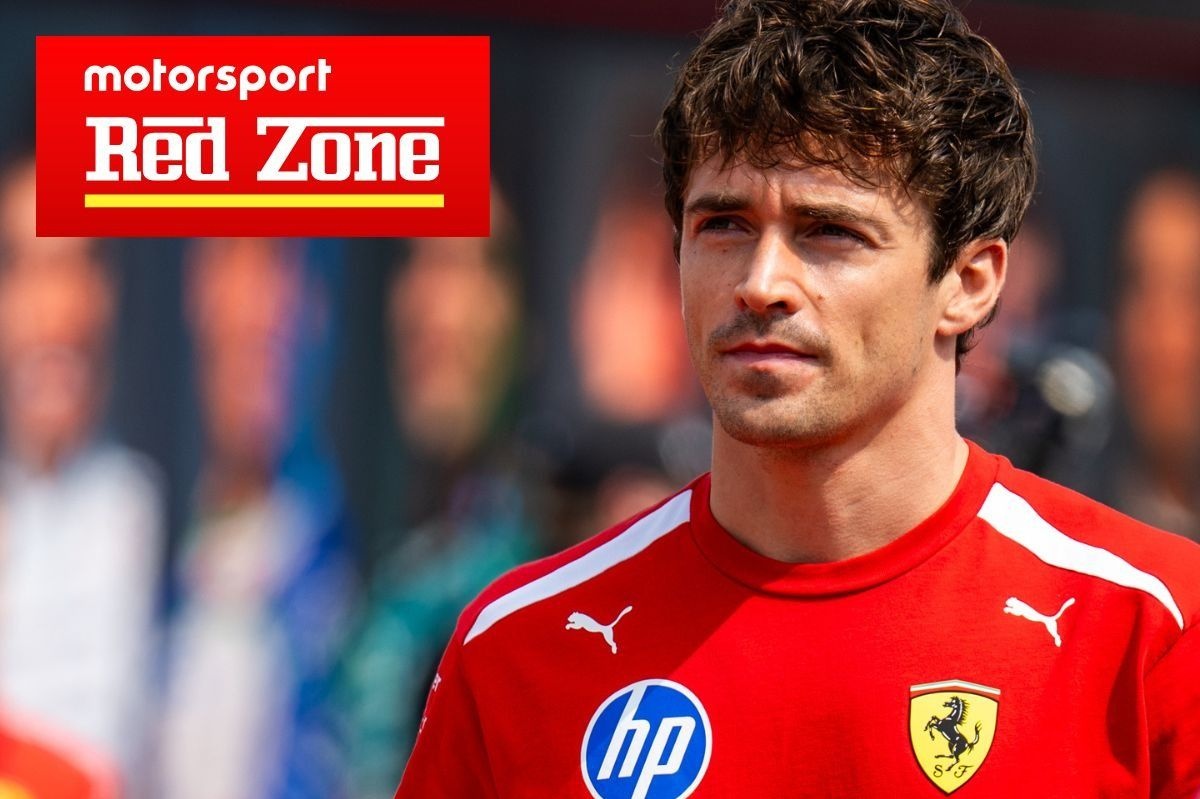
Friday's action at the Hungaroring saw Ferrari not just meet, but shatter expectations. Charles Leclerc kicked off the day by topping the timesheets in FP1, hinting at the performance to come. It was in FP2, however, where the Maranello squad truly flexed its muscles, with seven-time world champion Lewis Hamilton leading a commanding Ferrari 1-2.
The SF-26 has long been hailed for its prowess through slow and medium-speed corners. This characteristic makes it a natural fit for the Hungarian Grand Prix circuit, often dubbed 'Monaco without the walls.' This early advantage signals that the team's initial downplaying of expectations was either strategic or a genuine surprise at their own car's blistering form.
Mercedes in the Mire: Russell's Concerns
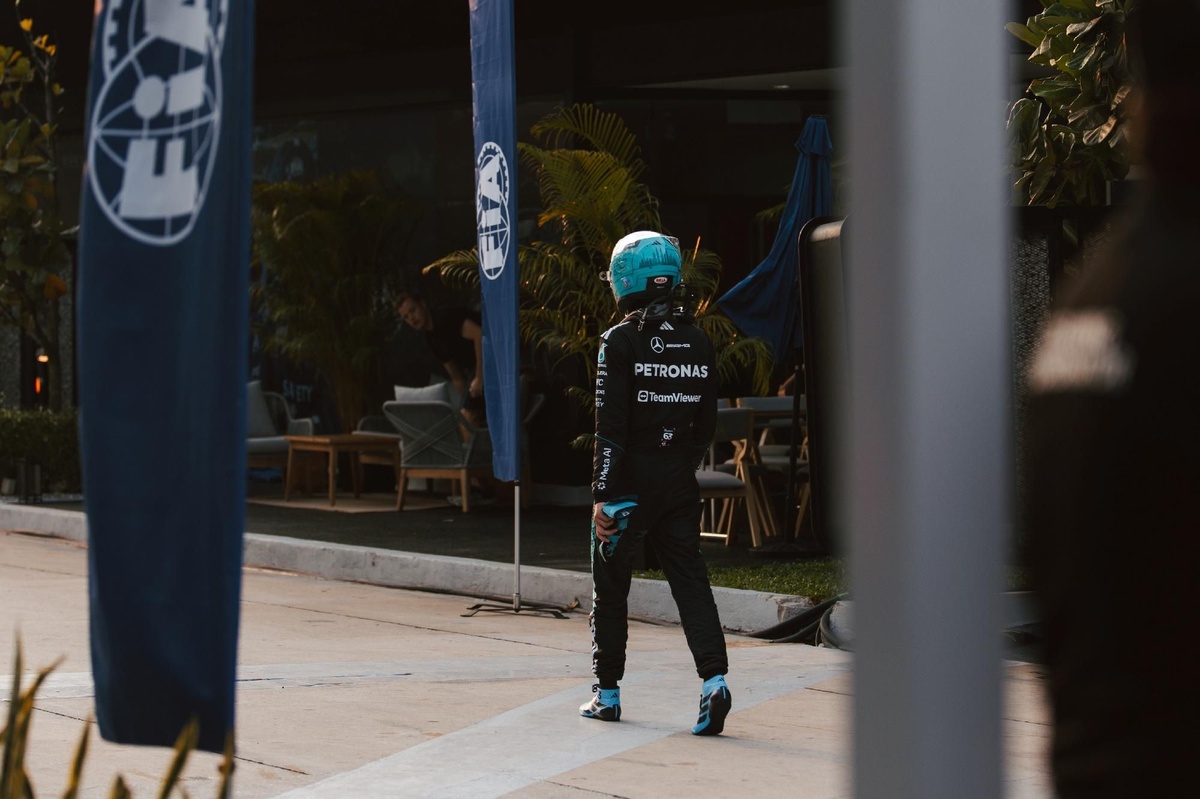
In stark contrast, the Mercedes-AMG Petronas F1 Team endured a challenging opening day. Both George Russell and his teammate reported significant confidence-sapping balance problems and a worrying absence of overall grip. This left them trailing considerably behind their Ferrari rivals.
Russell didn't mince words after practice, calling it a "strange day" for everyone. He highlighted the problematic track surface, noting that despite partial resurfacing, the circuit felt "super bumpy" and "breaking up." These conditions are notoriously difficult for the current generation of F1 cars, which have minimal suspension travel.
The Hungaroring Headache: A Tricky Circuit
The unique nature of the Hungaroring always presents a puzzle. Its infrequency of use outside of the Grand Prix weekend means the track starts "green" and dusty, evolving rapidly. This, coupled with the reported bumpiness and surface inconsistencies, makes finding the optimal setup a high-stakes gamble.
Engineers must strike a delicate balance. The circuit's many corners demand high traction on exit, making the rear axle a critical limiting factor. However, dialling in understeer to protect the rear tyres can severely compromise crucial entry speeds, creating a vicious circle of setup challenges.
Mercedes Deputy Remains Defiant
Despite the evident gap – Russell was nearly a second off Hamilton's pace in FP2 – Mercedes remains outwardly confident. Deputy team principal Bradley Lord emphasized the team's competitive showing on various track types this season. He insisted that Mercedes aims to fight for pole position at every race, including Sunday's Hungarian Grand Prix.
While the early pace from Ferrari is undeniable, the Hungaroring is known for throwing curveballs. Mercedes' ability to dig deep overnight and unlock more performance will be key. The stage is set for a thrilling qualifying session and an unpredictable race.