

The future of Ferrari in Formula 1 hinges on days like these, and the early signs from Barcelona suggest the Scuderia is off to a solid start in its 2026 F1 car development. With the new technical regulations looming, every lap counts, and Charles Leclerc has delivered an encouraging initial verdict on the SF-26. This crucial Ferrari F1 test marks the true beginning of their 2026 campaign.
Key Takeaways from Ferrari's Barcelona Test:
- Charles Leclerc confirms "everything went properly" during the SF-26's initial run in Barcelona.
- The team prioritized critical system checks over raw performance, even amidst challenging wet conditions.
- Lewis Hamilton stepped into the new machinery for his first experience later in the day.
- Leclerc views the 2026 regulations as a prime chance for Ferrari to fight for championship glory.
First Shakedown Success for the SF-26
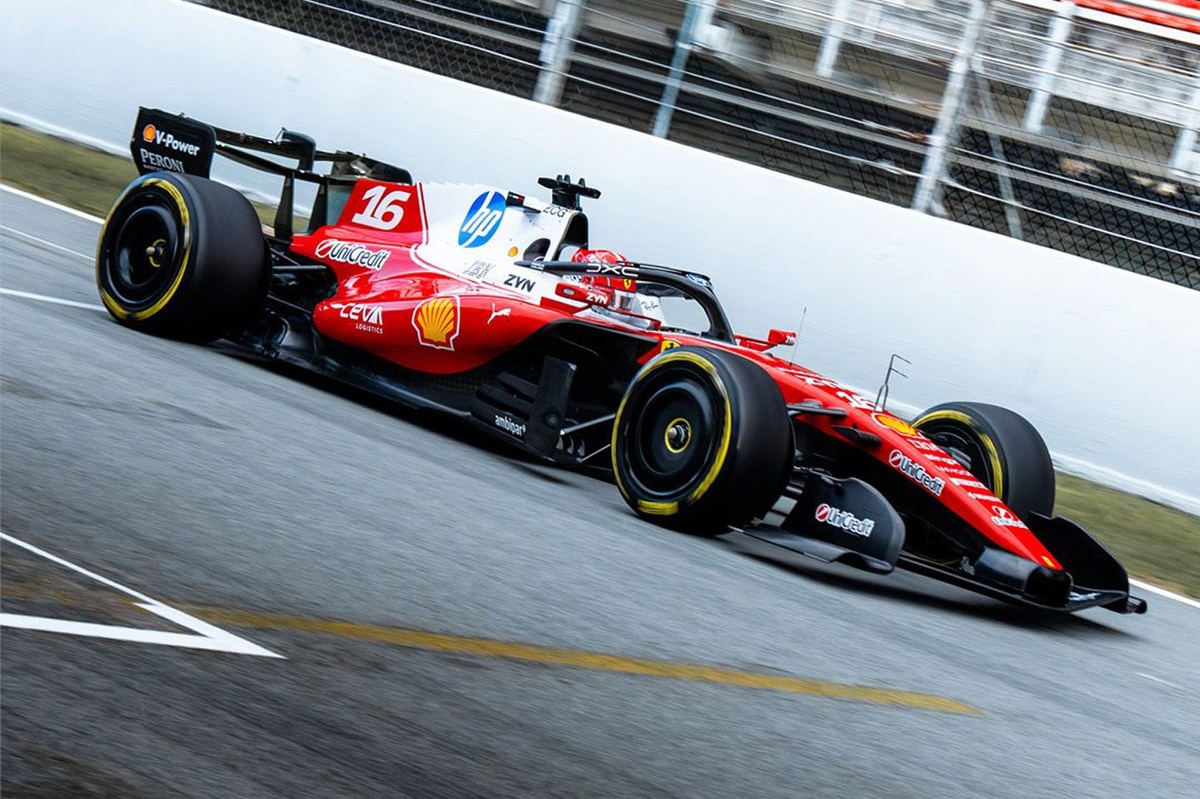
Ferrari officially ramped up its preparations for the monumental 2026 Formula 1 season by conducting its first significant track running with the SF-26 at the Circuit de Barcelona-Catalunya. After a brief 15km shakedown at Fiorano and opting out of the first day, the Scuderia unleashed its new challenger on Tuesday morning. Piloting the car, Charles Leclerc reported a smooth operation.
"For now it's all about trying to understand if everything is working properly, which it kind of did," commented the Monegasque driver. Despite challenging damp conditions, the team meticulously followed their testing agenda, focusing purely on validating the complex new systems. This early reliability is a vital positive for Ferrari as they tackle the upcoming regulatory overhaul.
Navigating the New Era: Systems First, Performance Later
The 2026 F1 regulations usher in a revolutionary era for the sport, featuring entirely new chassis and engine rules. For Ferrari, these initial testing days aren't about lap times; they're about foundational stability. Leclerc underlined this strategic approach, emphasizing the importance of ensuring all new components integrate seamlessly before pushing for speed.
The Monegasque ace also acknowledged the increased complexity of managing tools like active aerodynamics and energy boosts under the new rules. While "very, very, very early" to draw conclusions, he conceded that mastering these elements would undoubtedly present "a bit more of a challenge" for drivers. This system-first mentality is critical for long-term development.
Hamilton's Initial Taste of the Future
Adding another layer of intrigue to the Barcelona test, Lewis Hamilton took over the reins of the SF-26 in the afternoon session. This marked a significant moment, providing the seven-time world champion with his very first experience in what will eventually become his Ferrari machinery for the 2026 season.
Notably, Leclerc's race engineer, Bryan Bozzi, reportedly provisionally assumed the engineering role for Hamilton during this session. This temporary arrangement follows the recent reshuffling that saw Hamilton's long-time engineer, Riccardo Adami, moved to a different program amidst reports of a "lack of chemistry."
2026: A Championship Opportunity for Ferrari?
The anticipation for 2026 isn't just about new cars; it's about a reset button for the entire grid. Charles Leclerc is acutely aware of the stakes and the immense opportunity it presents for Ferrari. The team's last Constructors' title dates back to 2008, a drought the Scuderia is desperate to end.
"This year is a big opportunity for every team to do something different and to maybe gain a bigger advantage than what we've seen in the last few years," Leclerc stated with conviction. "I hope we are the team that will manage to make the difference... I hope that this one is ours." His words resonate with the hunger of a team and a fanbase yearning for F1 glory.