
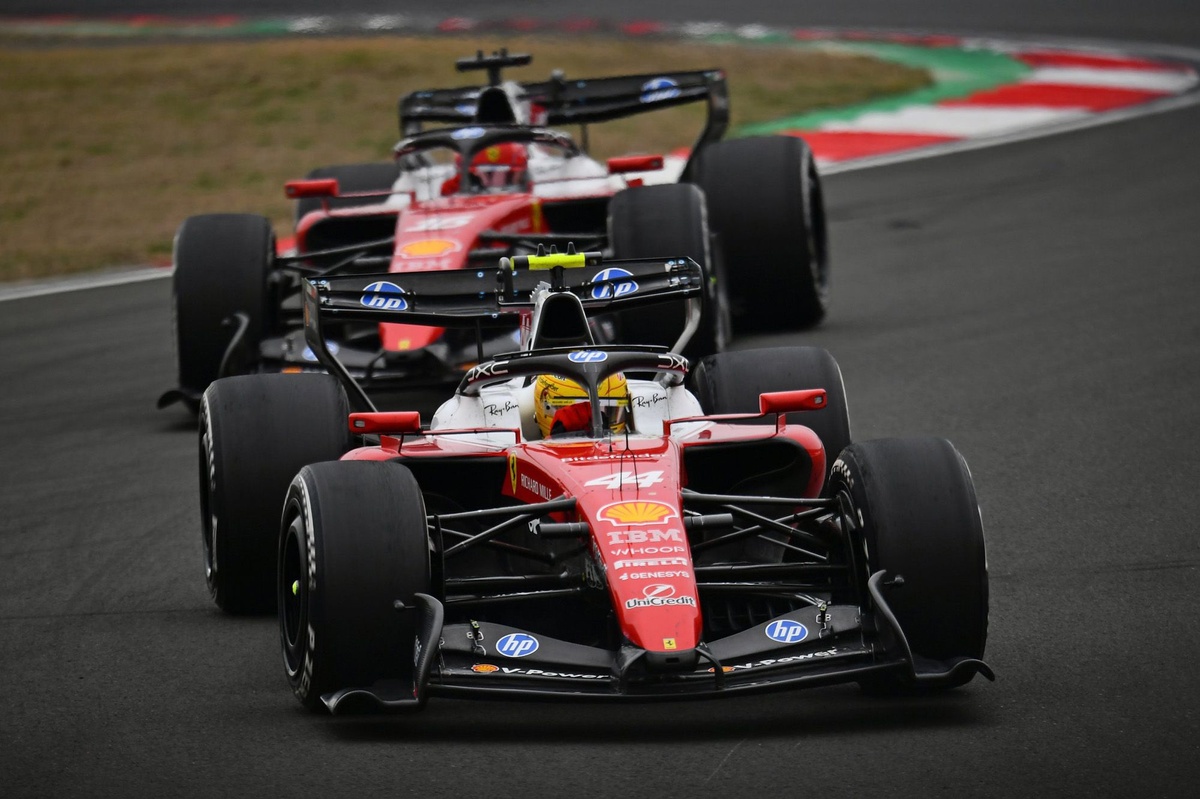

It's time for Ferrari to prove its championship mettle. As Formula 1 heads to the iconic Suzuka Circuit for the Japanese Grand Prix, the Scuderia is rolling out a series of aggressive developments aimed squarely at dethroning Mercedes. This isn't just about speed; it's about a meticulous, factory-backed assault on every aspect of the SF-26.
Key Points for Ferrari's Japan GP Strategy:
- Engine & Energy Optimization: Ferrari is pushing its power unit to the absolute limit, focusing on smarter energy harvesting and distribution to counter Mercedes' high-end power advantage.
- The "Macarena" Wing's Return: The controversial rotating rear wing is set for another outing, with engineers addressing stability issues to unlock its full aerodynamic potential.
- Suzuka's Unique Demands: The track's complete resurfacing and challenging battery recharge zones, coupled with unpredictable weather, present a critical test for the SF-26.
- Aerodynamic Finesse: Beyond the "Macarena," Ferrari is refining front-wing balance and exploring subtle, yet impactful, aero additions like a revised Halo flap.
Suzuka: A Demanding Test for the Prancing Horse
The Japanese Grand Prix at Suzuka is far from a typical race weekend. This legendary circuit offers a unique blend of high-speed corners and technical sections, notoriously challenging for battery recharging. Adding layers of complexity, the entire track has been resurfaced, and forecasts hint at cold, potentially damp conditions. These variables could dramatically shift the performance landscape, making Ferrari's factory simulations a gamble.
At Maranello, the engineers have been relentless. Analysis from the first two Grands Prix highlighted areas for improvement, leading to intensive work to unlock the SF-26's true capabilities. Initial internal data looks promising, but the real test comes against their fiercest rival: Mercedes.
The Power Unit Battle: Harvesting Every Joule
Ferrari's 067/6 power unit has shown impressive pace in twisty sections but lags on long straights where Mercedes' engine shines. The Silver Arrows exploit superior high-end power to efficiently recharge electrical energy, experiencing less "super clipping" compared to their rivals. This allows them to burn fuel strategically for battery top-ups. There's even talk of Mercedes potentially gaining an edge from a unique compression ratio that can exceed 16:1 when hot.
Enrico Gualtieri's engine department at Ferrari isn't chasing Mercedes' exact philosophy. Instead, they're doubling down on their own strengths. The goal is to maximize energy harvesting in slower corners and transitions, even experimenting with lower gears to keep engine revs consistently high. They believe there's still untapped potential in their smaller turbo concept and are meticulously refining the energy distribution across a full lap. A lingering question also hangs over fuel: Can Shell's latest concoction truly match Petronas' performance for Mercedes-powered teams?
Aero Innovation: The Macarena Wing's Comeback
The intriguing "Macarena" rotating rear wing, last seen briefly in China, is strongly anticipated to make a definitive appearance at Suzuka. This innovative aerodynamic solution promises higher top speeds when deployed. However, its previous outing revealed a critical flaw: drivers reported instability during the wing's closing phase, making the already delicate braking zones even more treacherous.
Ferrari’s aerodynamicists have been working tirelessly. Their focus extends beyond just timing the wing’s opening and closing; they're also adjusting front flap settings to achieve optimal car balance on Suzuka's demanding layout. While the benefits of the open wing are clear, the challenge lies in ensuring these advantages outweigh the drawbacks, such as the increased weight from the two actuators. The SF-26 still needs to shed an estimated six to seven kilograms. This "Macarena" is just a first iteration; a more advanced version, capable of dynamically adjusting closing times per corner, is already in development.
Beyond the rear wing, expect subtle changes elsewhere. The small plastic fin on the Halo support, controversially removed in China, is also likely to return in a revised, potentially more transparent, version. Ferrari is leaving no stone unturned in its quest for marginal gains.
Japan: A Crucible for Ferrari's Ambitions
The Japanese Grand Prix is a pivotal moment. It will be the ultimate proving ground for Ferrari's intense factory development push. The Scuderia refuses to concede any ground to Mercedes, and Suzuka will reveal whether their bold strategy and technological gambles are paying off. Following Japan, a rare month-long break will provide another crucial window for Ferrari to further refine the SF-26 and tighten the gap at the top. The battle for supremacy is heating up!