
Ferrari's Energy Gambit: How Leclerc Stunned Mercedes at Suzuka
The roar of the Suzuka crowd witnessed more than just a race; it saw Ferrari execute a tactical masterclass, turning a challenging circuit into a strategic triumph for Charles Leclerc!
Suzuka, a legendary track, has historically been notoriously difficult for overtaking. However, with the looming 2026 regulations hinting at a new era of energy management and boosted overtaking, Ferrari unveiled a strategy that allowed Leclerc to secure a stunning podium finish right under the noses of the dominant Mercedes.
Key Points from Suzuka:
- Charles Leclerc secured P3, fending off aggressive attacks from Mercedes' George Russell and Kimi Antonelli.
- The 2026 regulations' focus on energy management allowed for significant speed differentials, challenging traditional overtaking.
- Ferrari employed an ingenious energy deployment strategy, creating a 'yo-yo' effect that drained Mercedes' battery.
- This strategic brilliance delivered a crucial morale boost for Ferrari, proving their ability to outmaneuver top rivals.
Suzuka's New Gauntlet: Overtaking Reimagined
Suzuka Circuit is a driver's paradise, yet for years, it has been a nightmare for those attempting to make passes. The layout, combined with past technical rules, made genuine overtaking moves rare. But the future is already casting its shadow, with the 2026 regulations previewing a radical shift.
These new rules introduce a potent blend of boost and 'overtaking mode,' capable of generating speed differences of nearly 25mph. This isn't just about raw power; it's about the intricate science of energy management. The team that masters this delicate balance will unlock an entirely new dimension of racing.
Leclerc's Brilliant Defence: Holding Off the Silver Arrows
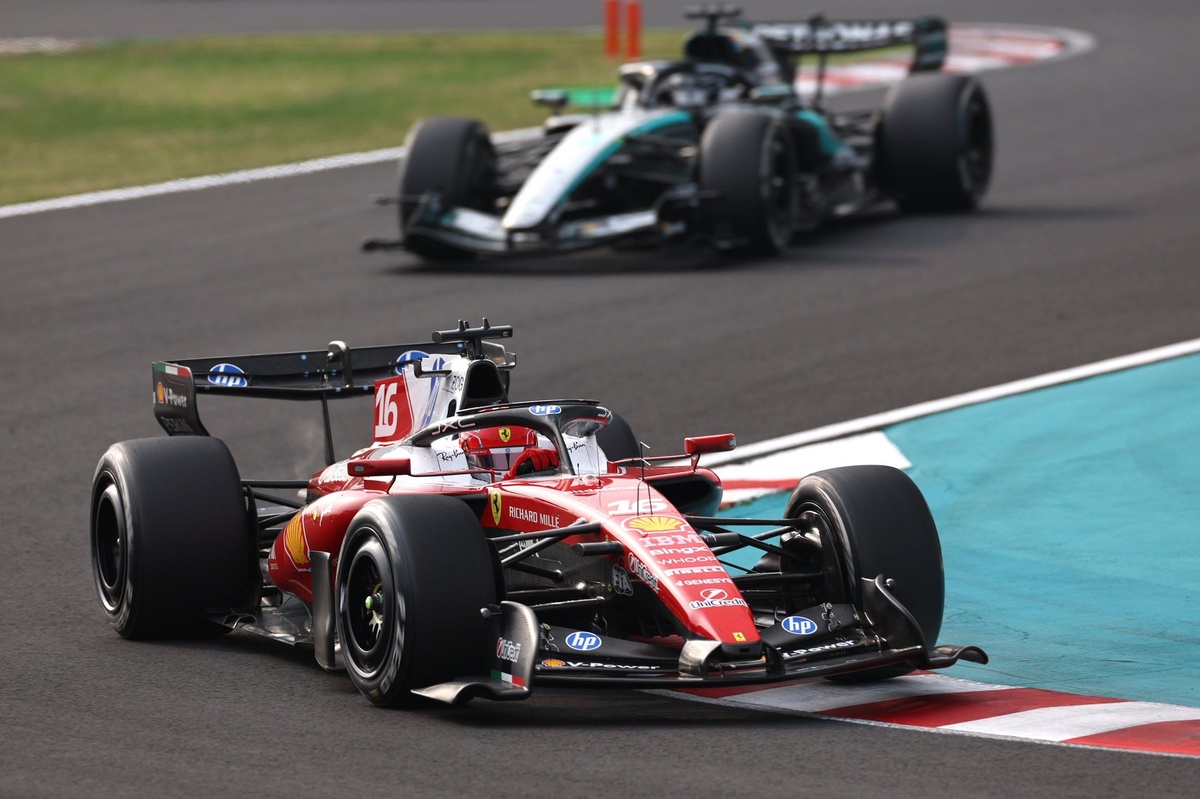
In Japan, Charles Leclerc showcased his defensive prowess, securing a well-deserved second podium of the season. He heroically fended off relentless pressure from both George Russell and Kimi Antonelli in their formidable Mercedes W17s. Leclerc’s defensive brilliance at Suzuka wasn’t just instinct; it was engineered.
With the 2026 energy rules reshaping the way battles are fought, the key to beating a Mercedes isn’t necessarily sheer pace, but mastering when and where you deploy your limited battery boost. Rather than merely chasing lap times, Ferrari’s strategy focused on exploiting specific sections of the Suzuka lap where energy deployment could make the biggest difference, particularly between the Spoon Curve and the final chicane.
The Monegasque’s approach was less about conserving energy over the whole lap and more about selectively unleashing it at critical moments, forcing Russell into a tactical dilemma. By timing his battery bursts coming out of slower corners, Leclerc consistently built small advantages down the straights — advantages that Mercedes struggled to neutralise without expending precious energy.
Energy Strategy as a Weapon: How Ferrari Outsmarted Mercedes
This nuanced use of the hybrid system repeatedly forced the Silver Arrows into a defensive posture. If Russell tried to attack with early battery deployment, he risked being low on energy entering the next straight, where Leclerc could then counter‑attack. It was this yo‑yo effect of drain and recovery that helped Leclerc fend off multiple overtaking attempts, eventually allowing him to hold third place on merit rather than race pace alone.
In essence, Ferrari’s Suzuka game plan leaned into the complexity of the new ruleset, turning what many saw as a hindrance into a strategic weapon. And while Mercedes still showed formidable speed throughout the weekend, Leclerc’s energy mastery highlighted just how vital tactical ingenuity has become in the new era of Formula 1.