


Don't let the modesty of Charles Leclerc and Lewis Hamilton fool you – Ferrari's latest aerodynamic arsenal for the United States Grand Prix might seem subtle, but these aren't just minor tweaks; they're calculated strategic moves with potential implications far beyond a single race.
Key Points:
- Ferrari delivered nuanced aero updates for the US Grand Prix, strategically targeting the floor, sidepods, and diffuser efficiency.
- Despite the technical focus, drivers Charles Leclerc and Lewis Hamilton initially downplayed the immediate performance impact, citing gains of "less than a tenth."
- The primary goal is to stabilize critical airflow, enhancing consistent downforce and car stability, rather than solely chasing peak lap times.
- Crucially, these Ferrari F1 upgrades are seen as foundational development, potentially shaping their approach to the radical 2027 F1 regulations.
The Stealthy Scuderia: Unpacking Ferrari's US GP Aero Push
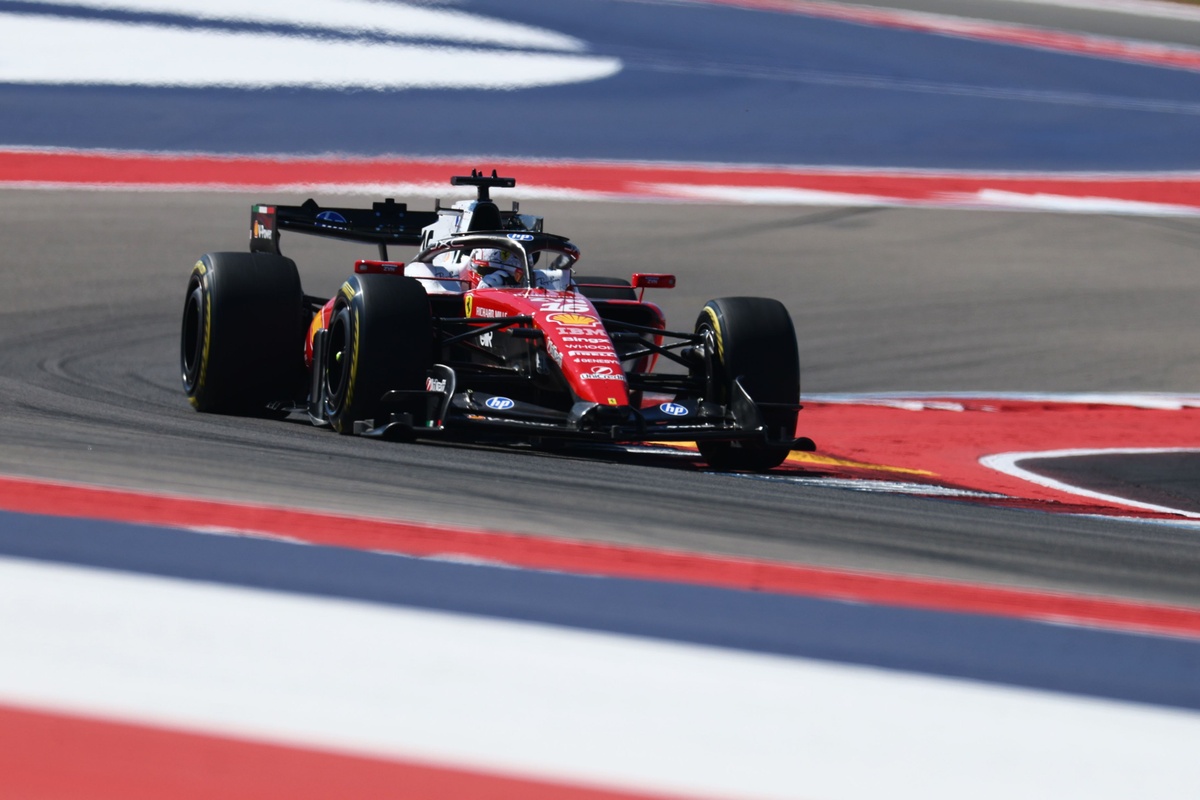
While the paddock buzz might have focused on other teams, Ferrari arrived at the Circuit of the Americas with a quiet determination, rolling out a suite of aerodynamic refinements for their SF-26. These Ferrari F1 upgrades were designed with surgical precision, targeting key areas for enhanced performance.
Behind the Modesty: What the Drivers Said
Both Charles Leclerc and Lewis Hamilton were quick to temper expectations. Leclerc stated these were "not major upgrades" and "not as big as maybe what's going around," focusing on a "small step in the right direction."
Hamilton echoed this sentiment, suggesting the tweaks offered "less than a tenth" of a second. He even speculated that the car's natural synergy with the Circuit of the Americas track layout would yield greater performance dividends.
Decoding the Tech: Where Ferrari Focused Its Energy
Despite the humble driver assessments, Ferrari’s technical notes paint a picture of intricate engineering. The core ambition of these US Grand Prix enhancements was to optimize airflow across and under the car, ultimately making the diffuser work harder and more efficiently.
The Innovative Floor 'Fingers' Explained
At the leading edge of the floor, the 'fingers' or floor fences are crucial. They manage airflow, minimizing turbulence for optimal diffuser function. Ferrari's unique modification involves extending the outermost finger, creating a horizontal flow conditioner. This is a subtle yet clever way to sculpt the air.
Sidepod and Diffuser Revamp
Further back, the SF-26's sidepods received a minor rework, with alterations to the inlet and undercut. These changes, paired with an upstream floorboard modification, aim to inject more energy into the airflow heading to the car's rear.
The diffuser itself also saw revisions. Ferrari engineers modified its overall volume and tweaked internal floor fences to increase the expansion of air released from the car's rear, thereby generating more consistent downforce.
Beyond the Lap Time: The Strategic Play
While a "tenth" might seem negligible for the significant investment in R&D and manufacturing, these Ferrari F1 upgrades are about more than just raw lap time. They represent a deeper, more strategic play in the high-stakes world of Formula 1.
Building a Consistent Platform
The goal isn't just peak performance, but consistent performance. By energizing airflow to the rear, Ferrari seeks to generate higher, more stable levels of downforce. This minimizes aero fluctuations caused by changes in airspeed, braking, or cornering, offering drivers a far more predictable and stable platform.
Laying Foundations for the Future
Crucially, these updates could be a testing ground for Ferrari's 2027 F1 regulations development. With the number of floor fingers set to be reduced from five to three next season, exploring unique extensions now could help them reclaim lost performance or discover new aero concepts for the future.
This forward-thinking approach underscores why teams invest in seemingly minor upgrades. It's about optimizing the current package and, perhaps more importantly, gathering vital data and insights that could prove invaluable in shaping the champions of tomorrow. Ferrari is playing the long game.