
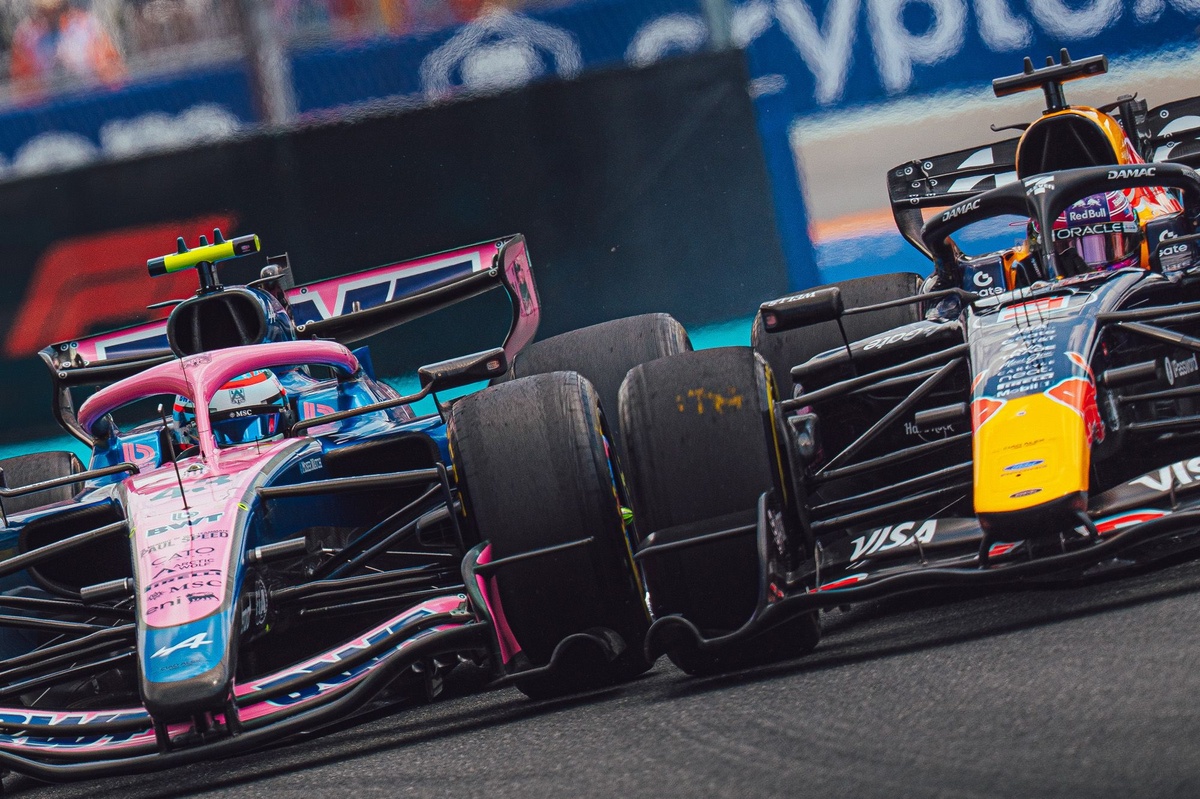

Formula 1 is slamming the brakes on its controversial 2026 engine regulations, pivoting sharply for 2027 to bring back raw power and pure racing! The FIA has announced a significant shift in power unit philosophy, moving away from the heavy reliance on electric energy to reignite the thrilling spectacle F1 fans crave. This bold move directly addresses widespread driver dissatisfaction and critical safety concerns that plagued the initial hybrid era.
Key Points:
- FIA greenlights major power unit changes for the F1 2027 season, boosting traditional internal combustion power.
- Internal Combustion Engine (ICE) output set to increase by 50kW (approx. 67bhp), significantly reducing Energy Recovery System (ERS) deployment.
- The shift aims to eliminate the "energy management" driving style, allowing drivers to push harder and improve overall racing dynamics.
- Immediate tweaks introduced for the Miami Grand Prix, like enhanced "super clipping," showed promising results, paving the way for these larger changes.
The Hybrid Headache: Why F1 Needed a Power Shift
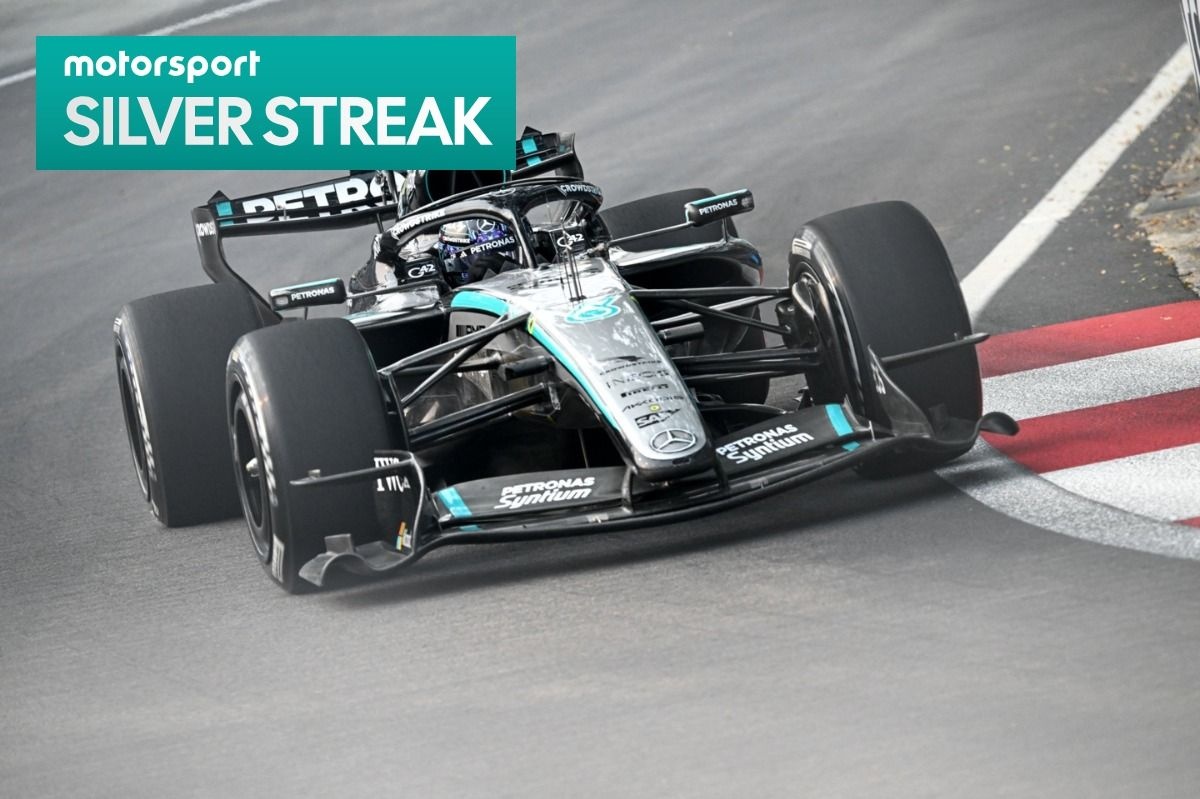
The F1 2026 rules quickly sparked controversy, with their focus on energy management overshadowing the desired goal of smaller, nimbler cars. Drivers expressed growing frustration, finding themselves unable to push in high-speed corners. Instead, they were forced into counter-intuitive driving styles, slowing down before braking zones purely to save and harvest energy. This diluted the racing purity fans expect from Formula 1.
Driver Dissent and Safety Scares
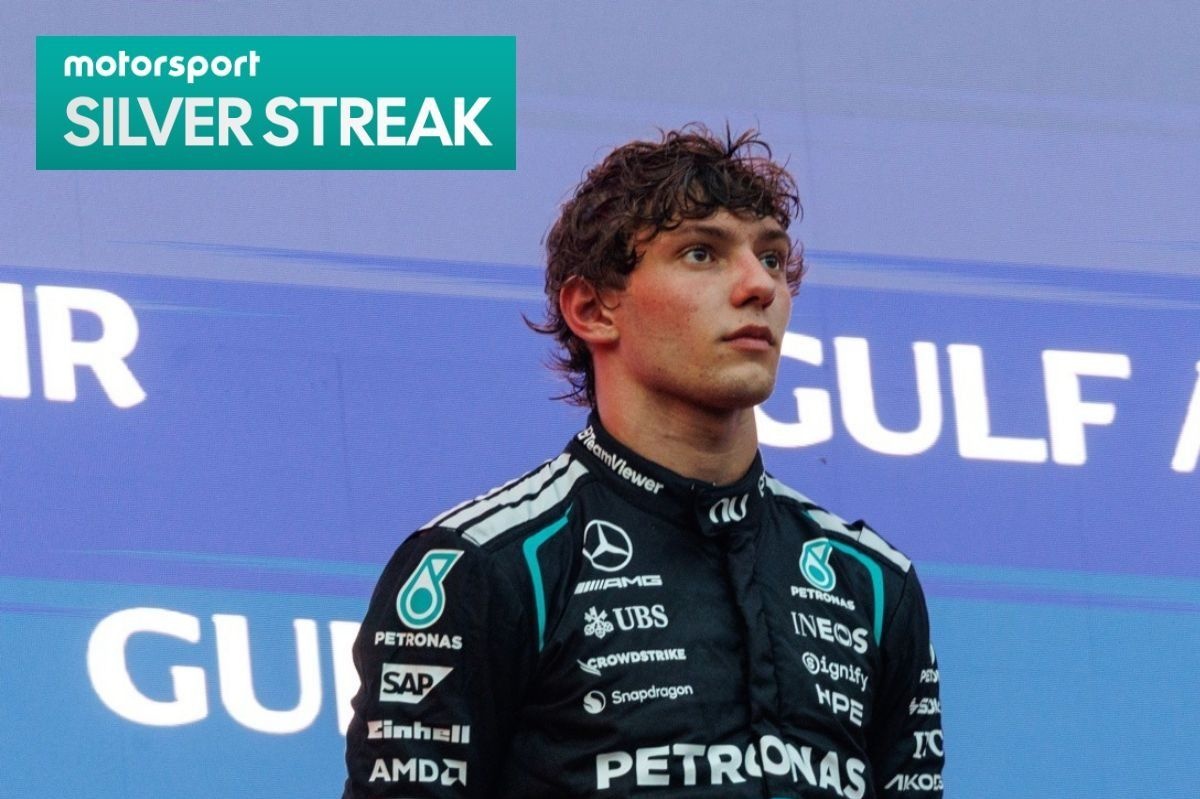
This emphasis on energy harvesting wasn't just dull; it created alarming safety risks. Despite an increase in overtaking maneuvers (197 recorded this season compared to 84 last year), the vast closing speeds between cars deploying and those harvesting energy became a major hazard. The stark reality hit home with Oliver Bearman's significant accident at Suzuka, a direct result of trying to avoid a much slower Franco Colapinto – who wasn't even actively harvesting.
Immediate Relief: Miami GP's Quick Fixes
Recognizing the urgent need for action, the FIA acted swiftly. Following intense discussions during an unplanned five-week break, immediate tweaks were implemented ahead of the Miami Grand Prix. These included increasing "super clipping" – the ability to recover energy at full throttle – from 250kW to 350kW. Additionally, energy harvesting during qualifying was slightly reduced from 8MJ to 7MJ, aiming to mitigate aggressive energy-saving tactics.
The FIA reported these initial modifications yielded "improved competition" and were a clear "step in the right direction." While minor safety adjustments are still on the horizon, the positive feedback from Miami underscored the critical need for a more substantial overhaul.
Looking Ahead: The 2027 Power Unit Revolution
The most significant changes are earmarked for the 2027 season, promising a dramatic recalibration of Formula 1's power landscape. The FIA has confirmed a pivotal shift away from the current near 50:50 split between combustion and electric power. This means a direct boost to the traditional internal combustion engine.
More Roar, Less Harvest
For 2027, the Internal Combustion Engine (ICE) power will surge by approximately 50kW (equivalent to 67bhp), achieved through a fuel-flow increase. Simultaneously, the deployment power of the Energy Recovery System (ERS) will be reduced by a corresponding 50kW. This strategic move will inject more raw power directly into the cars, reducing the complex and often frustrating energy management burden on drivers. Manufacturers will need time to adapt their hardware, explaining the 2027 timeline.
The Road to Ratification
These groundbreaking tweaks are currently "agreed in principle" by the FIA, FOM, team principals, and power unit manufacturers. The next crucial steps involve formal voting by the power unit manufacturers themselves, followed by final ratification from the World Motor Sport Council. Given the widespread consensus and collaborative spirit demonstrated, this process is expected to be a formality, clearing the path for a more exciting and driver-centric Formula 1 future.