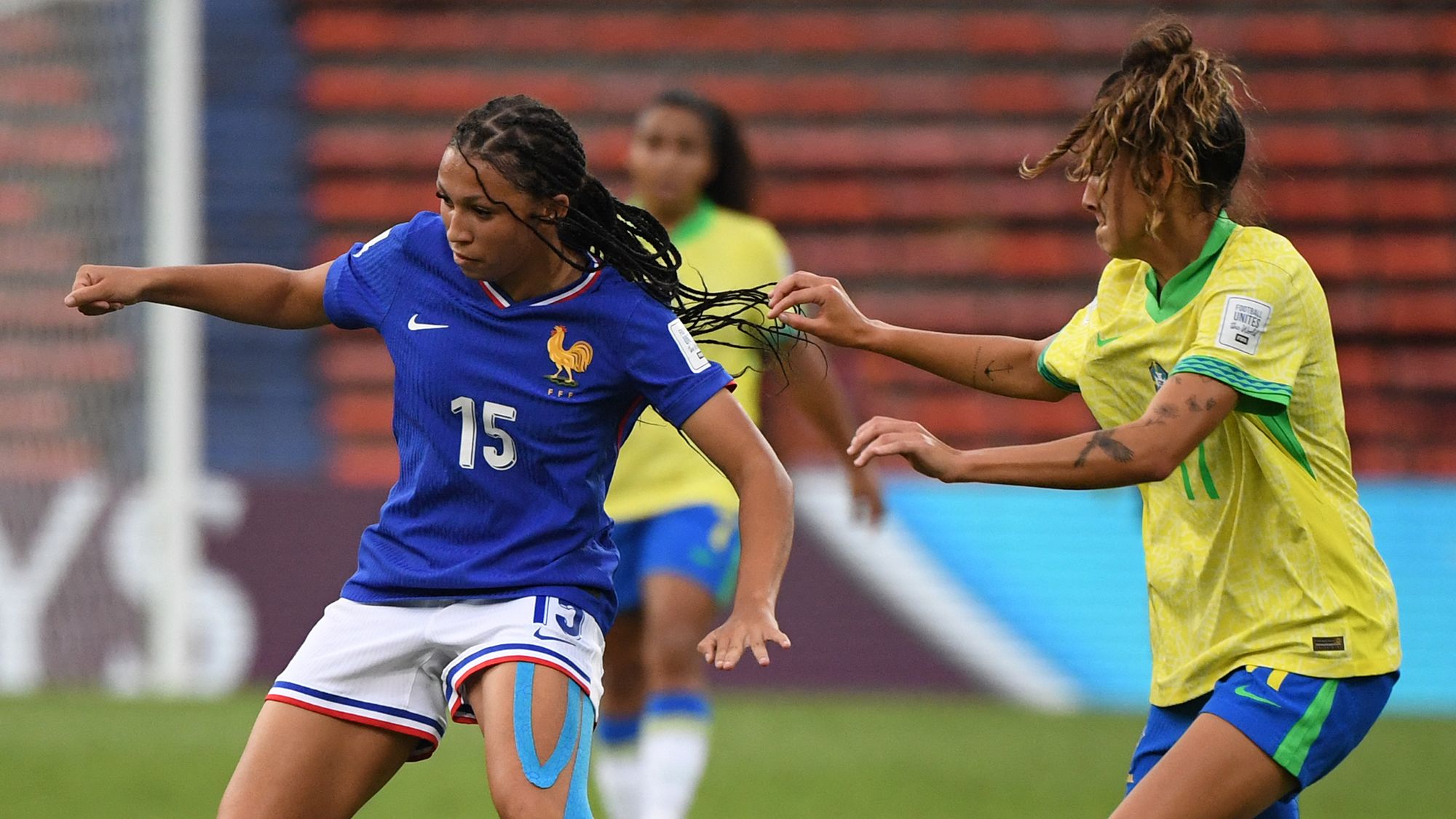

Amidst a storm of unprecedented political tension gripping global football, France has stepped out, making a decisive statement: their U20 Women's World Cup dreams will not be deferred.
This crucial decision by the French Football Federation (FFF) injects a fascinating twist into the ongoing standoff between UEFA and FIFA, as Europe's governing body threatens to boycott FIFA-sanctioned competitions.
Key Points:
- France confirms participation in the U20 Women's World Cup in Poland.
- This decision defies a potential UEFA boycott of FIFA competitions.
- The dispute stems from FIFA President Gianni Infantino's controversial commercial proposals.
- The looming conflict threatens the 2027 Women's World Cup and the broader future of women's football.
A European Giant Takes a Stand
France's intent to compete in the upcoming U20 Women's World Cup in Poland has been unequivocally confirmed. The FFF conveyed its position directly, stating, "For now, France will be participating to the Fifa U20 Women World Cup."
This declaration is a significant move, as it sees one of Europe's footballing powerhouses publicly break ranks. While other nations remain tight-lipped, France has chosen transparency, signaling their commitment to the competition despite the wider political turmoil.
The Battle Lines: UEFA vs. FIFA
At the heart of this brewing conflict are FIFA President Gianni Infantino's ambitious, yet highly divisive, commercial proposals. These plans involved selling stakes in various FIFA competitions to private investors, a move that immediately drew the ire of UEFA and its 55 member associations.
The European bodies collectively voted to boycott all FIFA competitions until these contentious proposals were formally retracted. This hardline stance created a chasm between the two global football entities, casting a long shadow over upcoming tournaments.
Why UEFA is Pushing Back
Despite an apology from FIFA's leadership, UEFA has not fully retreated from its aggressive position. The European governing body indicated that a boycott remains firmly on the table if underlying grievances are not adequately addressed.
This highlights a deeper struggle for influence and control over the future direction and commercialization of the global game. UEFA's insistence on their conditions underscores the severity of the rift.
The Global Game Holds Its Breath
While France has made its intentions clear, the silence from other major European footballing nations is deafening. The Football Association, for instance, has yet to comment on whether the Lionesses will join France in Poland.
This uncertainty fuels speculation that many nations are waiting for a final directive from UEFA headquarters. The stakes are particularly high for women's football, with its packed calendar making it an immediate casualty of any sustained boycott, beginning with the U20 World Cup on September 5.
What's Next for Women's Football?
The most dire long-term consequence of this political maneuvering could impact the 2027 Women's World Cup. Should European teams be forced to withdraw from qualifying play-offs due to a UEFA-enforced boycott, they would be ineligible for the final tournament in Brazil.
The football world is watching closely, focusing on the six European teams scheduled for the U20 World Cup: England, France, Italy, Portugal, Spain, and hosts Poland. France's decision provides a vital glimmer of hope for the tournament, but the situation remains incredibly fluid and unpredictable for the beautiful game.