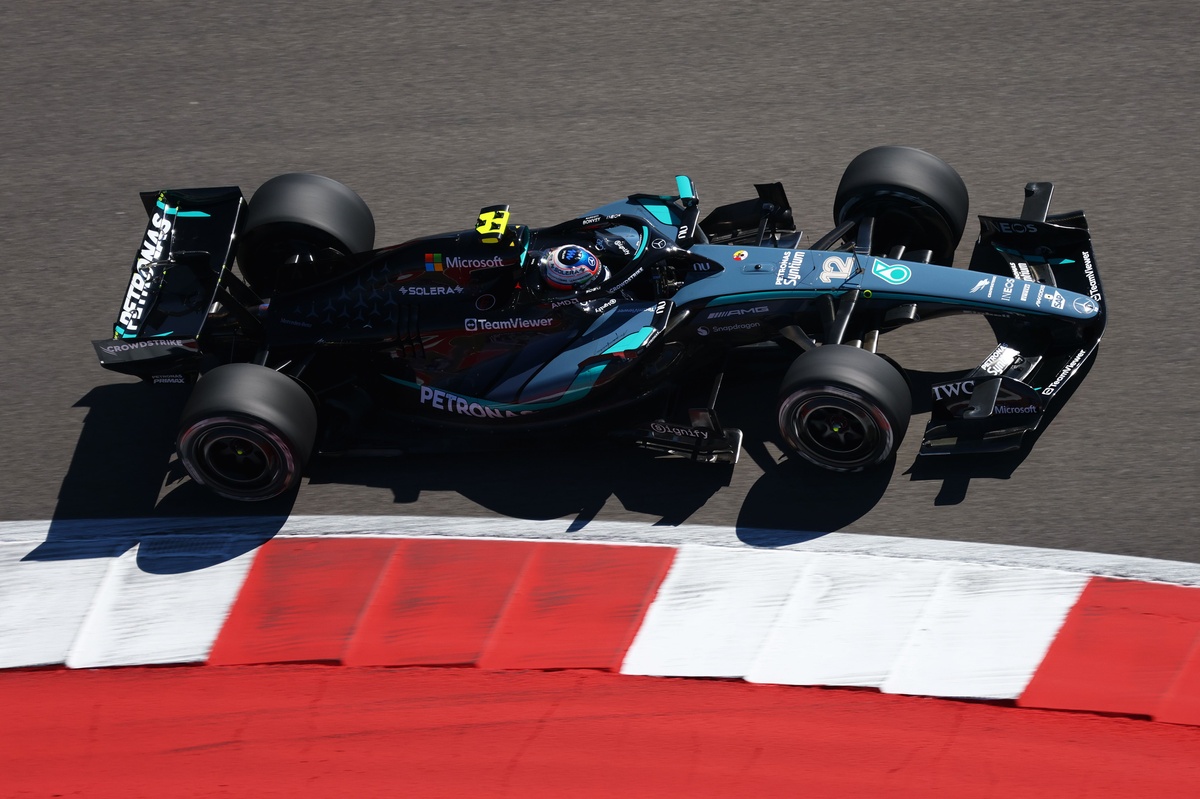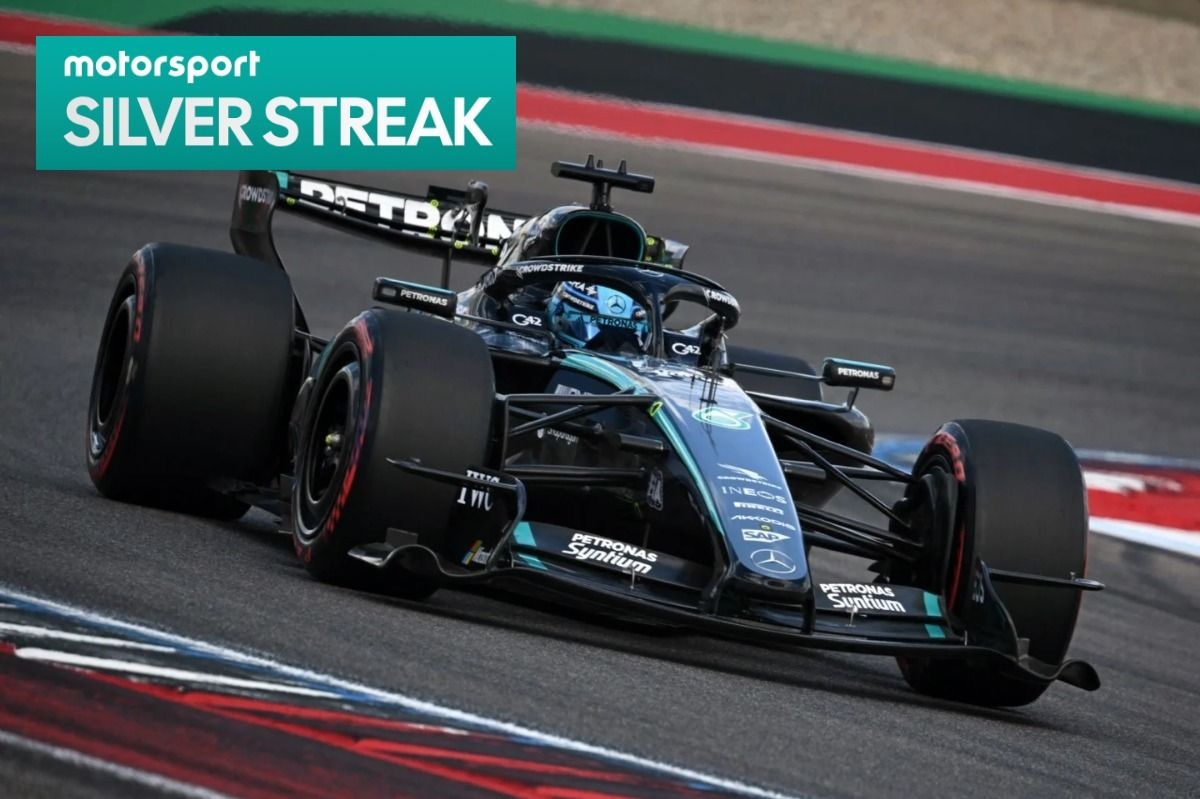

The gladiatorial arena of Formula 1 demands precision, but for Mercedes ace George Russell, the Circuit of the Americas (COTA) has transformed from a thrilling challenge into a jarring, bumpy nightmare. This weekend, the bumpy F1 track conditions at COTA have put a spotlight on a fundamental design flaw in modern F1 cars, with Russell leading the charge for a radical rethink.
Key Takeaways from COTA Qualifying:
- George Russell qualified a disappointing P6 at COTA, directly linking his struggles to the track's surface and current F1 car design.
- Russell is advocating for Formula 1 to re-evaluate regulations that force cars to run "so low and so stiff."
- Prominent drivers like Max Verstappen and Oscar Piastri have openly criticized the COTA track, calling it "unacceptable" and "like a motocross jump."
- COTA chairman Bobby Epstein acknowledges the significant issues with the track but cautions that there's "no easy fix."
A Bumpy Road to Controversy: Russell's COTA Frustration
Mercedes driver George Russell didn't mince words after a challenging qualifying session at the United States Grand Prix. Finishing P6, a significant 0.441 seconds behind his teammate Kimi Antonelli who stormed to pole, Russell was quick to point fingers at the unforgiving surface of COTA. His stark message? The sport needs to question the very principles guiding its car design.
"It is definitely pretty bad," Russell stated, referring to the track. "But it's always a challenge when you're forced to run the car so low and so stiff. If we can get it on the tracks, then maybe we need to think about how they allow us to run the cars in a more sensible region." This isn't just about speed; it's about the fundamental interaction between machine and circuit.
The Driver Chorus: Verstappen and Piastri Join In
Russell isn't a lone voice in this critique. Red Bull sensation Max Verstappen ignited the debate earlier in the weekend, lambasting the COTA bumps as "unacceptable" and "out of control." His sentiments were echoed by McLaren's Oscar Piastri, who, after securing P7 in qualifying, vividly described the feeling as "a motocross jump." This widespread driver discontent signals a serious underlying issue for Formula 1.
Is F1's Car Design Hitting a Wall? The Low-Rider Problem
The heart of George Russell's argument lies in the extreme engineering of modern F1 machines. These sophisticated cars are designed to hug the tarmac, often running just 10mm from the ground at blistering speeds. While this maximizes aerodynamic efficiency and downforce, it leaves zero margin for error when faced with an imperfect surface.
This constant compromise between ultimate performance and real-world track conditions creates a dilemma. Should tracks be resurfaced "every couple of years" as Russell suggests, or should the regulations around car design evolve to be more forgiving? The current setup pushes both cars and drivers to their absolute limit, sometimes beyond a reasonable threshold.
COTA's Conundrum: Acknowledging the Bumps
For Circuit of the Americas chairman Bobby Epstein, the criticism is a bitter pill. While admitting the dip at Turn 1 is "not acceptable," he also candidly told ESPN there's "no easy fix." Resurfacing a major F1 track is a monumental and expensive undertaking, often disrupting other events and requiring significant downtime. The challenge highlights the tension between a circuit's practical realities and Formula 1's relentless pursuit of perfection.
Qualifying Blues: Russell's Own Struggles at COTA
Beyond the broader track debate, George Russell openly admitted his personal struggles during COTA qualifying. He couldn't string together a perfect lap in Q3, lamenting "two bad laps in Q3. Simple as that really." A crucial mistake – "just one slide around Turn 12" – proved costly, triggering a "snowball" effect that ruined his third sector.
Compounding the challenge, Russell noted that external factors like cloud cover played a significant role. Changes in cloud cover led to track temperature fluctuations, impacting tyre performance, especially in the demanding third sector. This variability meant that, despite the best efforts, many drivers, including Russell, found it impossible to improve on their final runs.
Sunday's Stakes: Championship Implications
With Kimi Antonelli on pole, the championship leader has a golden opportunity to extend his lead, potentially even clinching the title. For George Russell, starting P6 means a monumental task lies ahead. He needs a flawless drive to climb the ranks, not just for his own standings but to keep the championship fight alive for himself and teammate Lewis Hamilton. The bumpy ride at COTA could define more than just one race.