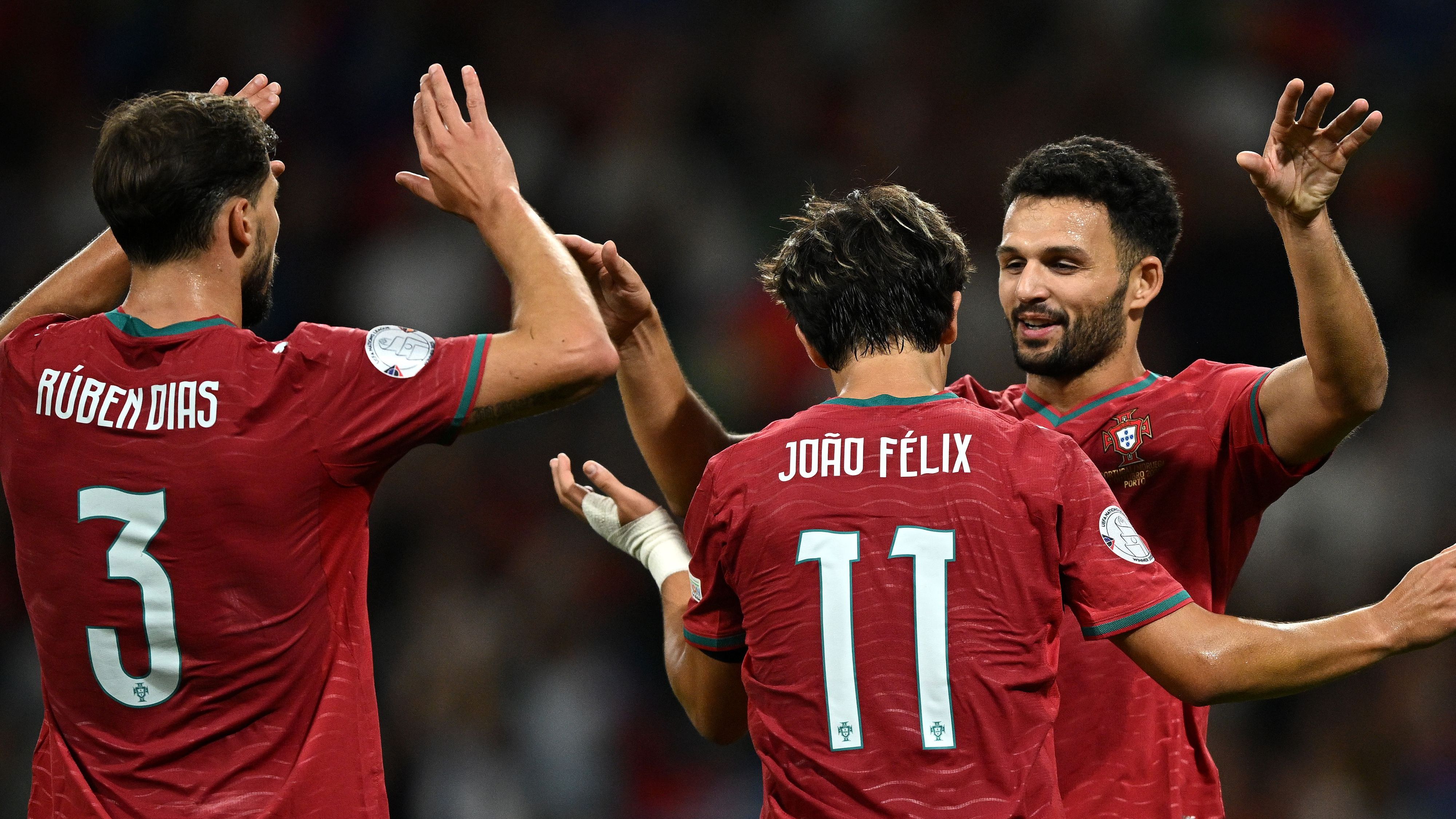

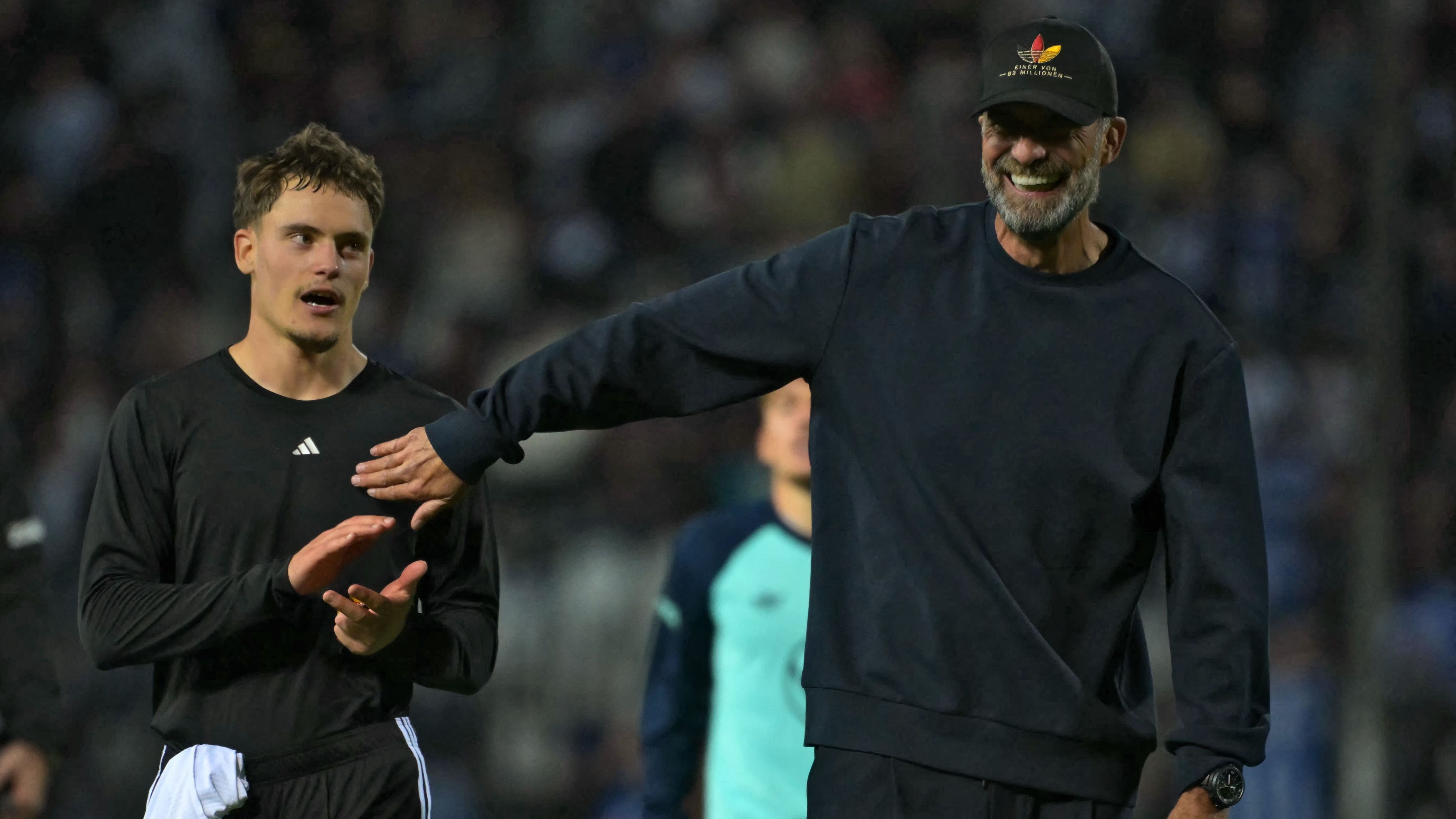

The German national team once again showcased their Jekyll and Hyde nature, dominating possession but ultimately proving "toothless" in a frustrating 0-0 draw against a resolute Greece in the UEFA Nations League. The result leaves Jurgen Klopp's men searching for answers, particularly in the final third, after a display that highlighted their creative struggles against a deep defensive block. Despite the vibrant energy instilled by Klopp, the team's inability to convert territorial advantage into goals has become a recurring concern for Germany fans.
Key Match Points
- Germany controlled over 70% possession but struggled to break down Greece's deep defensive block.
- Captain Florian Wirtz emerged as the primary creative threat, often dropping deep to influence play.
- Jurgen Klopp's proactive substitutions couldn't alter the game's tactical dynamic.
- The defensive unit, led by Jonas Urbig, secured a clean sheet but faced minimal threat.
Germany's Attacking Puzzle: Frustration Against the Low Block
The main story from the 0-0 stalemate was Germany's inability to penetrate Greece's compact defensive setup. Despite registering 21 shots, few truly tested the opposition goalkeeper. This lack of clinical edge is a growing concern for Klopp as the team builds towards future tournaments.
Wirtz Shines Amidst Offensive Struggles
As captain and creative fulcrum, Florian Wirtz was undeniably Germany's brightest spark. Constantly dropping deep to ignite attacks and attempting to unlock the Greek defence, his individual brilliance was evident. However, even Wirtz found himself isolated at times, with his goal-bound efforts often blocked or just off target. Jonathan Burkardt, leading the line, endured a difficult night, closely marked and unable to link up effectively.
Wingers Lennart Karl and Derry Scherhant struggled to consistently beat their markers, often forced to play backwards or make poor decisions in critical areas. Substitutes Nick Woltemade and Said El Mala added physicality and directness but couldn't provide the decisive moment.
Defensive Solidity: A Rare Positive for Klopp's Men
While the attack misfired, Germany's defensive unit held firm, largely due to Greece's limited attacking ambition. Goalkeeper Jonas Urbig had a quiet evening, making only two saves to preserve the clean sheet. His distribution was key in maintaining Klopp's high defensive line.
Full-Backs Push, Centre-Backs Hold
David Raum on the left flank was a constant attacking outlet, delivering numerous crosses and even securing an assist for a late Wirtz chance. On the right, Philipp Treu showed immense energy, almost finding a late winner. However, both full-backs were caught out defensively at times, earning yellow cards.
Centre-backs Waldemar Anton and Malick Thiaw formed a solid two-man base, managing transitions effectively and dominating aerial duels. Despite a late booking for Thiaw, their physicality ensured Greece rarely threatened Urbig's goal.
The Midfield Engine Room: Dictating but Not Deciding
The midfield trio was tasked with controlling the tempo, and they certainly achieved that, boasting an impressive 89.2% pass accuracy. Aleksandar Pavlovic was the undisputed metronome, shielding the back four and dictating the flow of the game. However, even his precise passing couldn't create the killer ball needed to break down the resilient Greek midfield.
Tom Bischof intelligently occupied pockets of space, but the sheer numbers in the Greek midfield often crowded him out, limiting his influence in the final third. Lennart Karl had a particularly anonymous night, struggling to make an impact and eventually substituted.
Klopp's Conundrum: Searching for the Breakthrough
Jürgen Klopp has undeniably instilled a fighting spirit and a clear identity within the German squad. Their dominant possession and territorial control are hallmarks of his philosophy. However, this frustrating 0-0 draw against a deep block exposes a significant tactical challenge. His proactive substitutions, bringing on Nick Woltemade, Said El Mala, Bambase Conte, and Mika Baur, were aimed at changing the attacking dynamic but ultimately fell short. Klopp now faces the task of refining his team's attacking patterns to translate possession into decisive goals.