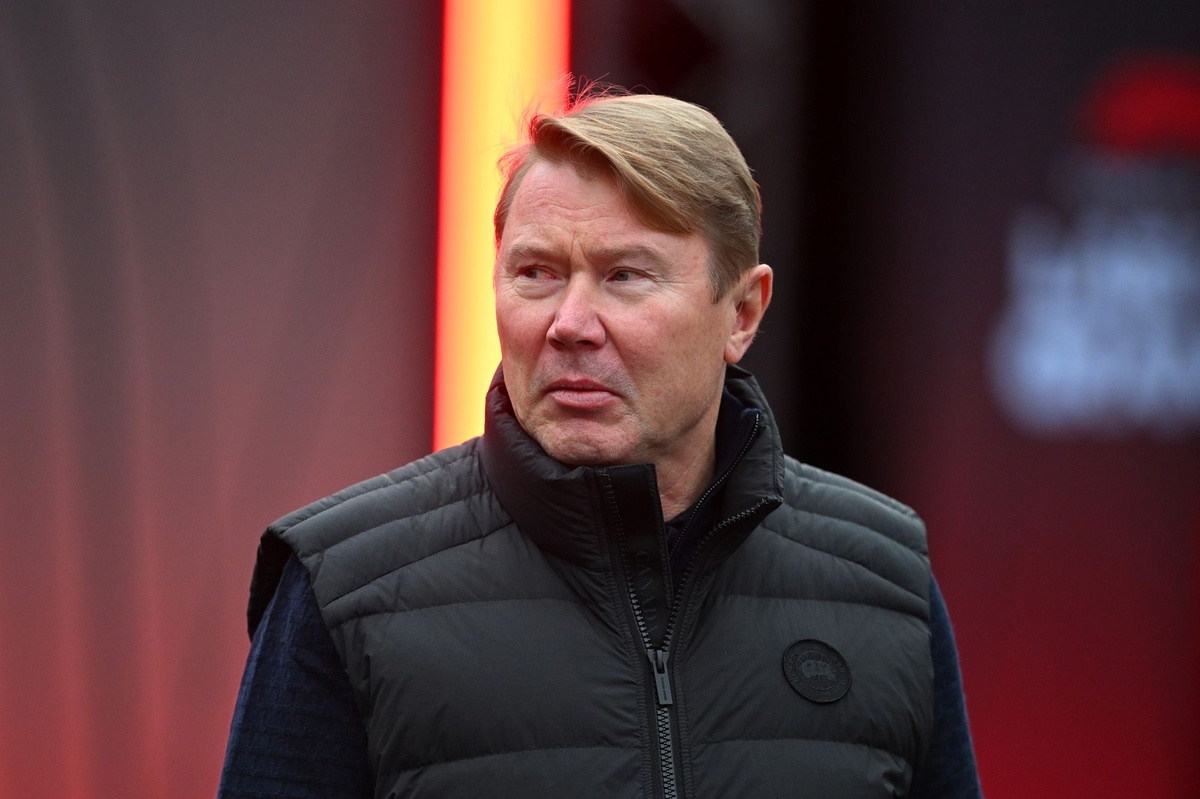

The roar of a Formula 1 engine can be deafening, but for Mika Hakkinen, the silence after his horrific 1995 Australian Grand Prix crash almost sealed his fate. The two-time world champion recently pulled back the curtain on the life-altering moment that left him questioning everything, including his very future in motorsport.
Key Points:
- Mika Hakkinen nearly died in a high-speed qualifying crash at the 1995 Australian Grand Prix.
- He suffered a fractured skull and internal bleeding, requiring an emergency tracheotomy trackside.
- After two months in the hospital, he seriously questioned his return to Formula 1.
- Ultimately, his immense passion for racing outweighed the fear, leading to two world championships.
A Brush with Destiny: The Adelaide Horror Crash
On the treacherous track of Adelaide in 1995, a routine qualifying session turned into a nightmare for Mika Hakkinen. A sudden tire puncture launched his McLaren into a violent spin at Brewery Corner, culminating in a brutal impact with the tyre barriers.
Hakkinen recalled the chilling realization: "The car didn't slow down at all, and I knew the barrier was not far away. It was so high speed, and then the car was spinning in the air." This wasn't just a shunt; it was an uncontrolled aerial assault on his body.
The aftermath was critical. With a fractured skull, internal bleeding, and a blocked airway, his life hung by a thread. The quick actions of Professor Sid Watkins, alongside doctors Jerome Cockings and Steve Lewis, performing an emergency tracheotomy trackside, were nothing short of heroic. They saved the legend.
The Long Road Back: More Than Physical Healing
After spending roughly two months in recovery, Hakkinen's battle was far from over. The physical wounds healed, but the mental scars loomed large. His former McLaren teammate, David Coulthard, shared the platform on the Up To Speed podcast where Hakkinen revealed the immense internal struggle.
"When I tried to move my hands or try to move my legs, no chance. And I said, 'Oh s***.'" This visceral recollection highlights the sheer helplessness he felt. The sight of Ron Dennis and his wife Lisa was a surreal moment, a jarring return to reality from what he initially perceived as "heaven."
The Ultimate Test of Resolve: To Race or Not To Race?
Returning to the cockpit of an F1 car seemed unthinkable for many, but Hakkinen faced that profound choice head-on. "This decision moment is one of the most challenging," he admitted. "You could easily say, 'Let's move life a different direction and let's forget motor racing.'"
It was a deeply personal introspection. The fundamental questions of life's purpose and future swirled. Could he willingly step back into a sport that had brought him so close to death?
The Phoenix Rises: Passion Conquers Fear
Ultimately, the siren call of Formula 1 proved too strong for Mika Hakkinen. His "huge passion" for driving and mastering the incredible machines, coupled with the teamwork, fueled his decision. It was a testament to his innate competitive spirit and perhaps, as he hinted, an "ego" that sought to prove he could overcome anything.
"When you sit in a car after an accident, you have to put your mindset to not think about the fear of the crash. It will happen again. You will crash again, but not to be afraid of that crash," he reflected. This profound insight underscores the mental fortitude required not just to return, but to thrive and eventually secure two world championships after such a devastating event. His story remains an enduring symbol of resilience in motorsport.