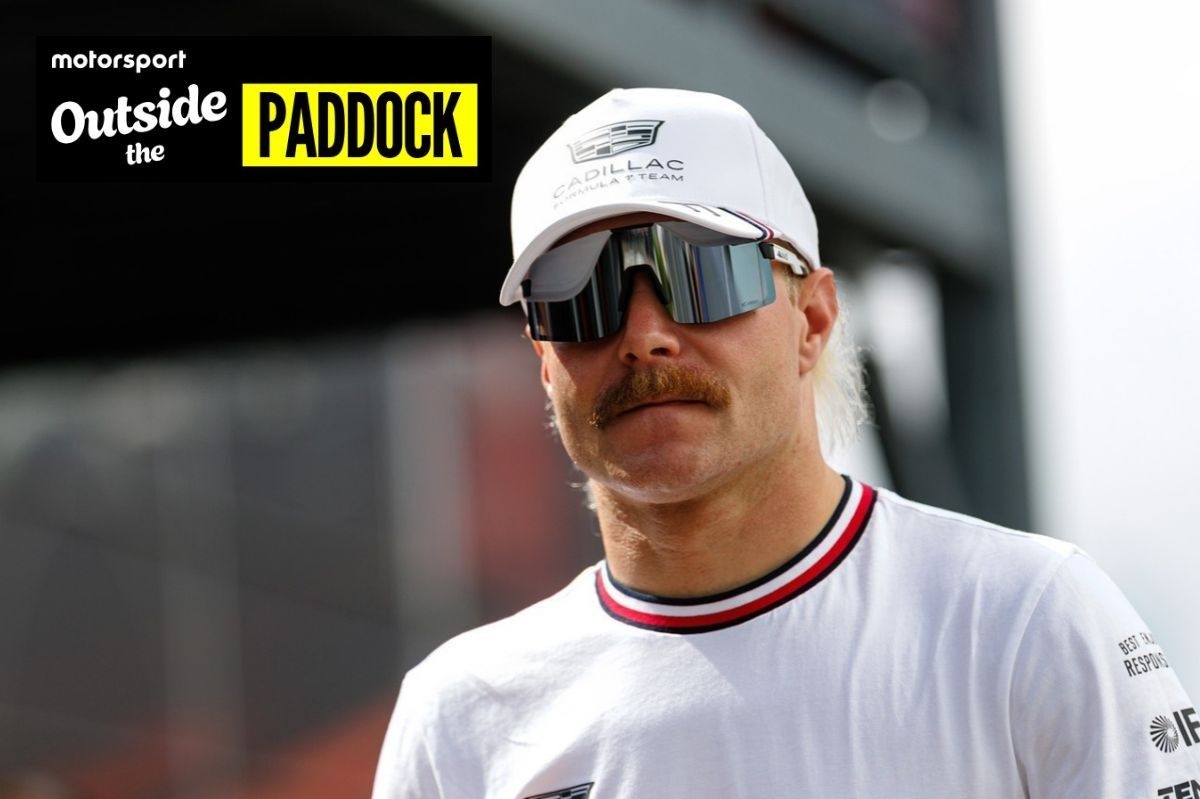

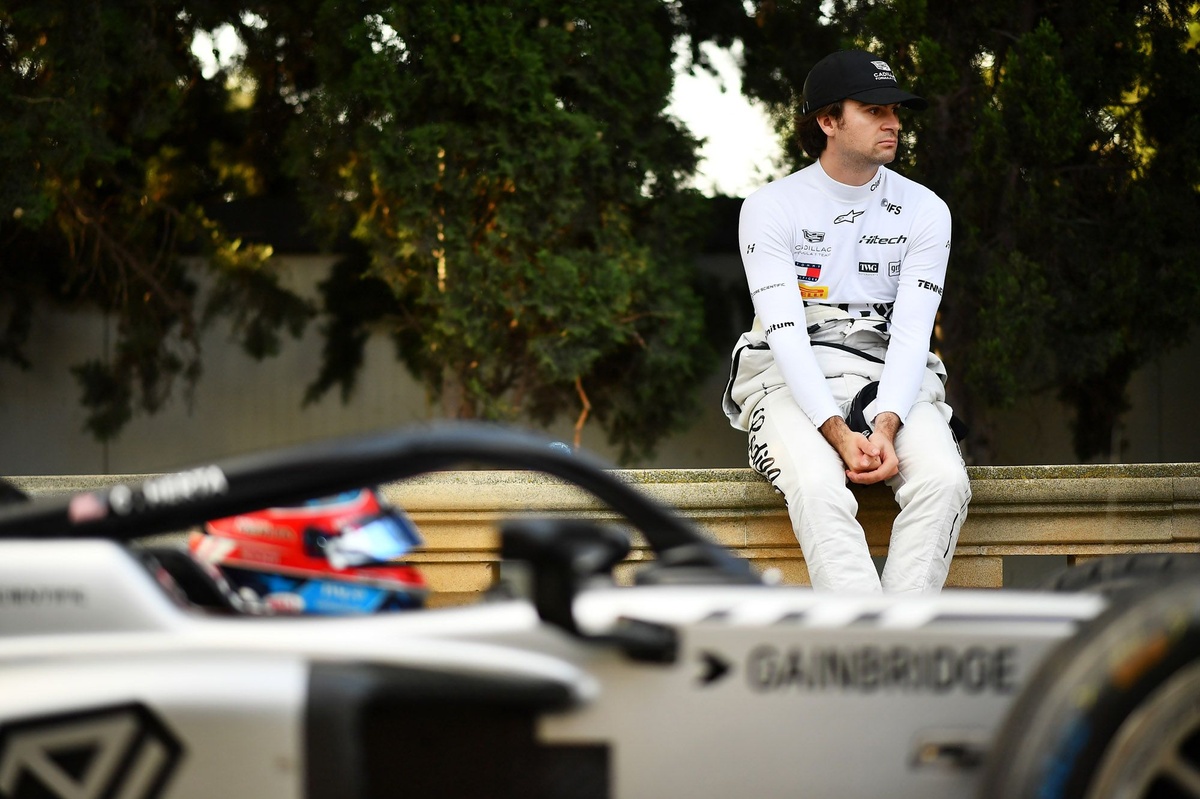

The transition from IndyCar hero to Formula 2 hopeful has proven far more challenging than anticipated for Colton Herta. Despite his undeniable talent, F2 CEO Bruno Michel offers a candid assessment: Herta might have simply underestimated the monumental leap required for the European ladder series.
Key Takeaways
- Colton Herta is currently 19th in the F2 standings, a stark contrast to his IndyCar form.
- F2 CEO Bruno Michel believes Herta and the team “underestimated the difference” in the working environment.
- The limited practice and qualifying format in F2, designed for F1 preparation, poses a significant hurdle.
- Despite his struggles, Herta's long-term F1 ambitions, particularly his connection with Cadillac, remain a key motivation.
The Reality Check: Herta's F2 Struggles
After seven seasons in the American single-seater scene, Colton Herta's highly anticipated return to Europe has hit an unexpected snag. The Californian racer moved across the Atlantic with aspirations of securing a future Formula 1 seat, but currently sits 19th in the F2 drivers' standings.
His performance has reportedly become more difficult as the season has progressed, with multiple crashes adding to the challenge and leaving the driver searching for answers. The struggles have raised questions about his career move and his test and development role with Cadillac's upcoming F1 team, which is set to enter the championship in 2026.
Michel's Insights: The F2-IndyCar Divide
Speaking about Herta's challenging debut, F2 CEO Bruno Michel offered a candid assessment.
“It's been more difficult than what I thought it was going to be, because Colton is a very strong driver, there's no doubt about that,” Michel stated. He added that Herta and the championship may have “underestimated the difference of working environment that we had compared to IndyCar teams.”
His comments highlight the differences between the two racing series. The working environment and operational demands of F2, which serves as a feeder series for F1, have presented a steeper learning curve than anticipated.
Limited Track Time, Maximum Pressure: The F2 Gauntlet
One key factor identified by Michel is the demanding F2 weekend format. Drivers have just 45 minutes of free practice and a 30-minute qualifying session before competing in two races. The limited track time leaves little room to adjust, placing a premium on quick adaptation and precision.
“In 30 minutes, you come up with the right timing, you have two flying laps on sets of tyres on which you have very limited track time,” Michel explained.
The format is designed to mirror the tight schedules and pressures of Formula 1, helping prepare drivers for the sport's highest level. For Herta, adapting to these restrictions has proved more difficult than expected.
What's Next for the American Ace?
Despite the challenges, Michel hopes Herta can finish the season strongly, particularly with the Qatar and Abu Dhabi rounds confirmed to proceed.
“I really hope, sincerely, that he's going to finish the season on a high – he deserves it,” Michel added.
As for Herta's future, another F2 season is not his preferred option. However, with his Cadillac F1 development role in the picture, he has not ruled out other possibilities if they align with the team's long-term plans.
The route to F1 is rarely straightforward, and Herta's experience highlights the adjustment required when moving from an established racing environment into Europe's highly competitive single-seater ladder.