
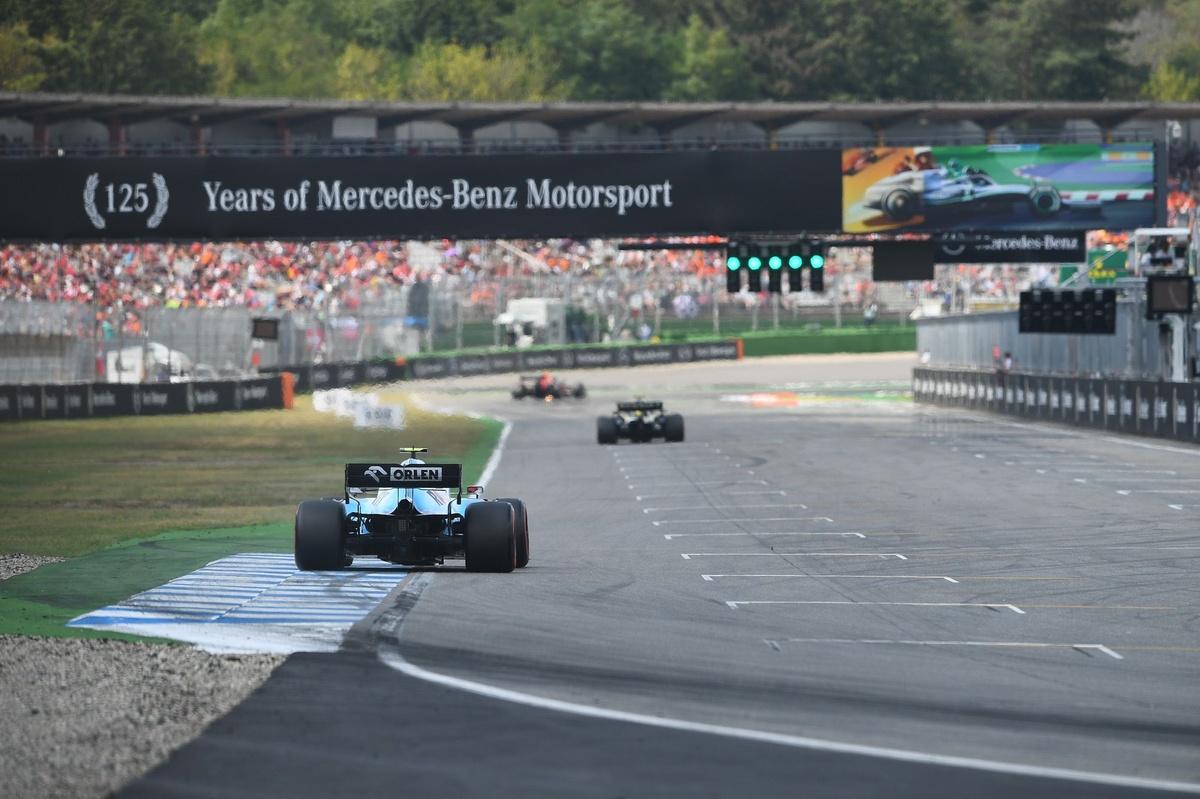

Germany's motorsport heart, the Hockenheimring, is buzzing with the tantalizing prospect of a Formula 1 comeback, but the road back to the calendar is paved with immense financial challenges. Despite its rich history and passionate fanbase, the legendary circuit faces a stark reality: securing a German Grand Prix requires more than just goodwill.
Key Takeaways:
- The Hockenheimring is in active discussions with Formula 1 leadership for a potential return.
- Significant infrastructure upgrades are essential, including expanding seating to 100,000 and a new pit building.
- A critical barrier is the absence of public funding, a contrast to other nations securing F1 deals.
- A one-off race is financially unviable; the circuit seeks a long-term German Grand Prix commitment.
The Echoes of Grand Prix Glory
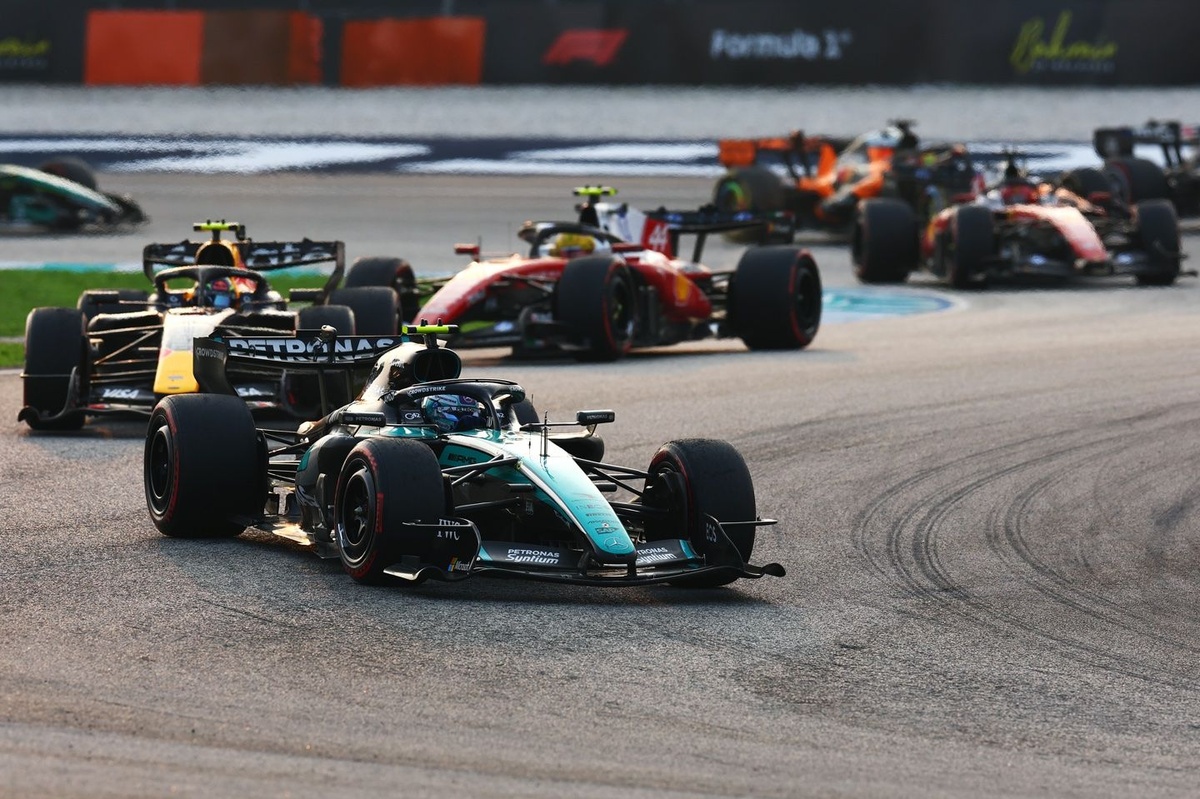
For decades, the Hockenheimring was a staple of the Formula 1 calendar, hosting its first German Grand Prix in 1970. After a long run from 1977 to 2006, it shared duties with the Nurburgring, eventually fading from regular rotation. Its last appearance was in 2019, buoyed by backing from Mercedes, a race still vivid in many fans' minds.
Circuit managing directors Joern Teske and Jochen Nerpel recently revealed their ongoing dialogue with F1. They shared insights with Formel1.de, following the launch of "Motorworld," a sprawling new complex aimed at diversifying the circuit's appeal. While impressive, F1's demands go far beyond a new hospitality hub.
Rebuilding for a Modern F1 Spectacle
Formula 1 today operates on a global scale with a packed 24-race calendar, constantly eyeing new destinations like Rwanda. For Hockenheim to rejoin, the "overall conditions" must be immaculate. Joern Teske emphasized that F1 CEO Stefano Domenicali is looking for comprehensive infrastructure, not just beautiful buildings like Motorworld.
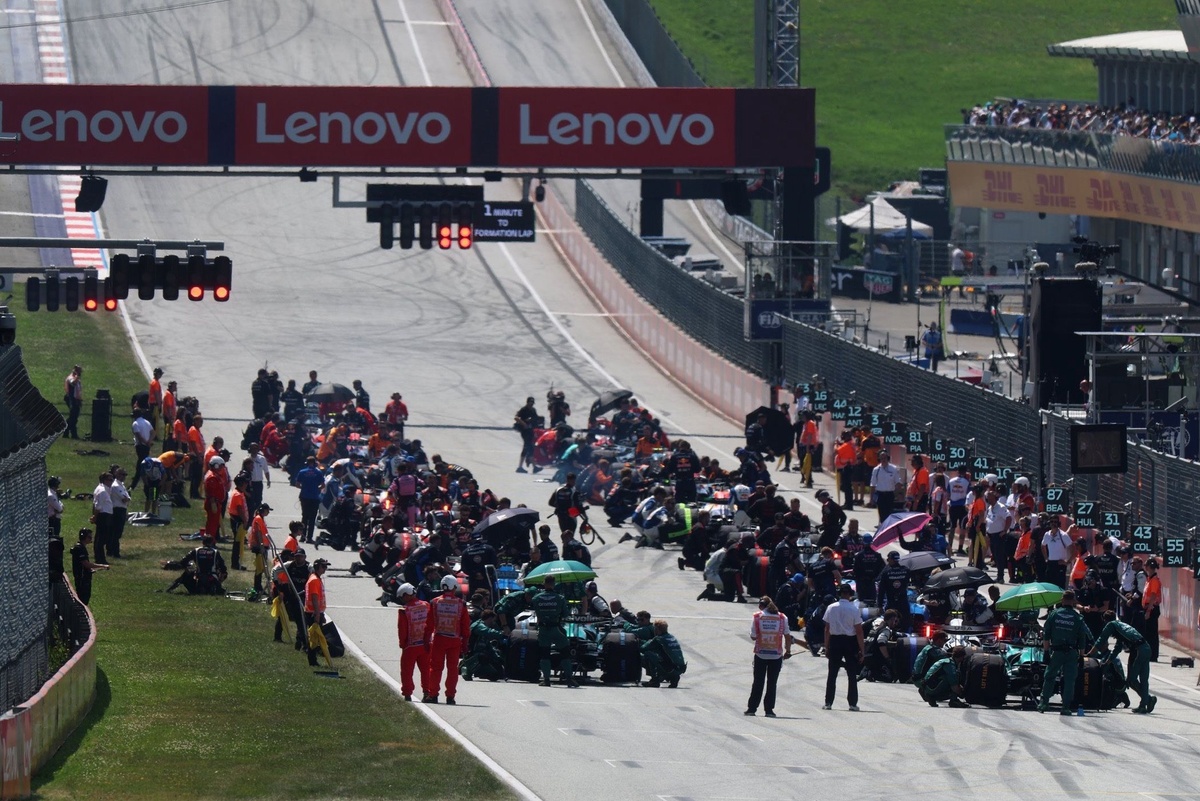
Jochen Nerpel detailed the extensive upgrades needed. The circuit would require temporary grandstands to boost its current 60,000 seats to nearly 100,000 capacity. Furthermore, a larger pit building is crucial to accommodate the modern 11 teams on the grid. These are not minor tweaks but substantial investments reflecting the sport's current scale.
The German Funding Conundrum
The most formidable hurdle, however, remains financial. Nerpel highlighted the stark contrast between Germany's situation and that of countries like Hungary, which can construct state-of-the-art facilities "almost overnight" with governmental support. "It is extraordinary how little standing Formula 1 has in Germany," Nerpel lamented, "a country famous for its automotive industry, and how little support there is for it."
Despite Germany's profound automotive heritage, public funding for an F1 race appears "virtually zero." This lack of governmental backing makes it incredibly difficult for a historical venue like Hockenheim to compete with nations where hosting a Grand Prix is a matter of national pride and policy.
A Long-Term Vision, Not a Quick Fix
The circuit's directors are also clear about their goals: a secure, multi-year contract. Teske explicitly stated that a one-off replacement race, while offering a brief media spotlight, would "certainly wouldn't be worthwhile" from a financial standpoint without a long-term commitment. The effort and investment required for a single event would simply not justify the returns.
Hockenheim's Enduring Legacy
Despite the current challenges, Hockenheimring holds a special place in F1 history. Many current drivers, 14 out of 22, have raced on its iconic tarmac. Legends like Fernando Alonso and Lewis Hamilton have each claimed three victories here, while Max Verstappen took his only Hockenheim win in 2019. Unsurprisingly, the undisputed king of the German Grand Prix at Hockenheim is local hero Michael Schumacher, with an incredible four wins. Fans worldwide undoubtedly crave to see F1 machines thunder through its stadium section once more. The question remains: can the financial gap be bridged to bring that dream to reality?