
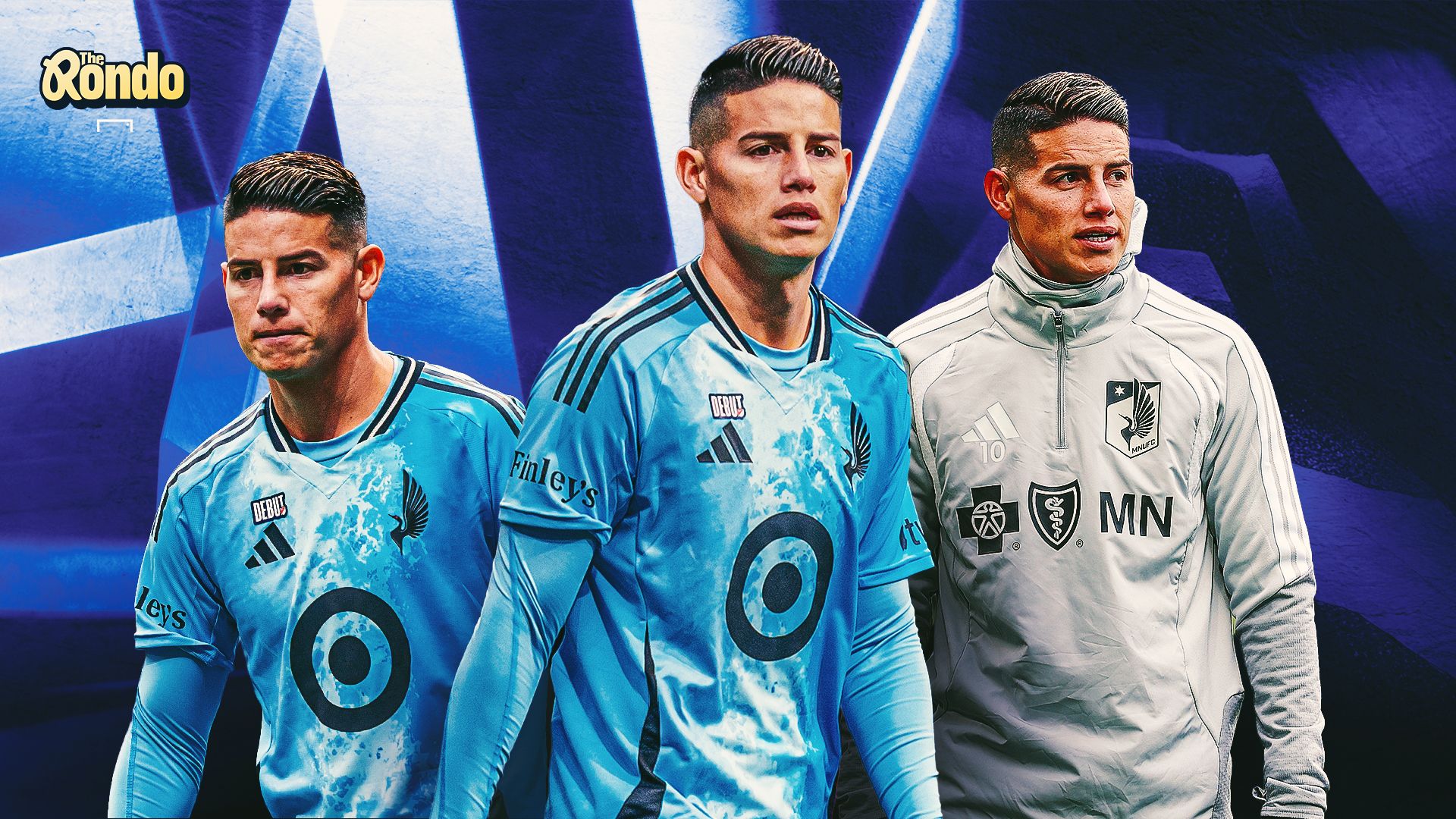

James Rodriguez's brief dance with Minnesota United was a whirlwind of expectation, fleeting glimpses of brilliance, and an all-too-predictable departure. While his presence undeniably elevated the club's global profile, his on-field contribution ultimately amounted to little more than a whisper.
Key Takeaways from the James Rodriguez Saga:
- James Rodriguez brought global visibility and kit sales but delivered minimal on-field impact for Minnesota United.
- His short tenure was widely perceived as a temporary fitness stint, primarily focused on preparing for the Colombia national team.
- The "situationship" model, where stars have fleeting stays, raises questions about MLS's global perception as a serious, competitive league.
- Despite the mixed results, Minnesota showcased significant ambition, setting a precedent for attracting future high-profile, yet more committed, talent.
The Loons' Bold Gamble: A Fleeting Star
The signing of James Rodriguez was a monumental statement of intent by Minnesota United, signaling a new era of ambition for "The Loons." Yet, from a pure footballing standpoint, the move delivered precious little. Rodriguez managed just over 100 minutes of play, showing only flashes of the talent that once captivated the world stage.
Critics argue that his impact on the pitch was negligible, offering little tangible benefit to the team's immediate competitive goals. However, the club undoubtedly reaped rewards in terms of global visibility and a significant surge in merchandise sales. For a club outside the traditional MLS big markets, this brand elevation cannot be entirely dismissed.
A Temporary Arrangement: National Team Priorities
Predictable Farewell
Was anyone truly surprised by James Rodriguez's early exit? The writing was on the wall from the moment his short-term contract was announced. This was never a long-term commitment but rather a strategic play for both parties. Rodriguez sought a high-level environment to regain fitness and sharpness ahead of crucial international duties with Colombia, a priority that clearly overshadowed sustained club engagement.
His focus on the national team, particularly with major tournaments on the horizon, meant that a permanent fixture in MLS was always unlikely. The arrangement served its purpose for Rodriguez, allowing him a run-out without the pressure of a full season's commitment.
MLS & the "Situationship" Debate
Beyond Shirt Sales
The phenomenon of star players making brief, often high-profile, stints in leagues like MLS sparks a crucial debate: are these "situationships" ultimately good for the league? While they undeniably generate initial buzz and boost jersey sales, they can also reinforce the perception of MLS as a "retirement league" or a temporary stopover rather than a serious, competitive destination.
In contrast, top American sports leagues generally prioritize sustained on-field impact. Imagine the scrutiny if an NBA team signed a superstar primarily for shirt sales, with winning as a secondary concern. While historically there have been publicity-driven signings – from soccer legend Eusebio playing scattered games in the NASL to Tim Tebow's ventures in football and baseball – the modern MLS aims for more than just fleeting attention. The league needs stars who are present, engaged, and consistently contribute to the product to truly elevate its global standing.
What's Next for Minnesota United?
Building on Ambition
The James Rodriguez chapter closes, but it offers valuable lessons and a path forward for Minnesota United. "The Loons" proved that small-market MLS teams can indeed attract players of international renown. This ambition is a powerful recruiting tool, signalling to future targets that Minnesota is a club willing to make bold moves.
The challenge now is to leverage that newfound muscle to sign stars who are committed for the long haul – players who not only bring name recognition but also consistently deliver on the pitch. Minnesota is currently performing well, sitting fifth in the Western Conference, and can build on this foundation. The next big signing should aim for sustained impact, helping The Loons not just sell kits, but genuinely compete for silverware. The ambition has been shown; now it's about making it stick.