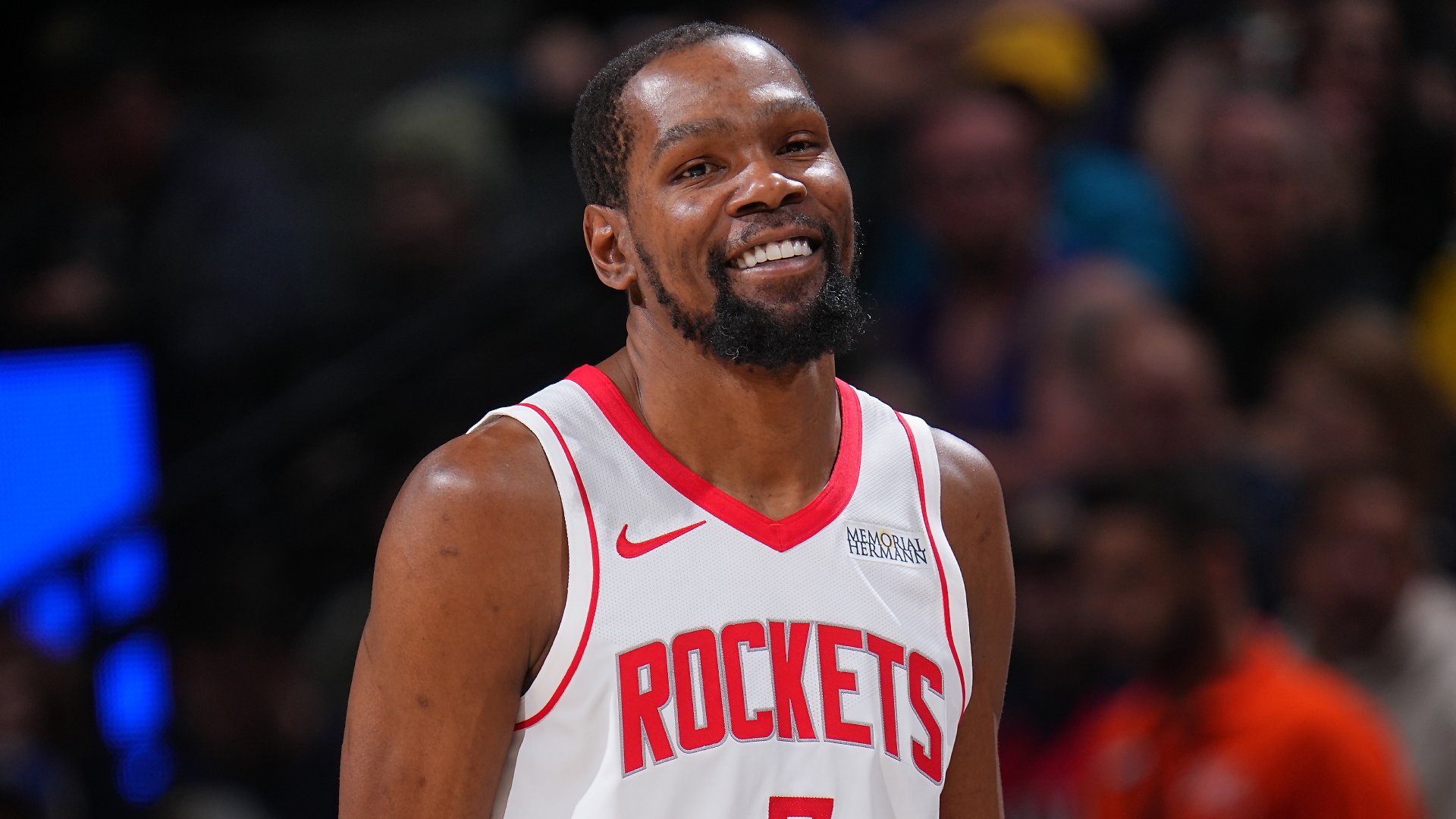

Prepare for a seismic shift in NBA history! A scoring titan is about to eclipse a legend, rewriting the record books in dramatic fashion. Kevin Durant, the prolific forward for the Phoenix Suns, stands on the precipice of surpassing Michael Jordan to claim the No. 5 spot on the NBA’s all-time scoring list. This isn't just a number; it's a testament to unparalleled skill, unwavering dedication, and incredible longevity.
Key Points:
- Kevin Durant is set to pass Michael Jordan for 5th on the NBA's all-time scoring list.
- The Phoenix Suns star needs just 69 points to eclipse Jordan's 32,292 career points.
- Durant's unique blend of versatility and sustained elite performance defines his remarkable ascent.
- Modern NBA dynamics, including rule changes and pace, have significantly shaped today's high-scoring era.
The Inevitable Rise of a Scoring Dynamo
For generations of basketball fans, Michael Jordan has represented the pinnacle of individual achievement. Now, Kevin Durant, a player from a different era, is about to climb past him on a monumental career milestone. Entering Wednesday’s game against the Lakers, Durant needs a mere 69 points to move beyond Jordan's 32,292 career points, officially cementing his place among the top five scorers in NBA history. This is a monumental "flex" for even a player of Durant's caliber.
At 35 years old, Durant has consistently trended towards this moment. His career has been a masterclass in bucket-getting, marked by a relentless stream of high-20s scoring averages and the kind of sustained excellence that creates these historic opportunities. Durant himself acknowledges the significance: “It’s pretty cool to be in the same category as some of the greats that ever played the game. They’ve added so much to the game that have inspired me to stick around this long.”
A Scoring Chameleon: Adapting to Any Attack
What makes Durant truly unique in the pantheon of scorers? His chameleon-like ability to score from anywhere, against anyone. Whether it’s attacking the rim, draining a mid-range jumper, or pulling up from downtown, he possesses an arsenal that few can match. This diverse offensive package has made him lethal for nearly two decades and an impossible assignment for even the league's top defenders.
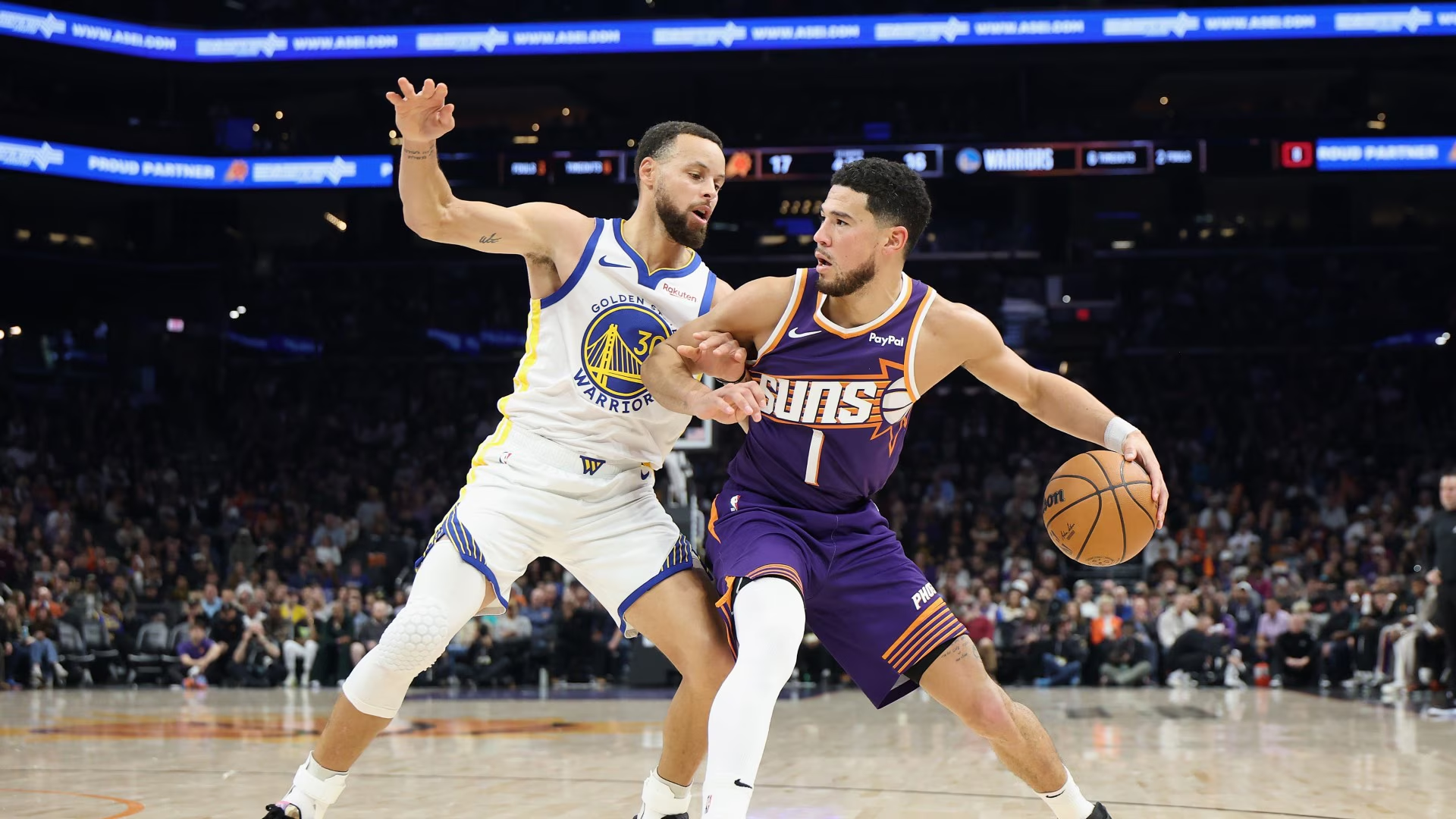
This scoring versatility has also allowed Durant to seamlessly integrate into any offensive system. He’s thrived alongside Russell Westbrook in Oklahoma City, formed an unstoppable duo with Stephen Curry at the Golden State Warriors, and dominated alongside James Harden and Kyrie Irving in Brooklyn. Now, with the Phoenix Suns, he continues to showcase his elite scoring prowess alongside Devin Booker. His trademark efficiency, a career 50.3% shooter, ensures he elevates rather than detracts from his teammates' scoring opportunities.
Crucially, Durant's climb is even more impressive considering significant time missed. He sat out the entire 2019-20 season and played only 35 games in 2020-21 while recovering from a devastating Achilles injury. Had it not been for that setback, he would have reached this milestone even sooner.
The Modern Scoring Landscape: Era's Influence
While Durant's individual brilliance is undeniable, it's also important to acknowledge the evolving NBA landscape that has facilitated higher scoring totals across the board. Durant benefits from an era that actively promotes offense, offering more freedom, space, and avenues to score than ever before. This context doesn’t diminish his accomplishments but helps explain the current scoring explosion.
Unleashing the Offense: Rule Changes and Pace
The league consciously shifted towards an offense-friendly environment in recent decades. Gone are the days of aggressive hand-checking, replaced by rules that prioritize fluidity and skill. This has made the game less physical and allowed offensive players to operate with unprecedented freedom. The evolution of dribbling, with moves like the crossover and hesitation now widely accepted, further empowers attackers to blow past defenders and create high-percentage looks. A faster pace and wider floor spacing also contribute, leading to more possessions and often, more one-on-one matchups.
The Three-Point Revolution and Perimeter Dominance
Perhaps the most significant change is the omnipresent three-point shot. Unlike past greats like Pete Maravich, Jerry West, or even Michael Jordan himself, today's stars have a weapon that wasn't fully embraced by earlier generations. Durant, despite attempting over 2,000 fewer shots than Jordan in his career, is set to surpass him largely due to his volume and efficiency from beyond the arc. The game has also largely moved away from the traditional post-up big man, funneling more scoring opportunities to elite wing players like Durant.
Longevity and Modern Player Development
Today's athletes benefit from advanced modern medicine, cutting-edge therapy, and sophisticated training regimens. This allows superstars to maintain peak physical condition and extend their careers well into their late 30s. This commitment to player longevity, driven by both athlete desire and franchise investment, ensures that players like Durant can continue accumulating points for a much longer period than their predecessors.
What's Next for KD on the All-Time Ladder?
Passing Michael Jordan is an incredible achievement, but the all-time scoring list stretches even higher. After this milestone, Durant will be looking up at an exclusive club: Kobe Bryant (33,643 points), Karl Malone (36,928 points), Kareem Abdul-Jabbar (38,387 points), and the active, record-holding LeBron James.
The climb won't be easy, but it's certainly within reach. He could realistically pass Kobe Bryant next season. Catching Karl Malone might require another two seasons at his current prolific pace.
The Chase Continues... Or Does It?
The ultimate challenge lies in reaching the top two. Surpassing Kareem Abdul-Jabbar would demand roughly four more seasons of playing around 65 games per campaign while maintaining an elite average of 25 points per game — a monumental task for a player entering his late 30s.
When asked about reaching the very top, Durant candidly reflected: “I don’t know if I could get 25 a game for 270 more games, brother. I never wanna say never, but those dudes set the bar so high. I think about the top three or four, you gotta play at least 20 years in the league to even reach that, and still be at that level for 15 or 20 years.” He prioritizes longevity and simply being in the league, rather than obsessing over the absolute top spot.
One thing is clear: Durant's desire to play the game he loves remains undimmed. He will continue to hoop until his body tells him otherwise, and his elite production shows no immediate signs of a steep decline. The NBA will be watching closely as he continues to etch his name deeper into the annals of basketball history.