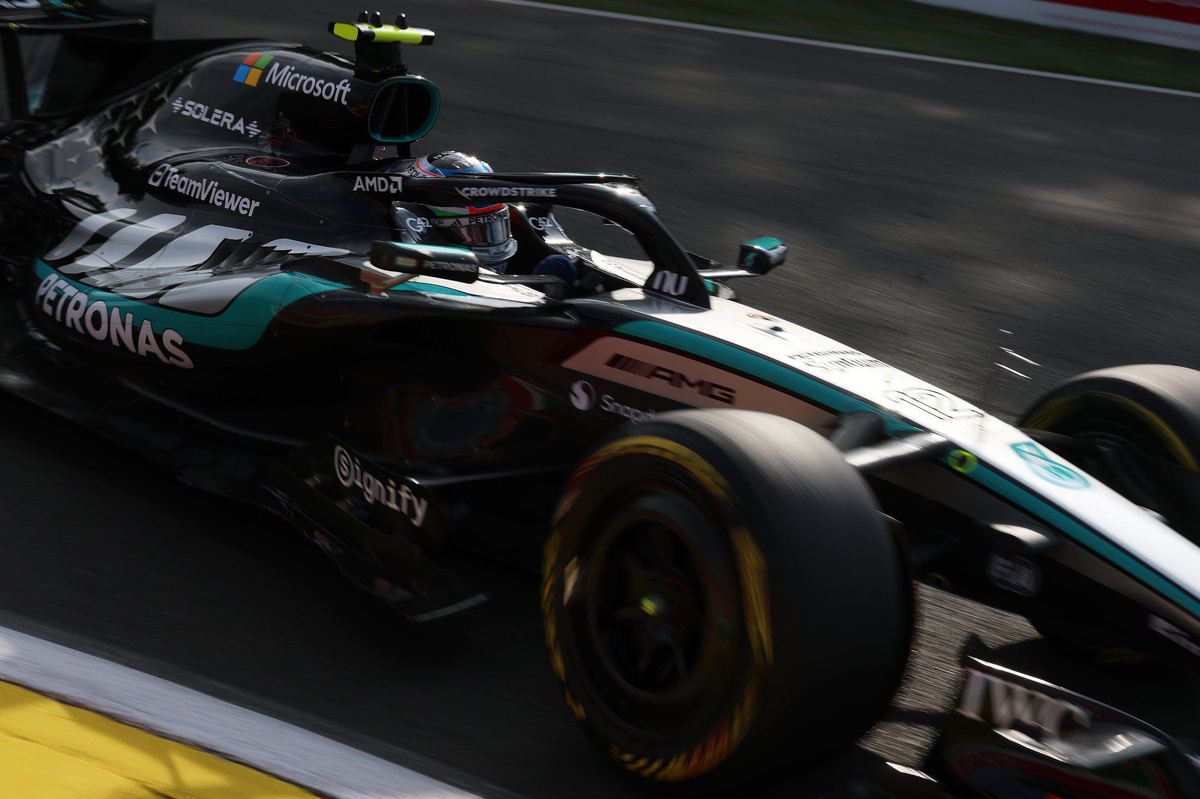

Six victories, six pole positions, and a commanding lead in the Formula 1 standings—Kimi Antonelli has firmly established himself as the driver to beat in 2026.
Key Highlights
- Antonelli heads into the summer break leading the championship after six wins and six pole positions.
- His aggressive corner-entry technique suits the 2026 regulations, helping him maximize tyre performance.
- Mercedes' rising star has transformed a former weakness at Spa into a statement victory.
- Experts believe the new-generation F1 cars reward attacking drivers over smoother steering inputs.
The Phenomenal Rise of Kimi Antonelli
His victory at Spa-Francorchamps carried extra significance. Just 12 months earlier, the Belgian Grand Prix had been one of the lowest points of his rookie campaign, with rear suspension issues leaving him unable to trust the car. Returning to the same circuit and claiming victory not only secured his place atop the championship before the summer break but also highlighted how much the Mercedes driver has evolved.
Why the 2026 Cars Demand a Different Driving Style
The final years of the previous ground-effect era produced incredibly stable cars, but they could become unpredictable once drivers exceeded the limit. Flexible aerodynamic components were developed to improve stability, yet recovering from sudden oversteer remained extremely difficult.
Another major challenge came during corner entry, where drivers had to brake and steer simultaneously—a phase known as combined loading. Since Formula 1 switched from 13-inch to 18-inch tyres, the reduced sidewall height created a smaller contact patch, making the transition from grip to sliding much sharper.
Pirelli's Head of Motorsport, Dario Marrafuschi, explained that the shorter contact patch provides drivers with much less warning before grip disappears, making precise car control even more critical.
Narrower Tyres Make Corner Entry Even Tougher
McLaren Team Principal Andrea Stella noted that avoiding front tyre lock-ups while maintaining rear stability is now one of the biggest technical challenges drivers face. Unlike the previous generation of cars, the new machines feature a less stable rear end but deliver more predictable aerodynamic behaviour. That allows skilled drivers to manipulate the car's balance more aggressively.
According to Marrafuschi, some drivers intentionally apply a rapid steering input when entering corners. This temporarily overloads the front tyres, helping stabilize the rear before grip builds progressively. While effective, the technique also increases tyre wear and temperatures.
Antonelli's Signature Technique Fits the New Formula
One of Antonelli's defining characteristics is his aggressive approach to corner entry. Rather than taking a smooth arc into the corner, the Italian prefers to "shorten" the radius by braking later before making a sharp steering input that rotates the car quickly toward the apex. The technique demands exceptional car control, particularly in low- and medium-speed corners.
Antonelli previously described his philosophy as trying to "fold the corner up like a handkerchief," attacking the final phase of braking before rotating the car aggressively. However, he also acknowledged that the style isn't universally effective. High tyre degradation or fast, sweeping circuits such as Silverstone require adjustments to avoid excessive tyre wear. Even during his Spa victory, his distinctive steering technique was clearly visible through La Source and the final chicane.
Russell and Antonelli Show Two Different Driving Philosophies
The contrast between Antonelli and teammate George Russell has become increasingly noticeable. Russell favors smoother, more progressive steering inputs—a style that proved highly effective during the ground-effect era. Antonelli, meanwhile, embraces sharper, more aggressive movements that appear better suited to the demands of the 2026 regulations.
Andrea Stella pointed to onboard footage as clear evidence of their differing techniques, adding that Antonelli's impressive race pace in events such as Monaco and Canada cannot be explained by car performance alone. The way he manages the tyres also plays a major role.
While setup, tyre management, and team performance remain crucial, Mercedes appears to have a driver whose instincts align remarkably well with the characteristics of the new-generation cars. As the championship enters its second half, Antonelli's ability to extract performance where others struggle could prove to be one of the decisive factors in the 2026 title fight.