The roar of expectation for another Kimi Antonelli miracle in Baku was palpable, but Mercedes knew this wasn't Monza 2.0. Despite a brutal start to the Azerbaijan Grand Prix weekend, the young star navigated chaos to clinch a commendable P5 finish, a testament to his evolving racecraft rather than raw speed.
Key Takeaways from Antonelli's Baku Battle:
- Challenging Start: Technical woes in practice and a costly Q1 crash meant Antonelli faced an uphill climb from P16.
- Strategic Recovery: Unlike his blistering Monza ascent, Baku demanded patience and strategic thinking, propelling him from P17 on Lap 1 to P5.
- Circuit Differences: Mercedes deputy team principal Bradley Lord emphasized that Baku's unique layout and overtaking challenges made a repeat of Monza's dominant drive unrealistic.
- Damage Limitation Masterclass: Antonelli showcased maturity, avoiding major incidents and expertly managing a car with reduced downforce after contact.
From Grid Scramble to Points Haul: The Baku Gauntlet
The weekend began on the back foot for Kimi Antonelli. A technical glitch severely limited his track time in Thursday's practice, leaving him with a mere 25 laps compared to his rivals' 45. This lack of crucial setup time culminated in a heavy crash into the Turn 1 wall during Q1, relegating him to a tough P16 starting spot.
The "nothing to lose" bravado he initially displayed after qualifying quickly gave way to a more pragmatic, almost "driving like his grandmother," approach in the race.
Why "Monza 2.0" Was Never On The Cards
Mercedes deputy team principal Bradley Lord was clear: comparing Baku to Monza was misguided. "Baku is a very different circuit, different overtaking difficulty, different challenges," Lord stated. "It was important not to come into the race thinking this is going to be Monza 2.0."
The lost practice sessions and the qualifying incident meant Antonelli missed vital reference points for pushing the car to its absolute limit, impacting his raw pace compared to teammate George Russell.
A Drive of Intuition and Foresight
Despite dropping to P17 on the opening lap, Antonelli recovered with intelligent racing. He steadily picked his way through the field, reaching the top ten by Lap 17. Crucially, his "good grasp of the big picture" shone through at the safety car restarts. Lord praised Antonelli's intuition in anticipating and avoiding a multi-car pile-up at Turn 1, letting him navigate the chaos and surge forward, even with minor damage from a Haas.
The Numbers Game: Pace & Downforce Impact
While Antonelli's recovery was impressive, his pace relative to George Russell revealed the weekend's challenges. He consistently trailed his teammate, averaging 0.447s and then 0.619s slower during key race stints.
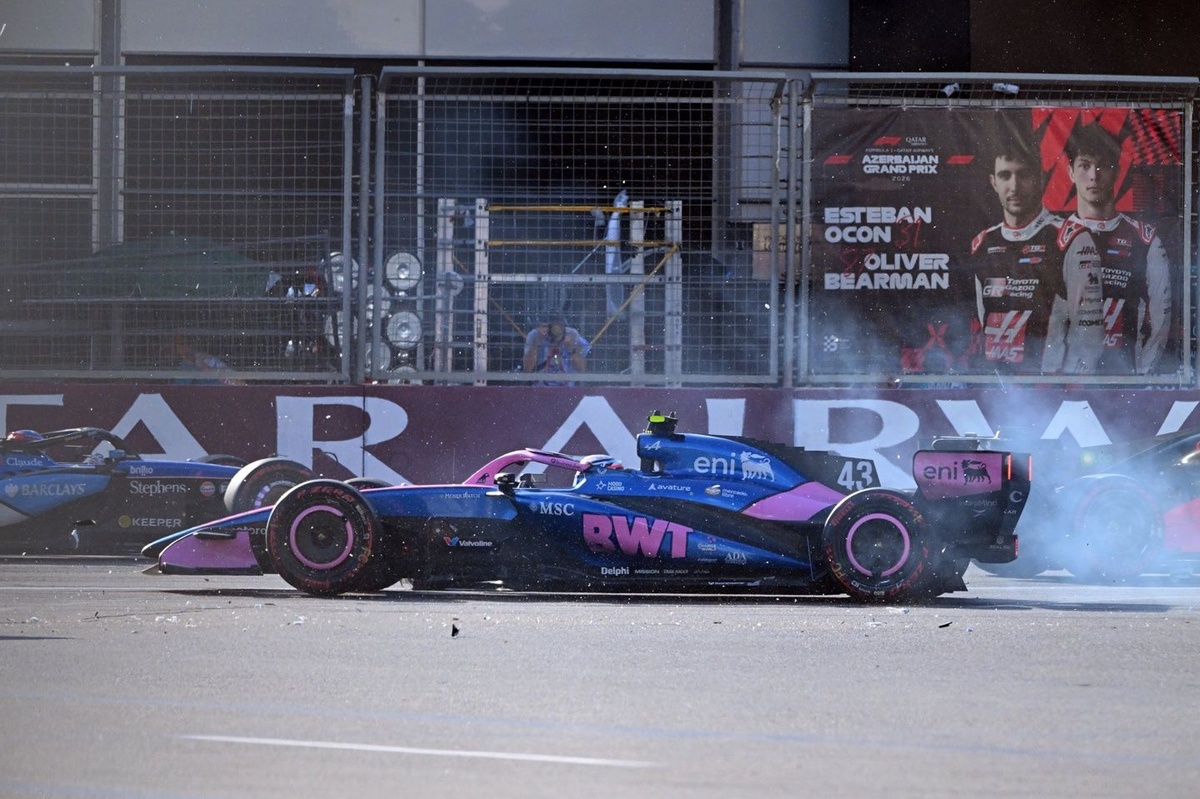
This deficit was further exacerbated by contact with Oliver Bearman during the second restart, costing him an estimated 10 points of downforce – roughly 0.2 seconds per lap. This explains why, even with a clean run, he wasn't matching Russell's front-running speed.
Mercedes' Confidence Remains Undimmed
Lord downplayed any potential psychological impact from George Russell's dominant victory. "Antonelli is setting himself his own high standards," he affirmed. The team values having two drivers capable of challenging at the front. Antonelli's resilient P5 finish, marked by strategic brilliance and mistake-free driving under pressure, clearly signals his continued development and adaptability – qualities Mercedes will be banking on for future successes.