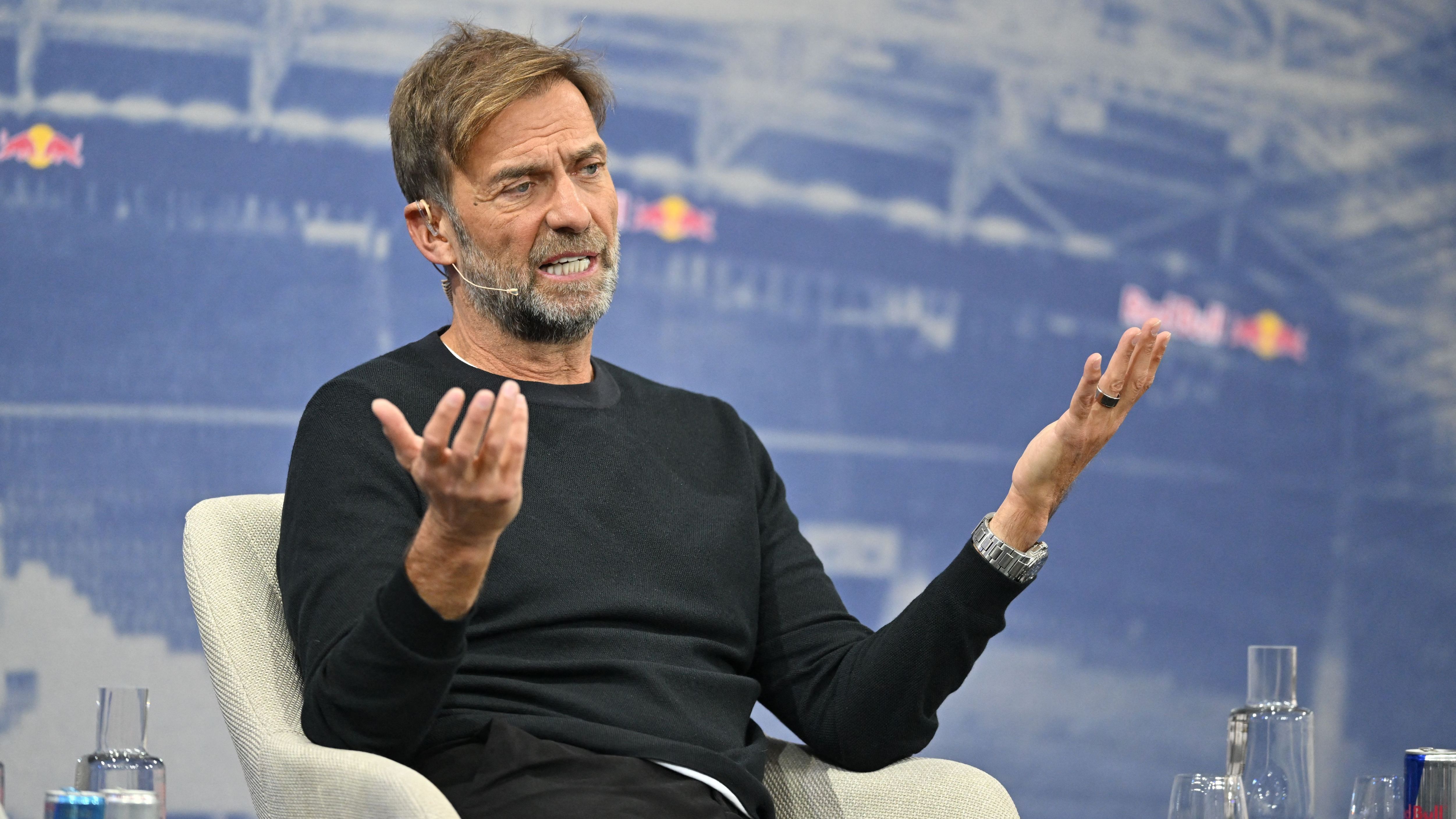

Klopp & Pochettino Blast FIFA: World Cup Becomes Ad Show
Football's soul is under siege, and two of the biggest names in the sport are refusing to stay silent. The 2026 FIFA World Cup is already facing a firestorm of criticism over its controversial hydration breaks, with legendary manager Jurgen Klopp leading the charge against what he labels an "advertising show." His passionate condemnation, echoed by USMNT boss Mauricio Pochettino, highlights a growing concern that commercial interests are now dictating the very rhythm of the beautiful game.
Key Points:
- Jurgen Klopp and Mauricio Pochettino blast FIFA's mandatory hydration breaks.
- Breaks are 3 minutes long, occurring 22 minutes into each half.
- Coaches argue commercial gain, not player safety, is the true motivation.
- Broadcasters are cashing in, treating the World Cup like a "six-week summer Super Bowl."
Klopp Ignites Debate: Is Football Held Hostage?
Klopp's powerful words on German broadcaster ZDF cut through the corporate spin. He didn't mince words, accusing executives in "air-conditioned offices" of dictating the sport's flow for their own gain. For Klopp, seeing players idly standing during breaks felt like a stark betrayal of the game's essence. "Who does the World Cup really serve?" he questioned, aiming directly at FIFA's priorities.
The 'Advertising Show' Outrage
The official line from FIFA insists these three-minute pauses, initiated 22 minutes into each half, are for player welfare amid intense summer heat. However, the optics suggest a different agenda. Klopp passionately described the game's organic tempo being shattered, likening it to "building dams" in a flowing river just for commercials. He believes these breaks are "nothing more than a gilded cage built for sponsors."
Tactical Disruption vs. Commercial Opportunity
The sentiment that these pauses are more about ad revenue than athlete health is gaining traction. This isn't just about a quick drink; it's about disrupting tactical momentum and providing lucrative TV timeouts.
Pochettino Joins the Chorus of Discontent
Klopp isn't alone in his fury. USMNT head coach Mauricio Pochettino has also publicly voiced strong disapproval. He stated he only sees the necessity for such interruptions in truly "extreme conditions." When the climate is manageable, Pochettino believes the breaks are "unnecessary," directly challenging FIFA's blanket application of the rule. This unified stance from two prominent coaches amplifies the criticism significantly.
Fan Experience Under Scrutiny
The controversy extends beyond the pitch. Fans have also faced confusing and restrictive policies regarding bringing their own water into stadiums. FIFA even performed a "major stadium policy U-turn" on reusable bottles. This "flip-flopping" only reinforces the perception that every logistical decision is driven by maximizing commercial gain, often at the expense of player well-being and fan convenience.
Broadcasters Cashing In: The 'Summer Super Bowl'
While coaches and fans lament the impact on the game, broadcasters are undoubtedly celebrating. In the United States, FOX Sports has come under fire for running full-screen advertisements during these interruptions. Commentators even announced that "this hydration break is powered by Powerade," making the commercial motive undeniably clear. The financial upside for networks is immense.
ITV managing director Kelly Williams openly declared this "our most commercially successful tournament ever," dubbing it a "six-week summer Super Bowl moment." For purists like Klopp, this blatant commercialization threatens the very soul of the sport. The debate over World Cup hydration breaks exposes a wider tension between sporting integrity and corporate profitability. As the tournament unfolds, the world will watch to see if the beautiful game can resist being fully transformed into a mere advertising vehicle.