The 2026 World Cup in North America is still years away, yet a rule change designed for player welfare has already ignited a passionate debate, with Jürgen Klopp offering a surprisingly candid and humorous defense amidst widespread criticism. FIFA's decision to implement scheduled hydration breaks at the midway point of each half across matches in the United States, Canada, and Mexico is meant to combat the region's sweltering summer heat. However, not everyone in the footballing world agrees on its benefits.
- FIFA is mandating hydration breaks in all 2026 World Cup matches for player safety.
- Jürgen Klopp supports the stoppages, citing player protection and even personal convenience.
- Thomas Tuchel and Virgil van Dijk argue the breaks disrupt game rhythm and tactical integrity.
- FIFA stands firm, emphasizing equal conditions for all teams and denying profit motives.
Klopp's Unexpected Endorsement
While many have slammed the mandatory stoppages, former Liverpool boss Jürgen Klopp has found a silver lining, even a comedic one. Acknowledging the extreme heat, he agrees the breaks are "good for the players," prioritizing their physical well-being. However, he cheekily admitted they're "definitely too long" just for drinking.
Beyond player welfare, Klopp, at 59, also appreciates a more personal benefit. He light-heartedly revealed that for someone his age, these breaks offer a "welcome break to go to the toilet!" He also noted the stadium experience, like cheerleaders in Dallas, can be enjoyable during the pause, contrasting it with potentially dull TV commercials.
Tactical Disruptions: A Coach's Headache
The jovial Klopp stands in stark contrast to other high-profile figures. England manager Thomas Tuchel has voiced significant frustration, arguing that the frequent interruptions fundamentally alter a football match's character. For coaches who build their strategy around relentless pressure and maintaining high intensity, a reset every 22 minutes can be a tactical nightmare.
Tuchel stated that the breaks "change the identity of a football match much more than I thought." He believes they effectively divide the game into "four quarters," disrupting the natural flow and rhythm that define top-tier football.
Van Dijk's Call for Flexibility
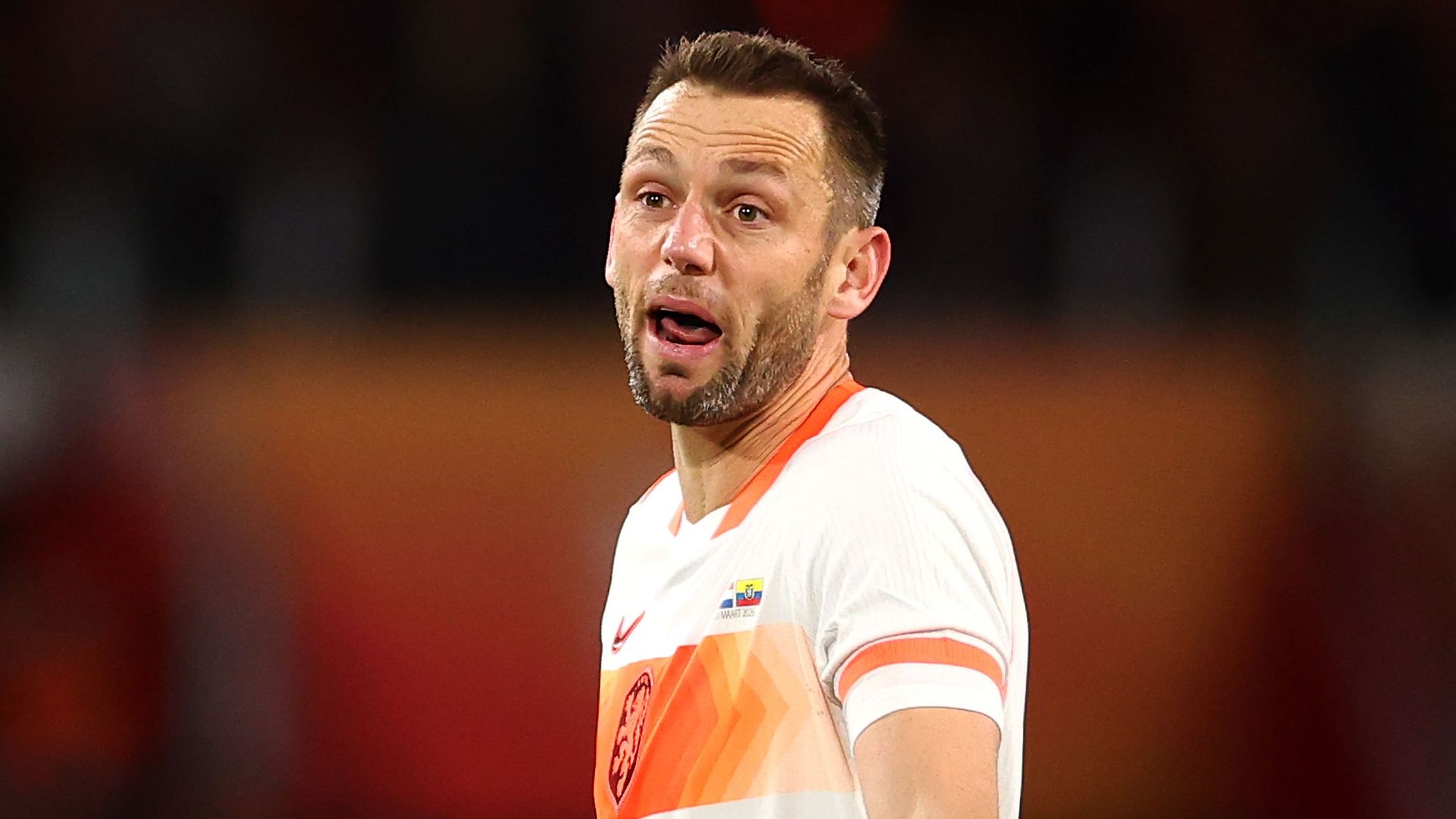
Adding to the chorus of disapproval, Netherlands captain Virgil van Dijk has called for a more nuanced approach. While he understands the need for hydration in extreme heat, Van Dijk criticizes the blanket rule, especially its impact on spectators. He feels it's not "great" for "neutral watchers on TV" when games consistently cut to commercials.
Van Dijk advocates for a game-by-game assessment, suggesting that breaks should be implemented only when genuinely necessary due to heat, rather than being a universal mandate. His concern highlights the fan experience, which often takes a backseat in such policy debates.
FIFA's Unwavering Commitment to Equity
Despite the vocal opposition from players and coaches, and even visible dissent from fans in the stands, FIFA remains resolute. The global governing body has no intention of abandoning the breaks mid-tournament, steadfastly maintaining that player safety is paramount.
A FIFA spokesperson confirmed their stance to the Press Association, stating, "We want to ensure equal conditions for everyone and that’s why these breaks are implemented in every match." FIFA President Gianni Infantino has also echoed this commitment, explicitly denying claims that the organization is profiting from increased advertising during these stoppages. Their focus, they insist, is solely on creating a fair and safe environment for all competing teams.