

The Fast Break Fails: Spurs' Uncharacteristic Stumble
For a team known for its blistering pace and opportunistic scoring, the San Antonio Spurs find themselves in an unfamiliar and uncomfortable position. Their signature transition offense, a cornerstone of their playoff run, has inexplicably vanished in the glare of the NBA Finals spotlight.
Remarkably, the Spurs are actually getting more transition possessions in this series – 28.5 per game compared to their 24.9 average in the previous rounds. The issue isn't opportunity; it's execution. Their 0.84 points per possession (PPP) in transition against the Knicks is a stunning drop from 1.14 PPP earlier in the playoffs, a mark that would have been the worst in the entire regular season.
| Season/round | POSS/G | PTS/G | PPP | Rank |
|---|---|---|---|---|
| Regular season | 24.1 | 27.7 | 1.15 | 13 |
| First 3 rounds | 24.9 | 28.4 | 1.14 | 6 |
| Finals | 28.5 | 24.0 | 0.84 | 2 |
New York's Defensive Masterclass
The Wall of Blue and Orange
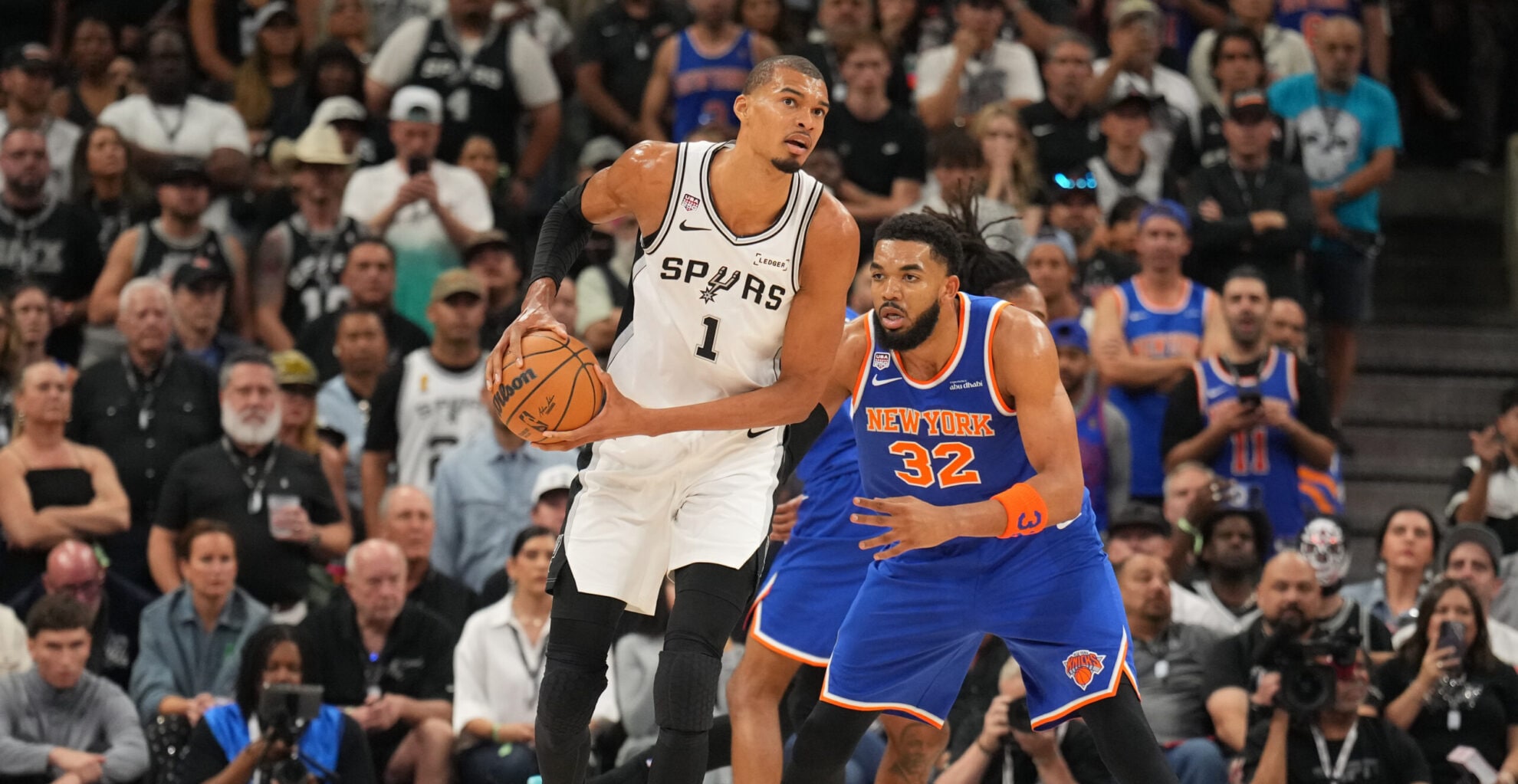
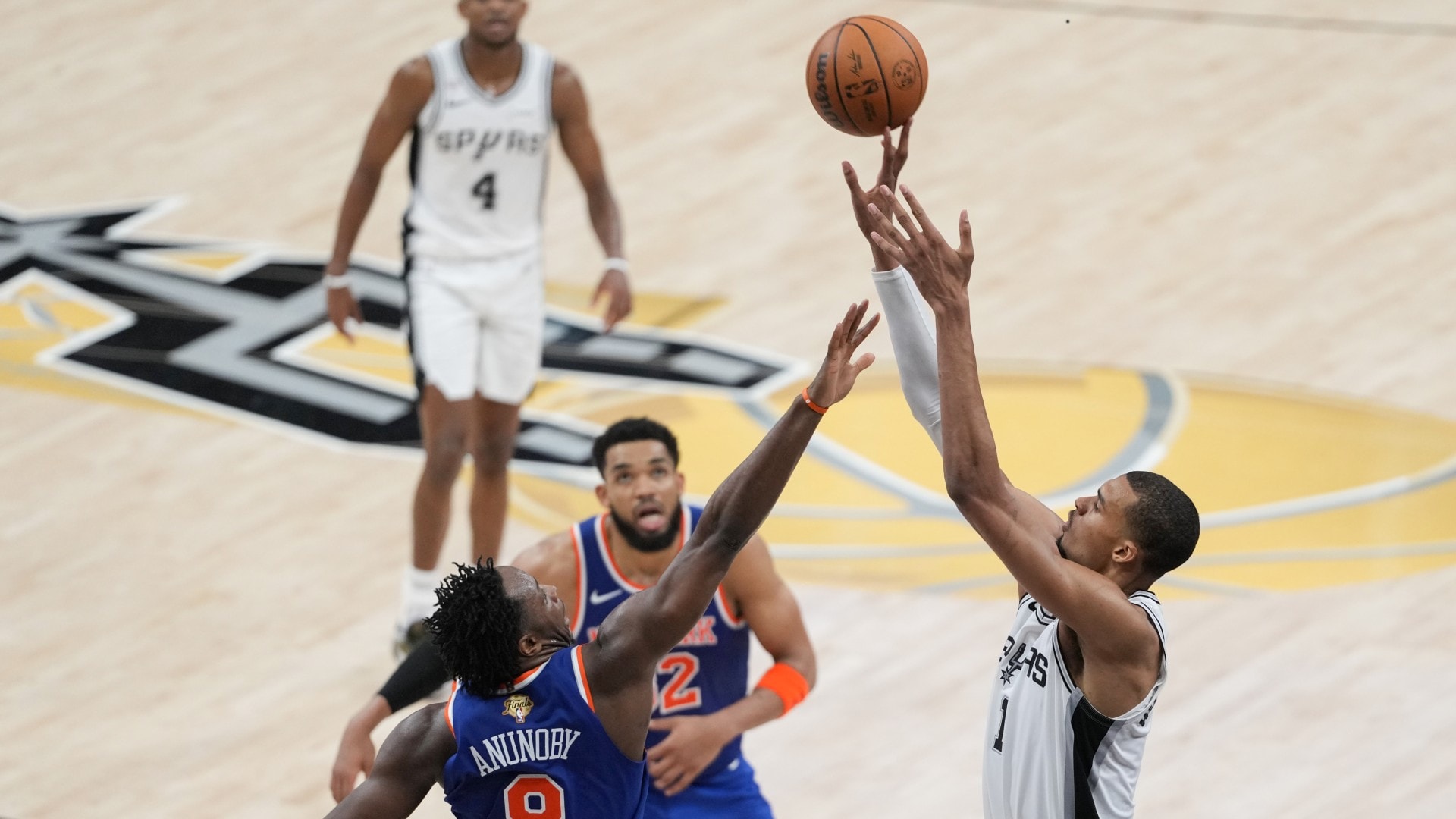
The primary reason for San Antonio's struggles is clear: the New York Knicks are simply playing exceptional transition defense. Players like Mikal Bridges, OG Anunoby, and Josh Hart possess the athleticism, length, and determination to sprint back, disrupt passing lanes, and contest shots with ferocity. They transform what should be easy buckets into desperate, low-percentage attempts.
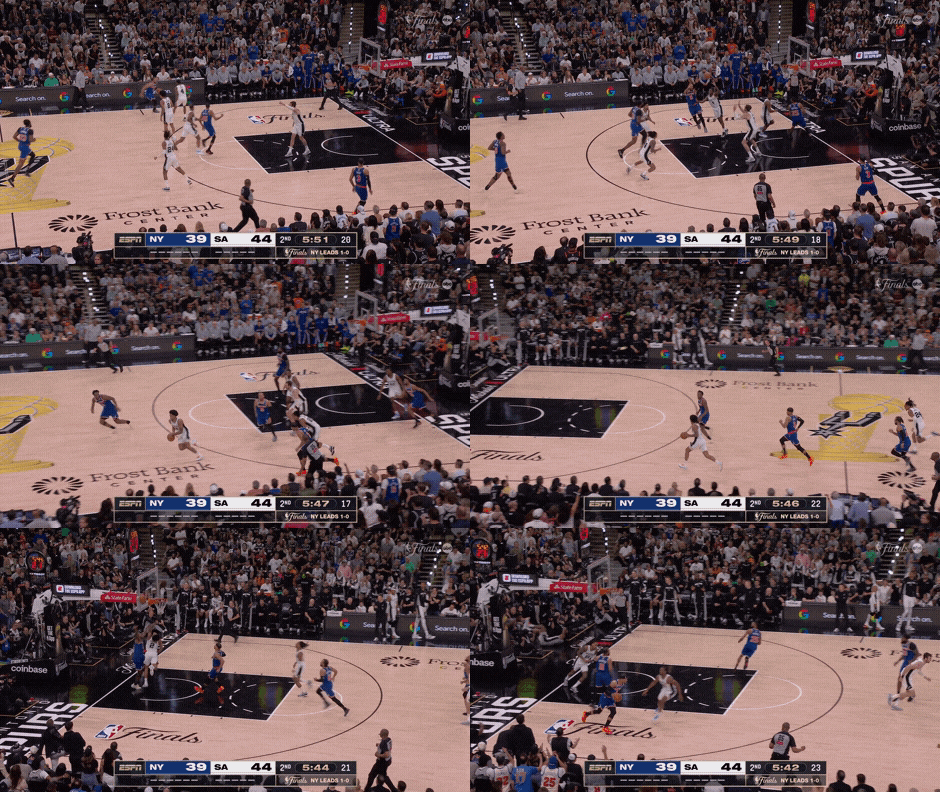
Bridges himself acknowledged the Spurs' fast-break prowess, stating, “They’re a really good transition team. You got to get back, show bodies.” Yet, even with their success, the Knicks' gritty mentality means they believe they can do even better, a scary thought for San Antonio.
Self-Inflicted Wounds for San Antonio
It's not all Knicks' brilliance; the Spurs have contributed to their own downfall. Coach Mitch Johnson pointed to "a few turnovers in transition that are not as common throughout the season." This sloppiness included Victor Wembanyama’s crucial game-deciding turnover in the closing seconds of Game 2. Settling for less-than-ideal shots and forcing plays that aren't there has also plagued their attempts to score in rhythm.
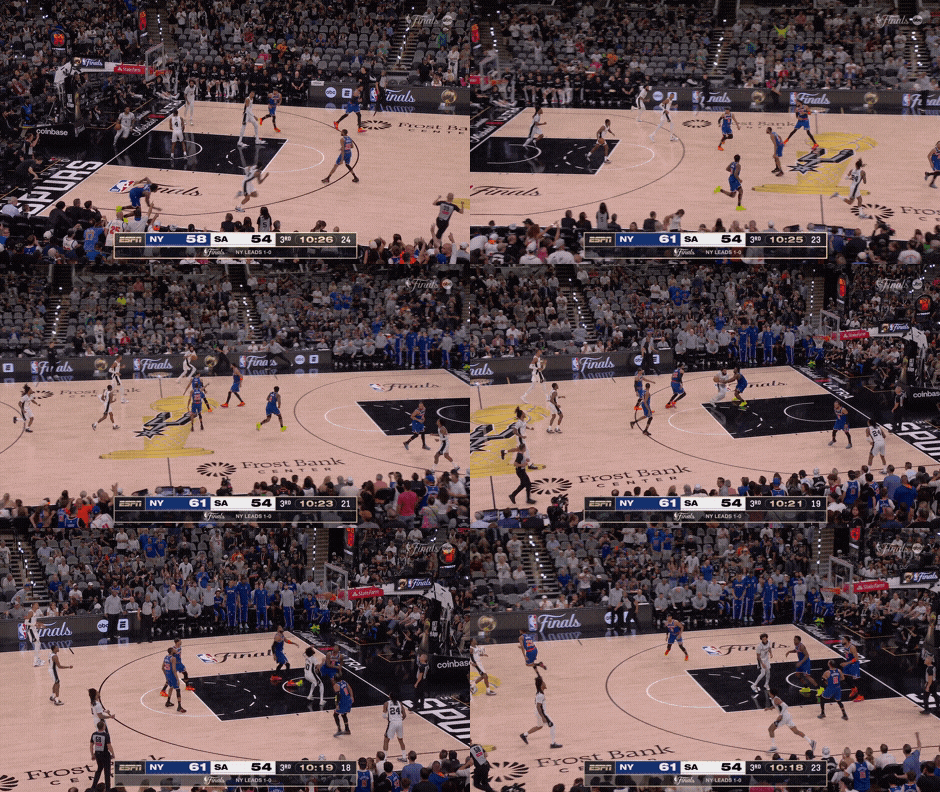
The most painful outcome? When these missed opportunities or turnovers turn into easy transition buckets for the opposition. "Going from looking like we’re probably getting a bucket to giving up a bucket," Johnson lamented. "Those are big swings in this game when you start talking about the margin of error at this level."
Half-Court Battle: Where the Knicks Thrive
Interestingly, the Knicks have also seen their own transition efficiency dip in the Finals, going from a playoff-best 1.32 PPP to 0.85 PPP. However, this hasn't been a fatal flaw for New York. They've found consistent success in their half-court offense, demonstrating a knack for creating and converting late-clock opportunities. While the Spurs have managed only **seven** field goals in the last seven seconds of the shot clock across two games, the Knicks boast **18** such baskets.
Harper Shines Amidst the Chaos, Others Must Step Up
Amidst the widespread struggles, Dylan Harper remains the Spurs' brightest spot in transition. He leads the entire postseason with 96 transition points and has accounted for 13 points on nine possessions in the Finals, showcasing his ability to blow past defenders for crucial scores.
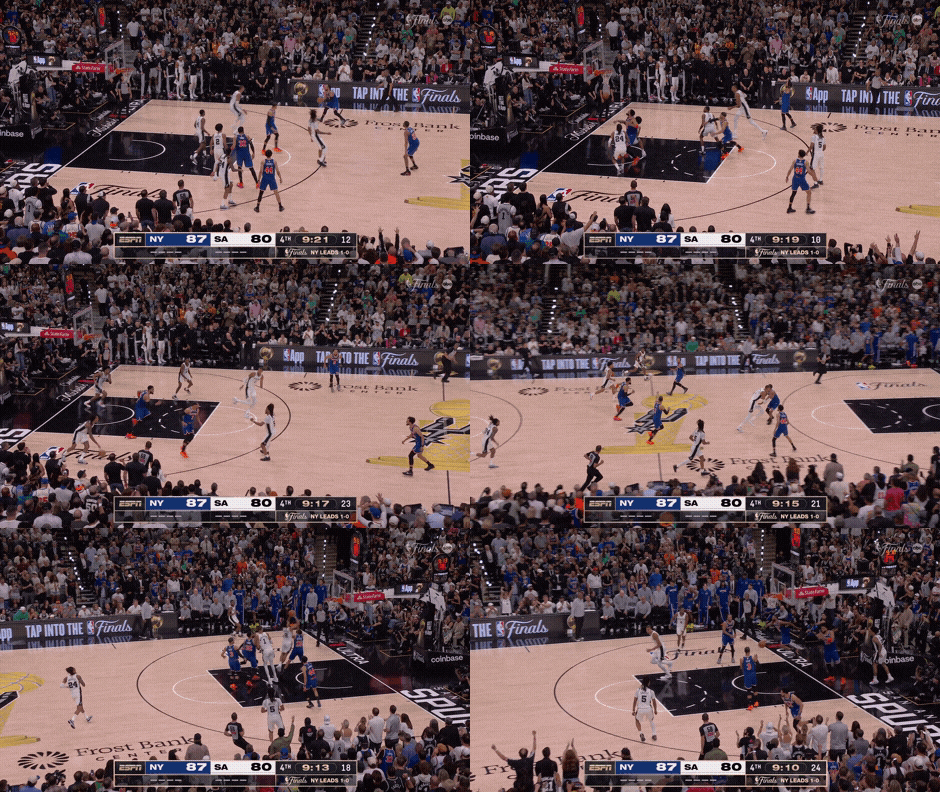
In stark contrast, rookie Stephon Castle endured a tough Game 2 in transition, managing just two points on six possessions, marred by missed layups and a costly turnover. For the Spurs to turn this series around, they need more than just Harper's individual brilliance. Every starter, many of whom were transition stalwarts in earlier rounds, must rediscover their finishing touch.
Game 3: A Pivotal Showdown
With Game 3 looming, the message from Coach Johnson is clear: transition is "a huge part of the game for us, when we are at our best." The Spurs have yet to play their best basketball, and with the Knicks' 13-game winning streak on the line, Monday's clash (8:30 ET, ABC/ESPN) is absolutely critical. Reclaiming their transition prowess isn't just a strategic adjustment; it's a lifeline for San Antonio in these NBA Finals.