

KTM expected 2026 to be a year of rebuilding and returning to normality after emerging from its financial troubles. Instead, the Austrian manufacturer was hit by a major engine crisis that motorsport chief Pit Beirer described as one of the most difficult periods in the history of its MotoGP project.
The problems became particularly serious during the Italian Grand Prix at Mugello, where KTM suffered three engine failures in a short period. What initially appeared to be an isolated mechanical issue quickly turned into a much bigger concern, with the manufacturer eventually losing seven engines.
“This year, I thought we go back to normality. Then this engine issue almost killed us,” Beirer said.
The timing made the situation even more difficult. KTM had already spent considerable effort securing its future in MotoGP following its insolvency proceedings and the change in ownership. With its racing programme secured, the focus was supposed to shift towards rebuilding the company and its sporting operations.
Instead, the engine failures left KTM searching for answers while facing strict restrictions under MotoGP’s engine freeze.
Under the regulations, KTM, Ducati and Aprilia were required to use their homologated 2025 engine specifications during the 2026 season. The engines were sealed and could not simply be opened or modified unless the manufacturers agreed that changes were necessary for reasons such as reliability or safety.

Source: Total Motorcycle
That left KTM in an unusual position. Engineers knew something was wrong, but they initially could not open the affected engines to properly investigate the failures.
“When one engine breaks, it feels like, ‘Okay, it can happen’. You don’t panic,” Beirer explained. “But then another one, and then you bring a replacement and that thing is breaking again. You don’t understand and you don’t know where to start.”
KTM eventually found an important clue by examining older engines that had already completed significant mileage. Those power units had not suffered the same failures, while the affected engines were failing after only around 50 to 100 kilometres.
The investigation eventually traced the problem to a faulty component supplied by an external company. The component was part of a highly stressed area of the engine and had suffered a quality issue.
Finding the cause, however, was only part of the battle. KTM still needed approval from its rivals before it could open the sealed engines and replace the defective parts.
Beirer said he understood why the other manufacturers were initially cautious. Allowing KTM to open its engines during an engine freeze could potentially raise concerns about gaining a performance advantage.
KTM therefore had to provide detailed evidence, including supplier information, serial numbers, batch numbers and X-rays, to demonstrate that the requested work was strictly related to reliability.
After discussions between the manufacturers, KTM received the green light during the summer break between the German and British Grands Prix. IRTA was also involved in monitoring the process.
Seven engines were subsequently opened at KTM’s facility in Munderfing, where the affected components were replaced before the engines were resealed and returned to the team's engine pool.
The crisis had already taken a performance toll. KTM had at times been forced to rely on older engines rather than risk further failures, while reducing engine performance was not considered an effective solution to the underlying problem.
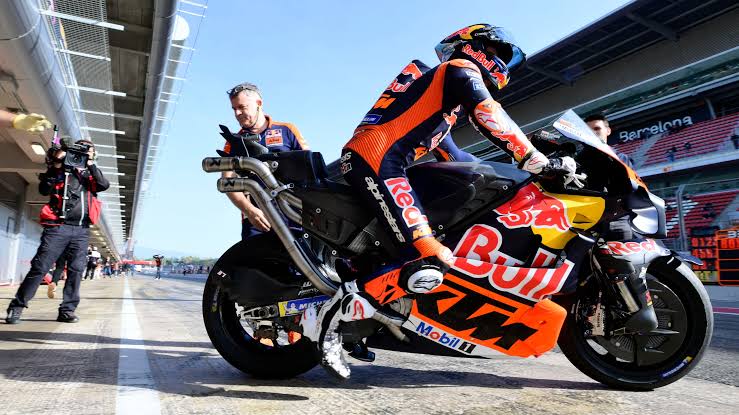
The impact was particularly noticeable at Mugello, where KTM lacked the straight-line performance expected from its RC16. The manufacturer also dealt with separate electronic and sensor problems during the same period, meaning not every technical failure could be linked to the faulty component.
Despite the difficult first half of the season, Beirer believes KTM has started to recover since the engine repairs.
Pedro Acosta has been a major part of that turnaround. Beirer said the Spaniard began showing stronger form again around the Aragon round, after KTM's progress had been interrupted by the engine crisis.
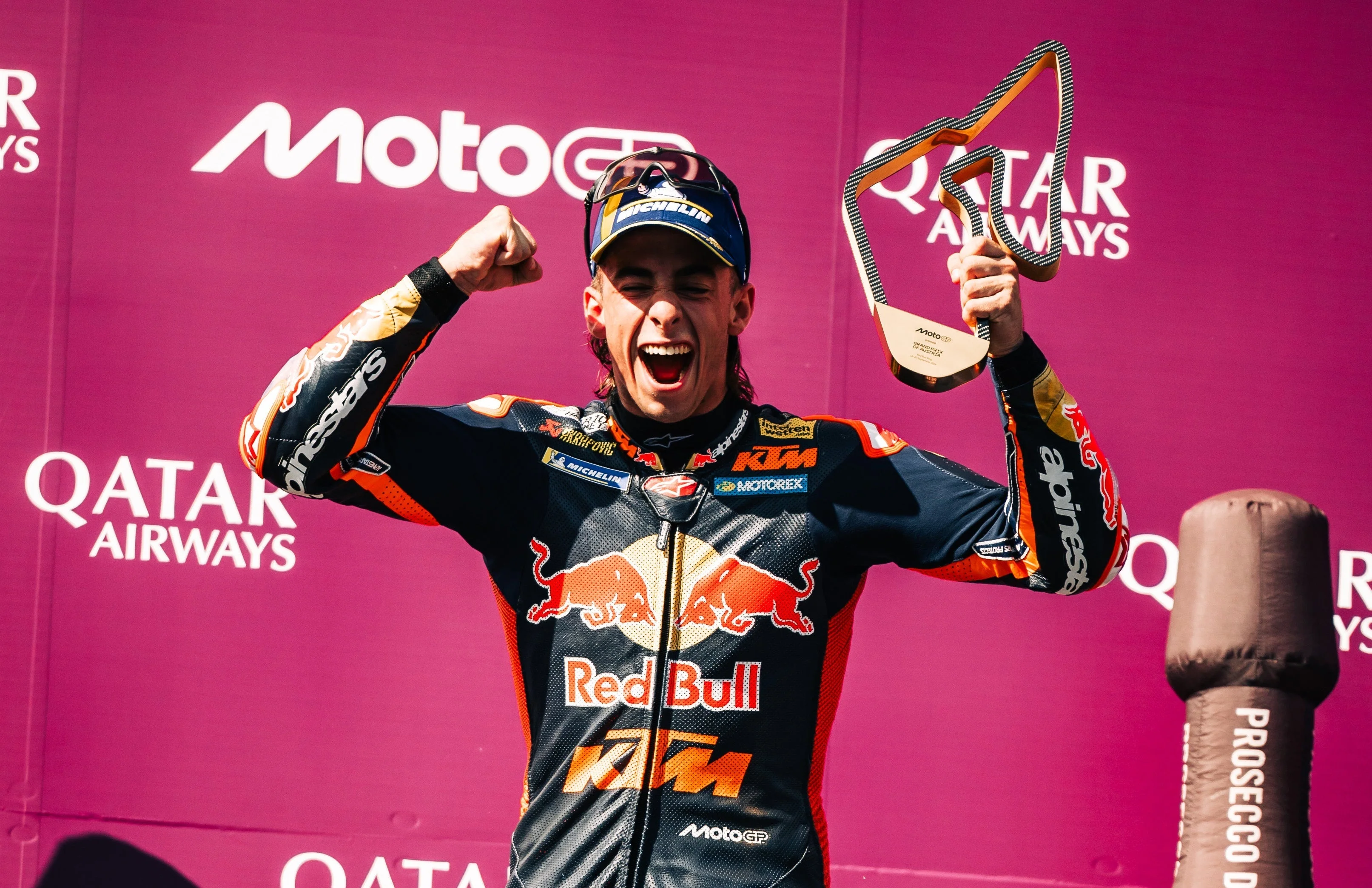
Acosta has since put together a run of podium finishes and claimed his maiden MotoGP victory in Spielberg, providing KTM with a much-needed boost after a turbulent period.
For Beirer, the priority now is simple: put the engine crisis behind them and return to a more normal MotoGP operation.
“We were getting closer and closer, and then this whole thing happened,” he said. “I hope that from now on we can return to a normal scenario.”