.png)

The Anfield Firestorm: Lovren Blasts "Disgusting" Salah Criticism
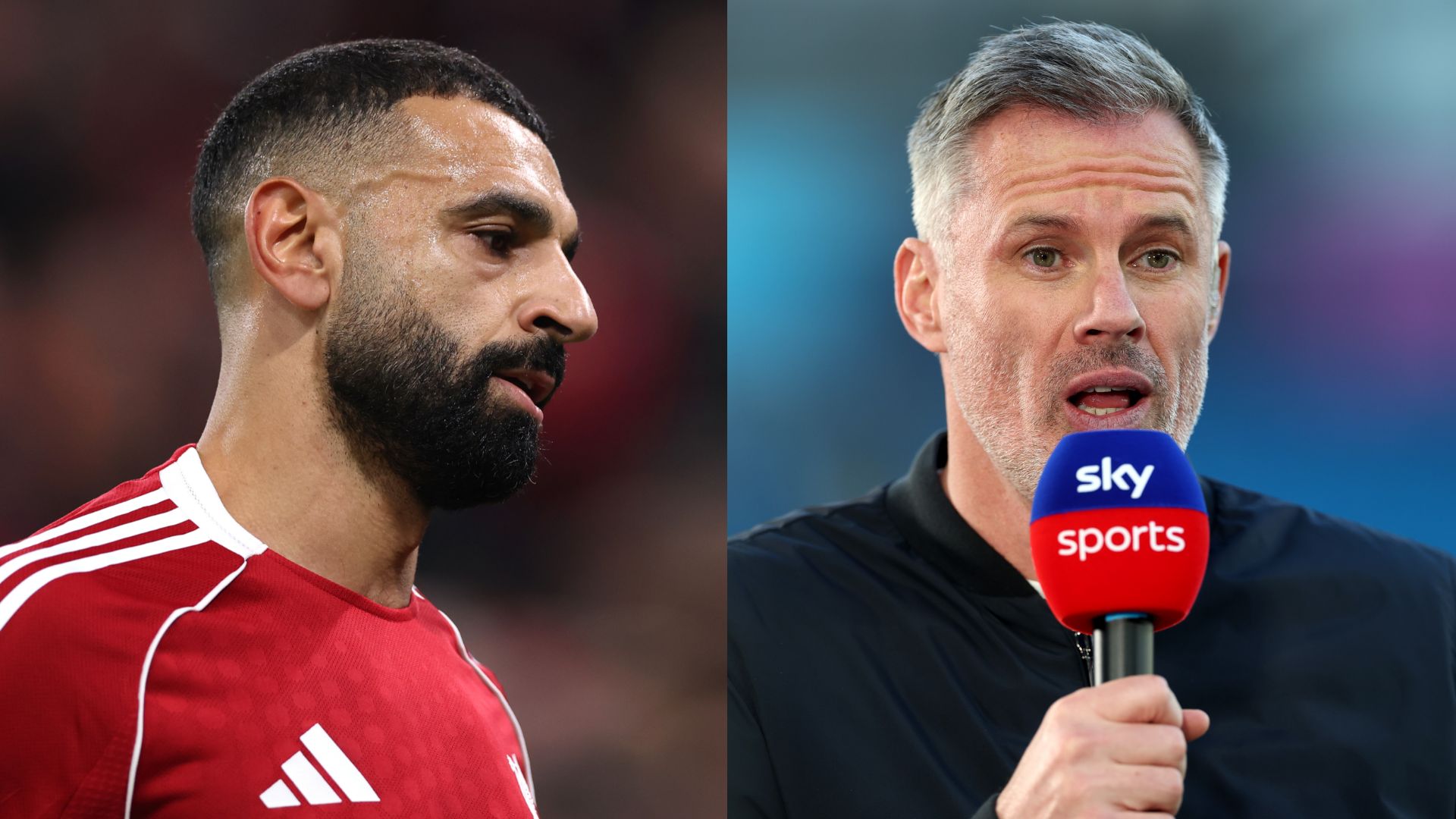
The departure of Mohamed Salah from Liverpool has ignited a firestorm, and former teammate Dejan Lovren isn't holding back, calling out what he sees as a “disgusting” campaign against the Egyptian King and pointing fingers directly at Arne Slot for the fractured relationship.
Key Takeaways from Lovren's Interview
- Mohamed Salah faced “disgusting” and unfair criticism this season, disproportionate to past years.
- Pundits, specifically Jamie Carragher, are accused of performing for TV ratings rather than offering genuine analysis.
- Arne Slot’s poor relationship with Salah is identified as the primary reason for the forward’s decision to leave Anfield.
- Lovren suggests a significant lack of internal support from the club's leadership, leaving Salah exposed.
The Unfolding Salah Saga: A Teammate's Fierce Defense
This season has been a whirlwind for Liverpool and its talisman, Mohamed Salah. Despite his legendary status, a perceived dip in form saw a wave of scrutiny that Dejan Lovren believes spiraled into personal attacks. In a candid chat with WinWin, Lovren expressed utter disbelief at the narrative, boldly stating the treatment was “disgusting,” not merely harsh.
He questioned why critics ignored Salah's incredible consistency over eight or nine years, only to target him after one challenging campaign. This stark contrast highlights Lovren's conviction that the agenda against Salah went far beyond legitimate football critique.
Punditry Under Fire: Lovren Challenges Carragher's Candor
The Croatian defender didn't shy away from confronting comments made by Liverpool icon Jamie Carragher. Carragher had previously labeled Salah selfish, a criticism Lovren dismissed as grandstanding for television. He challenged the former centre-back to confront players directly, implying a lack of genuine courage behind the microphone.
Lovren implied that some pundits prioritize performance over integrity, leveraging their platform for attention or financial gain. His assertion that Carragher would be unlikely to make such remarks face-to-face underlined his frustration with what he sees as unfair narratives surrounding his former teammate.
Slot Relationship Allegedly Key to Liverpool Exit
Beyond the media criticism, Lovren believes the root cause of Salah's departure lies much closer to home. According to the former Liverpool defender, the relationship between Salah and manager Arne Slot deteriorated significantly during the season, creating an environment that ultimately pushed the Egyptian toward the exit door.
Lovren claimed there was a clear disconnect between player and coach, suggesting the breakdown became impossible to repair. While he acknowledged that disagreements are common in football, he believes the situation escalated to a point where Salah no longer felt valued in the way he had been under previous managers.
Questions Raised Over Internal Support
Lovren also questioned whether Salah received enough backing from within the club during the difficult period. Despite being one of Liverpool's most influential players in modern history, he felt the forward was left exposed as criticism mounted from multiple directions.
The former centre-back argued that greater support from the club's leadership could have helped ease tensions and protect a player who had consistently delivered at the highest level for nearly a decade. Instead, he believes Salah was forced to navigate the scrutiny largely on his own.
End of an Era at Anfield
Salah's departure marks the end of one of the most successful individual eras in Liverpool's recent history. Since arriving from Roma in 2017, he has broken countless records, won major trophies, and established himself as one of the Premier League's greatest forwards.
For Lovren, that legacy should outweigh any criticism directed at the Egyptian during his final season. While opinions may differ on the reasons behind Salah's exit, the Croatian remains convinced that the treatment his former teammate received was unfair and that a combination of media attacks, a strained managerial relationship, and a lack of internal support ultimately contributed to bringing an iconic chapter at Anfield to a close.