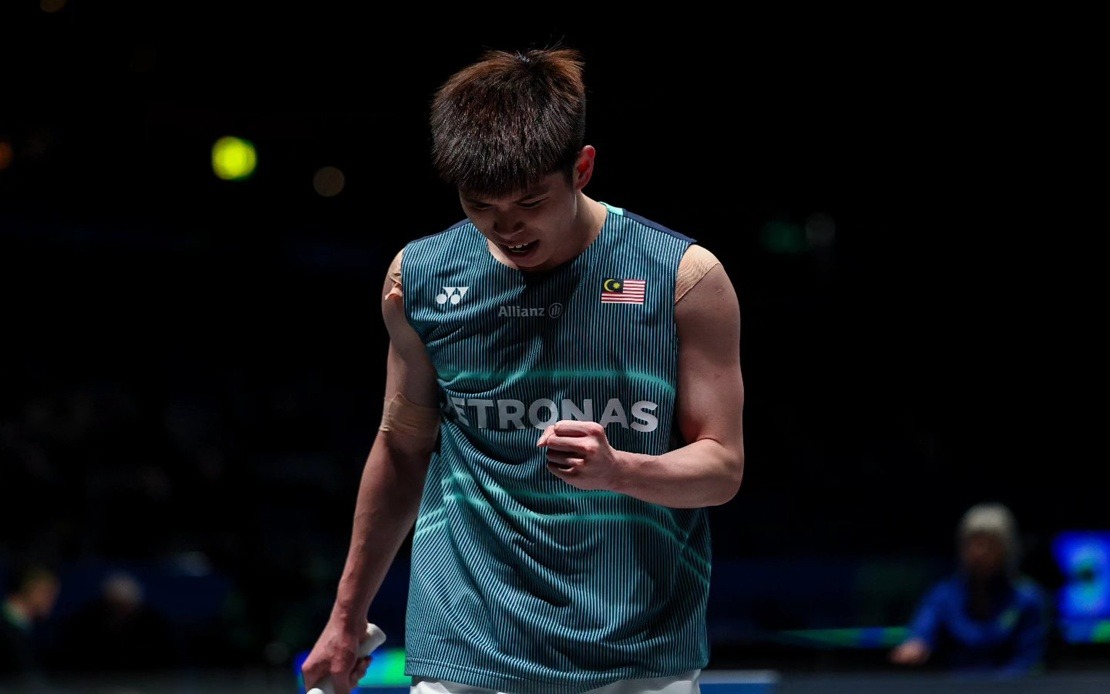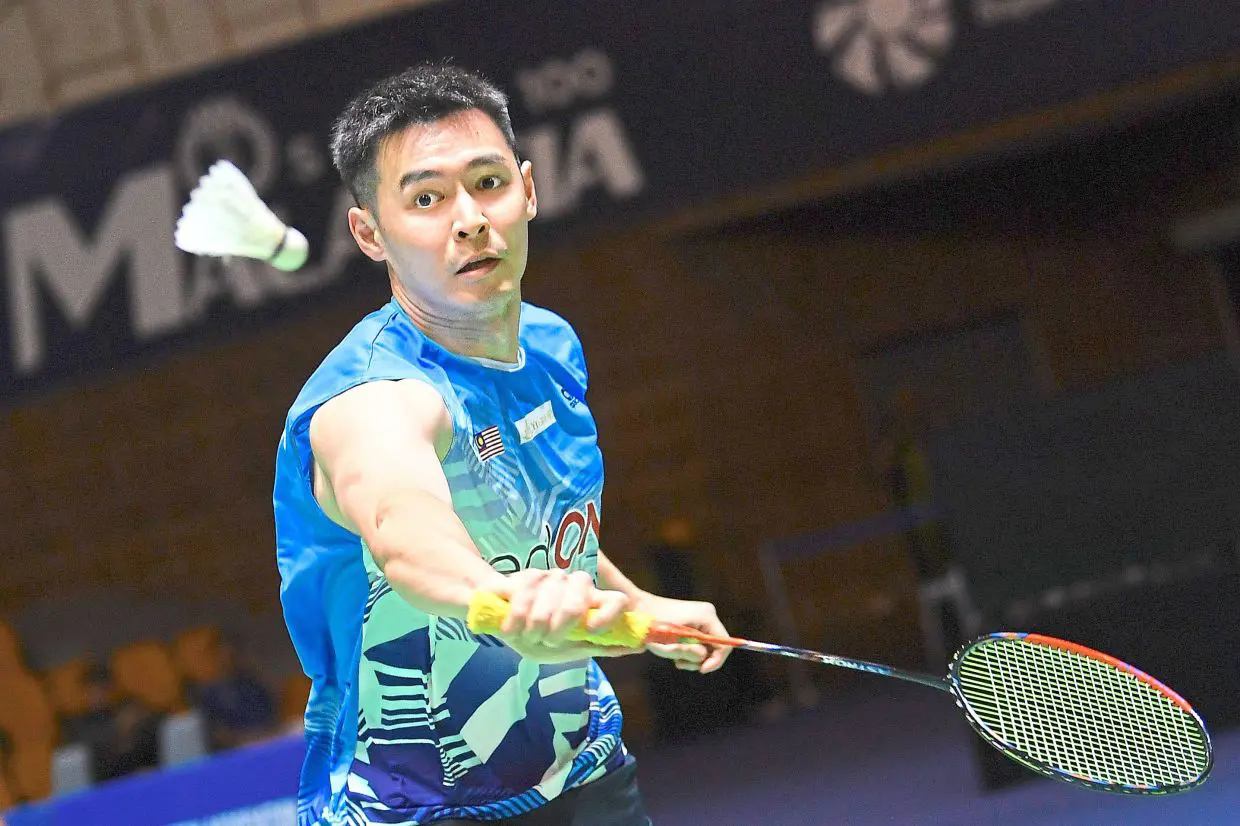

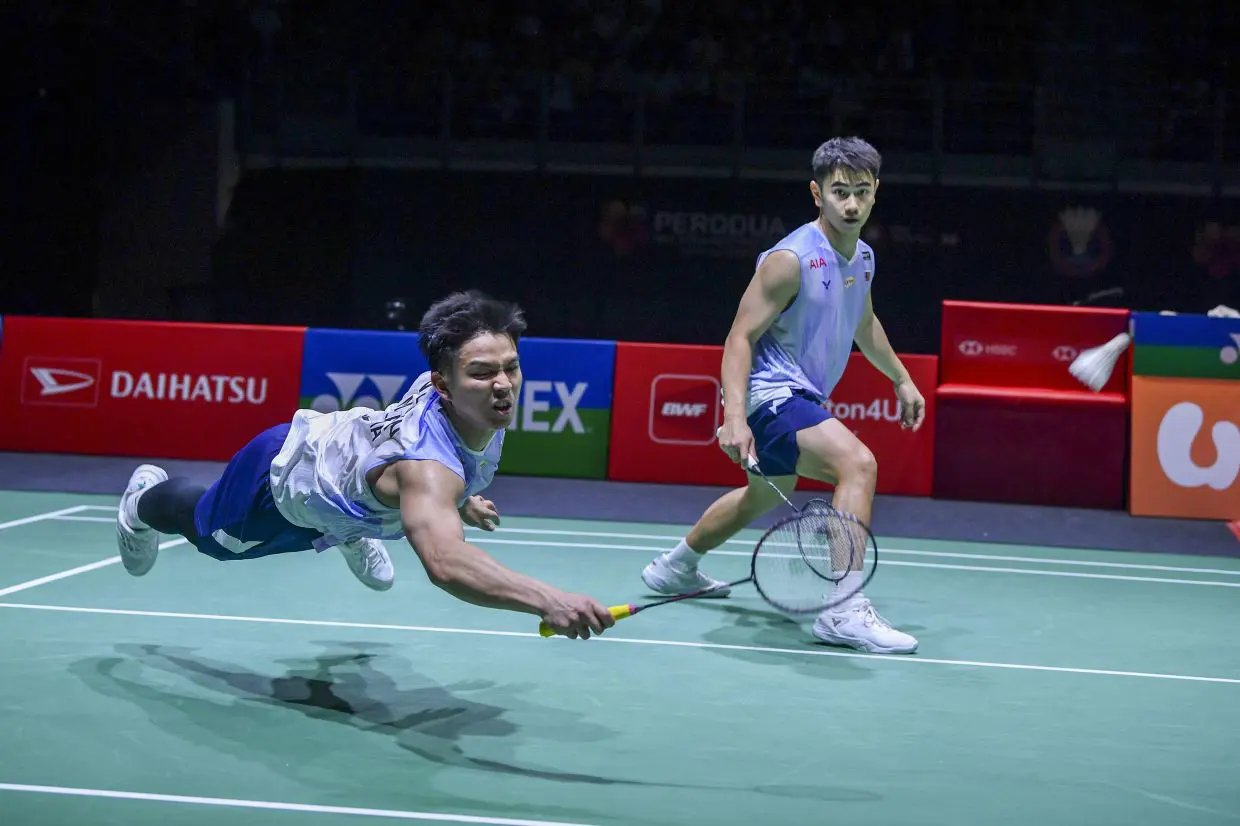

Malaysia’s men’s doubles pairs have been handed contrasting routes at the World Championships in New Delhi, with some facing major tests early in their campaigns as they look to put the country back on the global podium.
World No. 6 Goh Sze Fei-Nur Izzuddin Rumsani face one of the toughest paths, with a potential quarter-final against reigning world No. 1 Kim Won Ho-Seo Seung Jae of South Korea standing between them and the semi-finals.
The Malaysians will need to rediscover the form that saw them beat the Korean pair at the Indonesia Open earlier this year if they are to overcome another major test on the biggest stage. That victory should give Sze Fei-Izzuddin confidence, but replicating that performance will be crucial if they are to keep their medal hopes alive.
Former world champions Aaron Chia-Soh Wooi Yik, ranked fourth in the world, appear to have a slightly more manageable route, although they could face a difficult all-Malaysian clash in the last 16 against rising pair Man Wei Chong-Tee Kai Wun.
An early meeting between the two Malaysian pairs would add another layer of pressure, with both sides likely to be familiar with each other’s strengths and weaknesses. Should Aaron-Wooi Yik progress, they could then face China’s world No. 7 Chen Bo Yang-Liu Yi in the quarter-finals.
Their experience at major tournaments could prove valuable as they look to navigate a potentially demanding second half of the draw. A semi-final could then bring another blockbuster meeting against either Kim Won Ho-Seo Seung Jae or Sze Fei-Izzuddin.
Malaysia’s preparations have also attracted attention following a series of partnership changes introduced by national doubles coach Herry IP. At the Japan Open, several new combinations were tested, including Aaron Chia with Aaron Tai, Man Wei Chong with Soh Wooi Yik, Tee Kai Wun with Yap Roy King, and Wan Arif Junaidi with Kang Khai Xing.
With limited time for the new combinations to build understanding and match rhythm, the changes represent a calculated gamble ahead of the World Championships. The adjustments could provide valuable options for the future, but they also leave little room for the players to develop their chemistry before the tournament begins.
Wan Arif Junaidi-Yap Roy King, meanwhile, have their own challenge ahead, with a potential second-round meeting against Indonesia’s Raymond Indra-Nikolaus Joachim.
With every Malaysian pair facing a different test, the World Championships will provide an important measure of where the country’s men’s doubles stand against the world’s best.
For Sze Fei-Izzuddin, Aaron-Wooi Yik and the rest of the Malaysian contingent, the priority will be to find their best form quickly, maintain their composure in high-pressure matches and take advantage of every opportunity that comes their way in New Delhi.