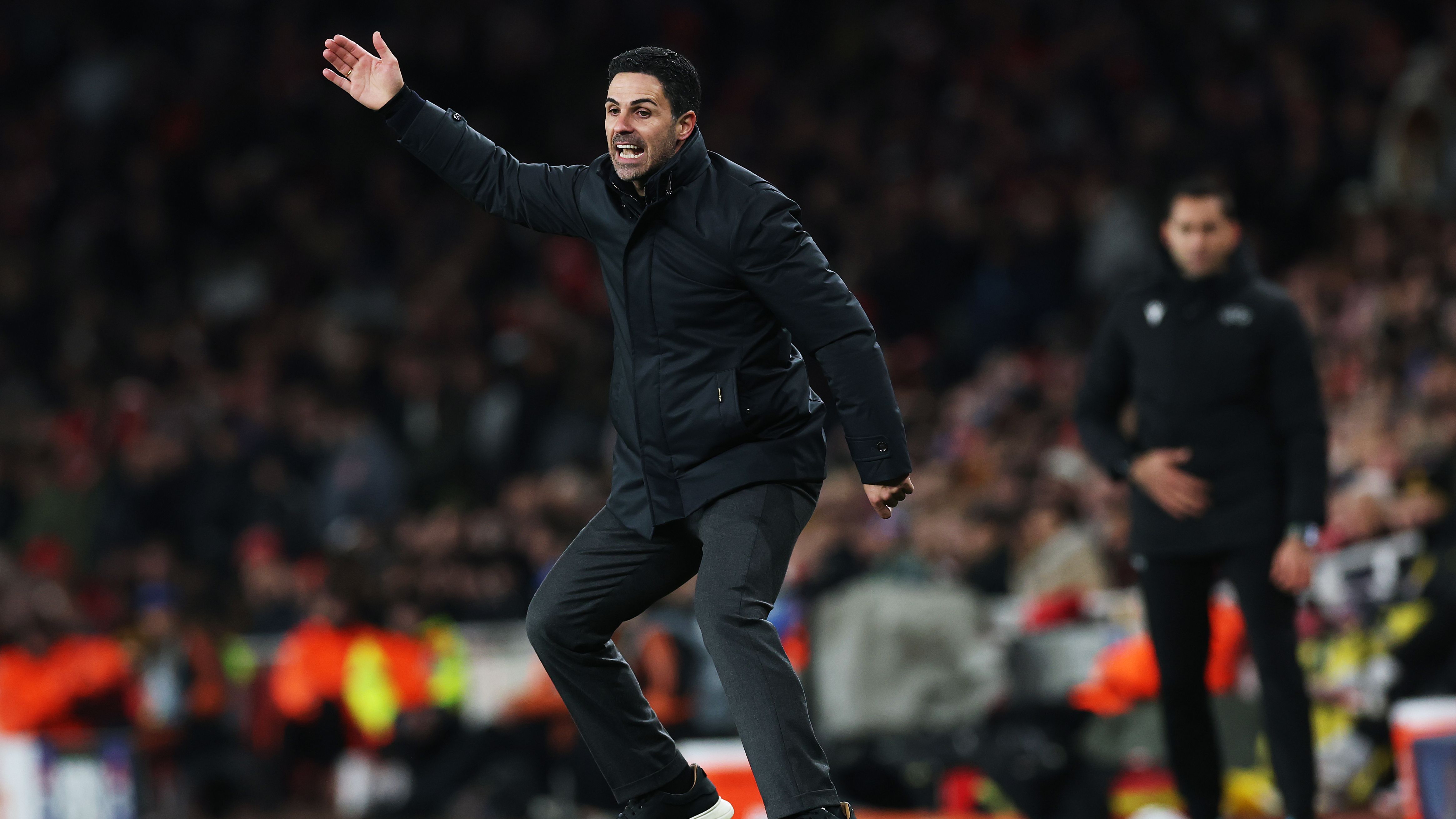



Manchester City and Napoli produced an intriguing tactical contest, with Enzo Maresca's possession-based approach going up against Massimiliano Allegri's compact defensive system. City controlled 62% of possession and dominated the passing statistics, but Napoli's organised backline and dangerous counter-attacks made the contest far from straightforward. In the end, City's squad depth and second-half adjustments proved crucial in securing a late equaliser.
Key Highlights
- Man City's Possession Dominance: City recorded 62% possession and 665 passes but initially struggled to break through Napoli's defensive structure.
- Napoli's Counter-Attacking Threat: Allegri's side used a compact 4-5-1 formation to limit City's central options and create dangerous transitions.
- Second-Half Tactical Changes: Maresca introduced Doku and Ndiaye to add width and attacking directness, helping City increase the pressure.
- Late Equaliser: City eventually found a breakthrough in the 86th minute through Cherki after sustained attacking pressure.
Manchester City's Possession-Based Approach
Maresca started with a flexible 4-2-3-1 formation that shifted into a 3-2-5 when City had the ball. Gvardiol moved inside from left-back to support the build-up, while Enzo Fernandez and Allan operated as the midfield pairing to control possession.
City completed 665 passes, nearly 250 more than Napoli, but struggled to create clear openings during the first half. Their aggressive counter-pressing, led by Cherki and Bouaddi, helped keep Napoli under pressure, although the high defensive line also left space for the visitors to exploit.
Despite registering 18 shots, only seven were on target, highlighting City's difficulties in turning their territorial advantage into goals.
Napoli's Defensive Organisation and Quick Transitions
Allegri set Napoli up in a disciplined 4-5-1 formation, focusing on keeping the defensive lines close together and directing City's attacks towards the wings. The visitors recorded eight interceptions and 42 clearances while limiting the space available to Haaland.
Gilmour and McTominay played important roles in protecting the back four, making it difficult for City to find their striker in dangerous positions.
Napoli were considerably more direct when they recovered possession. With Hojlund holding up the ball and creating opportunities for runners such as Noa Lang, they recorded four counter-attacks compared to City's one. Their opening goal in the 55th minute followed this approach, as Gilmour initiated the move before Hojlund finished clinically.
Despite having only 38% possession, Napoli scored twice from nine shots, demonstrating their efficiency in front of goal.
Allegri Wins the Early Tactical Battle
Napoli initially succeeded in disrupting City's attacking rhythm by closing down the central channels and limiting access to the half-spaces. Wingers Politano and Lang dropped deeper to provide additional defensive cover, forcing City to rely more heavily on wide players such as Doku.
However, maintaining that defensive structure became increasingly difficult as the match progressed. City began moving the ball quicker, replacing slower passing sequences with sharper combinations during the closing stages.
This change put greater pressure on Napoli's defensive organisation and gradually pushed the visitors deeper into their own half, eventually creating the opening for City's late equaliser.
Maresca's Substitutions Change the Game
Maresca responded to City's attacking difficulties with changes in the 63rd and 67th minutes, introducing Ndiaye and Doku to provide more width and one-on-one attacking ability.
Bouaddi's more advanced positioning also added another threat from midfield. The adjustment quickly paid off, with the midfielder scoring just minutes after Hojlund had given Napoli the lead.
Allegri also made changes, bringing on Anguissa and Gabriel Nascimento for Hojlund and De Bruyne to refresh the midfield and strengthen Napoli's defensive transitions. However, the substitutions reduced some of their attacking outlet options.
City's final adjustment saw Cherki move into a central attacking role, giving him more opportunities to find space between Napoli's defensive lines. The change proved decisive when he scored the 86th-minute equaliser.
Conclusion: City's Depth Makes the Difference
Napoli's disciplined defending and effective counter-attacks gave Allegri's side a strong platform to challenge City, with Hojlund and Lang providing attacking threats throughout the contest.
However, Maresca's willingness to adjust City's attacking approach, combined with the impact of his substitutes, gradually shifted the momentum. Faster combinations, greater width and Cherki's central positioning eventually helped City find a way through.
While Napoli demonstrated how effectively a compact defensive system can disrupt possession-heavy football, City's depth and sustained pressure ultimately made the difference in the closing stages.