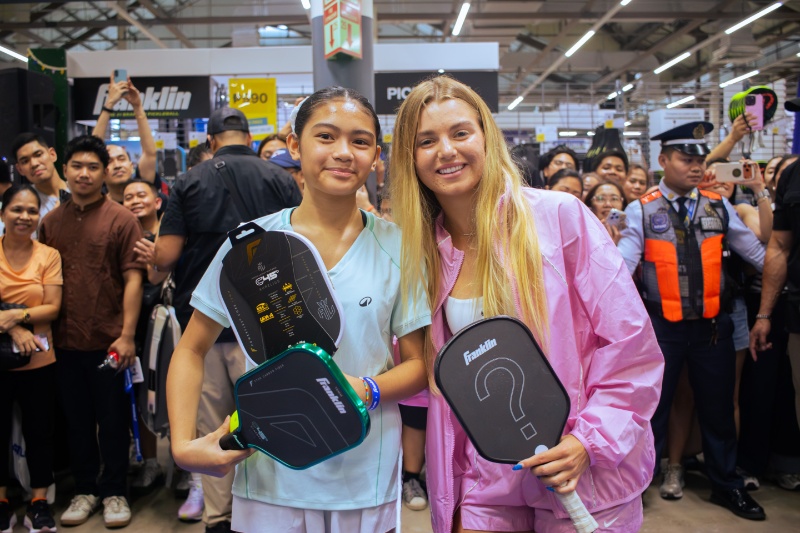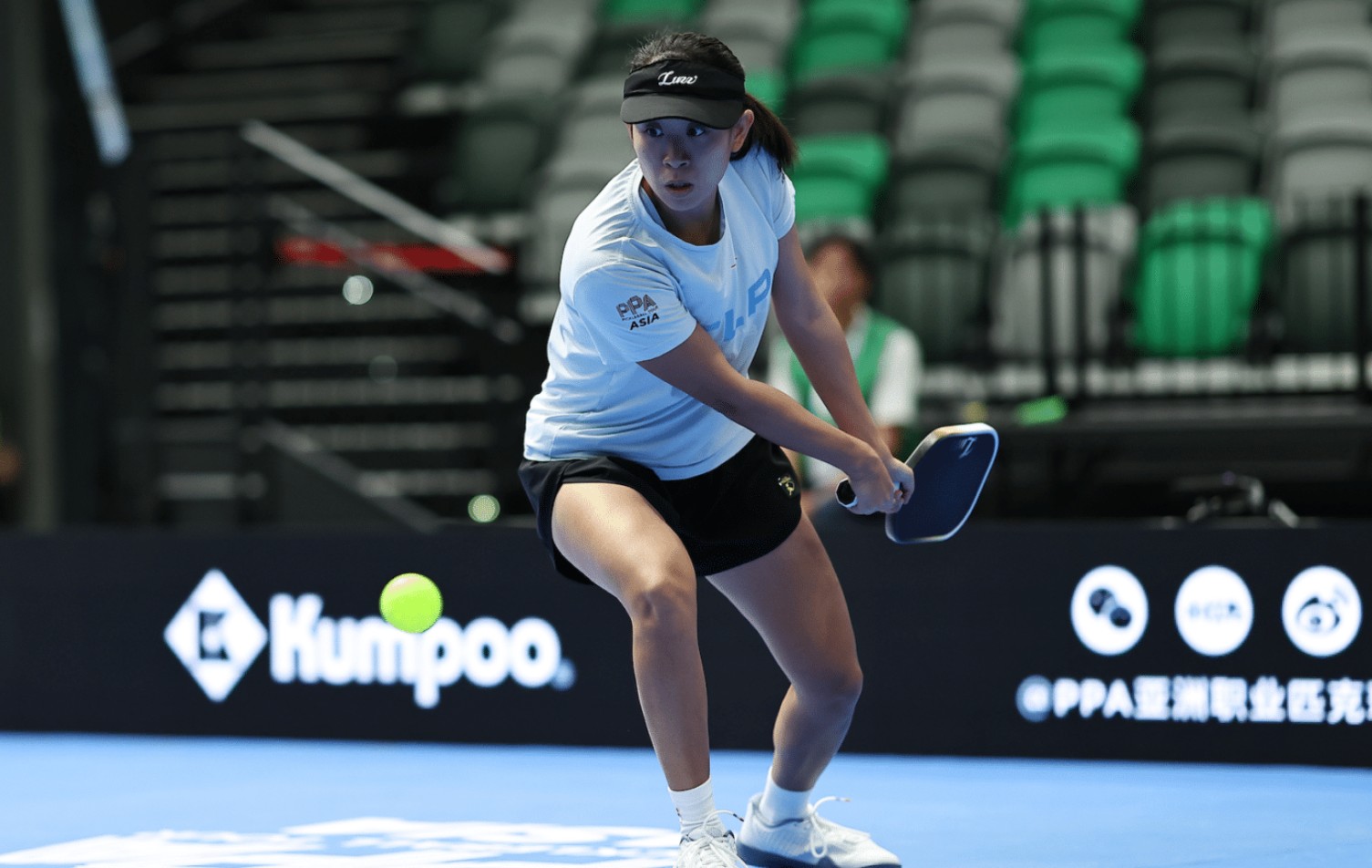

Mandaue City is making a bold play to become the Philippines' next pickleball hub, launching a citywide initiative to bring the fast-growing sport into schools, communities, and everyday life under the leadership of Councilor Carlo Fortuna.
Key Points:
- Pickleball to be integrated into Mandaue's schools and public spaces.
- Goal: Enhance accessibility and affordability for all residents.
- Public facilities (gyms, open spaces) to be converted for play.
- Emphasis on grassroots programs and community tournaments.
Pickleball's Ascent: Mandaue's Bold Vision
The momentum around pickleball has been undeniable. Councilor Carlo Fortuna, the driving force behind this initiative, recognized the sport's explosive growth and its unique appeal across all demographics. He emphasizes that these resolutions are a strategic investment in public health and student well-being.
Fortuna eloquently articulated the profound benefits, stating, "It really promotes a healthy lifestyle, makes one sweat, keeps us fit." This move signifies Mandaue City's commitment to fostering a healthier, more active populace.
Unlocking Public Playgrounds: Accessible Courts for All
Currently, one of the biggest hurdles for aspiring pickleball enthusiasts is the lack of dedicated public courts. Private facilities often come with a hefty hourly price tag, effectively pricing out many potential players. Mandaue City is about to change that game.
The proposal tasks the Mandaue City Sports Commission with identifying and converting existing public areas. Imagine the City Sports Complex, barangay gyms, covered courts, or even sections of the City Hall grounds bustling with pickleball action during designated hours.
Breaking Down Cost Barriers
The cost barrier is significant, with private courts demanding between ₱500 and ₱600 per hour. Councilor Fortuna's plan aims to slash these expenses dramatically. By leveraging government-owned venues, the city anticipates keeping fees minimal, covering only essential maintenance or electricity—mirroring the successful model used for public tennis courts.
This commitment to affordability is a cornerstone of the entire initiative. Fortuna passionately declared, "Everyone, regardless of economic status, should have the chance to learn and play." This principle ensures that Mandaue City's embrace of pickleball is genuinely inclusive.
Cultivating Community: Grassroots & Tournaments
Beyond just opening courts, the resolutions are designed to embed pickleball deep within Mandaue's communities. The Sports Commission is encouraged to weave the sport into robust grassroots programs.
Picture lively, competitive barangay-level tournaments, utilizing the city's newly accessible facilities. These events will not only foster healthy competition but also strengthen community bonds, bringing people together through shared passion.
The Future of Sport in Mandaue
Across Cebu, the demand for pickleball has already seen industrial spaces repurposed into courts. Now, Mandaue City's proactive stance is poised to take this growth to the next level. By making the sport accessible and affordable, Mandaue is positioning itself as a hub for pickleball in the Philippines.