The Stoic Champion: Why Marc Marquez Stays Calm on the Podium
The "Alien" is back, but a new, calculated Marc Marquez stands on the podium – a stoic champion meticulously managing every ounce of energy in his quest for another MotoGP title.
His recent subdued reactions after blistering Sprint Race performances, including a victory at Motegi, aren't about dissatisfaction. They're a brilliant, deliberate strategy to outwit his rivals and conquer the relentless demands of modern MotoGP.
The Apex of Energy Management
- Marc Marquez intentionally suppresses emotional swings to conserve vital energy throughout intense race weekends.
- His composed "poker face" is a strategic response to the grueling MotoGP weekend format, especially the addition of Sprint Races.
- This calculated approach is crucial for his physical recovery after multiple surgeries on his right arm and shoulder.
- Every decision, from podium demeanor to skipping promotional events, is now meticulously geared towards maximizing performance in Sunday's main race.
Why the Silence? Unpacking Marquez's Strategic Calm
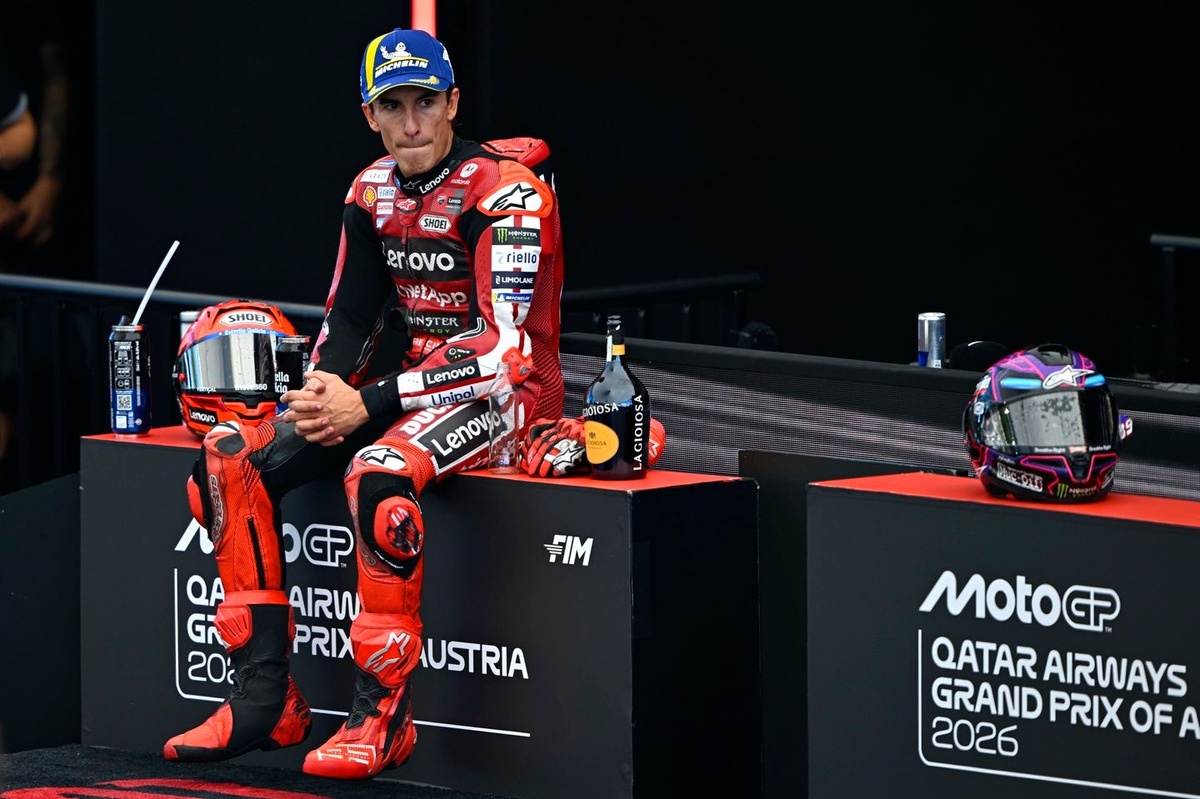
The image of Marc Marquez standing almost impassively on the podium after a sensational Motegi Sprint victory – his seventh of the season – sparked conversations across the paddock. For a rider synonymous with unbridled passion and explosive celebrations, his calm was conspicuous.
Yet, this isn't a lack of emotion; it's a profound display of control. Marquez is engaged in an unprecedented battle for the championship, locked in a fierce duel with formidable rivals like Jorge Martin and Marco Bezzecchi. Every tiny advantage counts, and for Marquez, that means reining in the adrenaline roller-coaster.
The Body, The Mind, The Machine: A Holistic Approach
Years of brutal crashes and intricate arm surgeries have fundamentally reshaped Marquez's approach to his craft. He's had to redefine not just his physical training, but his entire race weekend routine. The focus now is on sustainable peak performance, minimizing any drain that doesn't directly contribute to lap times.
"It’s not that laughing is tiring; what is tiring, and very tiring, is the changes in emotions," Marquez explained. "Winning doesn’t make my attitude change, I remain focused."
He elaborates on the physiological and psychological toll: "Physically, you can handle it because we are prepared... But during grands prix, the adrenaline rises a lot, and then it suddenly drops."
Conquering the Sprint Challenge: Mastering Adrenaline Swings
The introduction of Sprint Races in 2023 dramatically intensified the MotoGP schedule. Saturdays now demand maximum effort in qualifying, followed immediately by a high-stakes half-distance race. This creates multiple adrenaline peaks and subsequent valleys before the main event on Sunday.
Marquez openly admits, "What takes a lot of energy are those ups and downs emotionally. Because after an adrenaline peak comes a low. And that’s what I’m trying to control, so that the line remains as stable as possible."
This isn't about suppressing joy, but about strategic energy allocation. By maintaining a more stable emotional baseline, he ensures he arrives on Sunday with maximum mental clarity and physical reserves, ready to deploy his full, devastating talent.
Sacrificing Spectacle for Supremacy
This new philosophy extends beyond the podium. During the Motegi weekend, Marquez famously sent a body double to a promotional kart race while he was applying ice to his arm. His reasoning was clear: "At these moments, you have to be selfish and perform at your best when it matters, which is during the races."
As MotoGP evolves under new ownership, prioritizing spectacle and fan engagement, Marquez remains singularly focused on what he does best: winning. His calculated self-preservation is a masterclass in strategic thinking, a testament to a champion willing to adapt every facet of his being to achieve his ultimate goal. It's a fascinating look at the relentless pursuit of perfection in the most demanding motorsport on the planet.