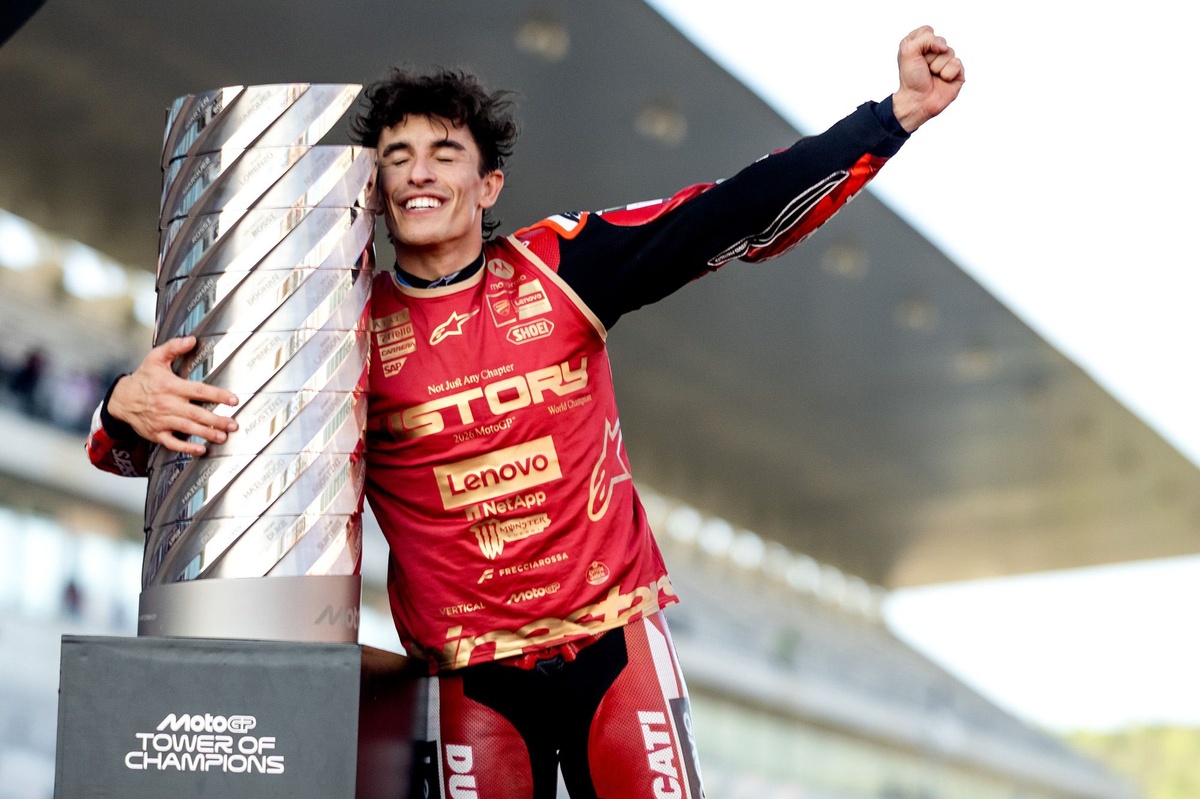
Marc Marquez relied on more than outright speed to secure the 2026 MotoGP World Championship, using a smarter and more calculated approach to overcome Aprilia rivals Jorge Martin and Marco Bezzecchi. From sprint race dominance to better race management, the Ducati rider adapted his strategy throughout the season to turn a 102-point deficit into a championship-winning campaign.
Key Highlights:
- Sprint dominance: Marquez collected 10 sprint victories and scored 164 points, building a significant advantage over his Aprilia rivals.
- Strong race starts: Quick getaways and early track positioning helped him compensate for Ducati's limited qualifying performance.
- Strategic race management: Wet-weather performances, psychological pressure and fewer mistakes played important roles in his title challenge.
- Greater focus: Marquez reduced distractions and managed his energy carefully to maintain consistency throughout race weekends.
Six Ways Marc Marquez Secured the 2026 MotoGP Title
1. Sprint Race Dominance
Marquez made some of his biggest gains on Saturdays, where his sprint performances gave him a substantial advantage over his championship rivals.
Despite being outscored by Bezzecchi in full-distance races, the Ducati rider dominated the shorter format with 10 sprint victories. Across the 21 rounds held so far, he accumulated 164 sprint points, putting him 40 points ahead of Martin and 72 ahead of Bezzecchi.
His advantage was particularly impressive considering the different circumstances behind those victories. Early wins in Goiania and Jerez came while he was still struggling with his right shoulder, while later successes at Misano, Mandalika and Phillip Island demonstrated his ability to challenge Aprilia even at circuits suited to the RS-GP.
By consistently collecting points on Saturdays, Marquez often forced Bezzecchi and Martin to make up ground during Sunday's main races. Even when Aprilia performed better over the full distance, the Spaniard had already established an advantage across the weekend.
2. Getting Off the Line Quickly
Although Marquez secured pole position only four times during the season, he compensated for Ducati's limited one-lap pace with consistently strong starts. Ducati managed just three pole positions across the previous 13 weekends, but Marquez's ability to gain places early allowed him to establish track position and control the race.
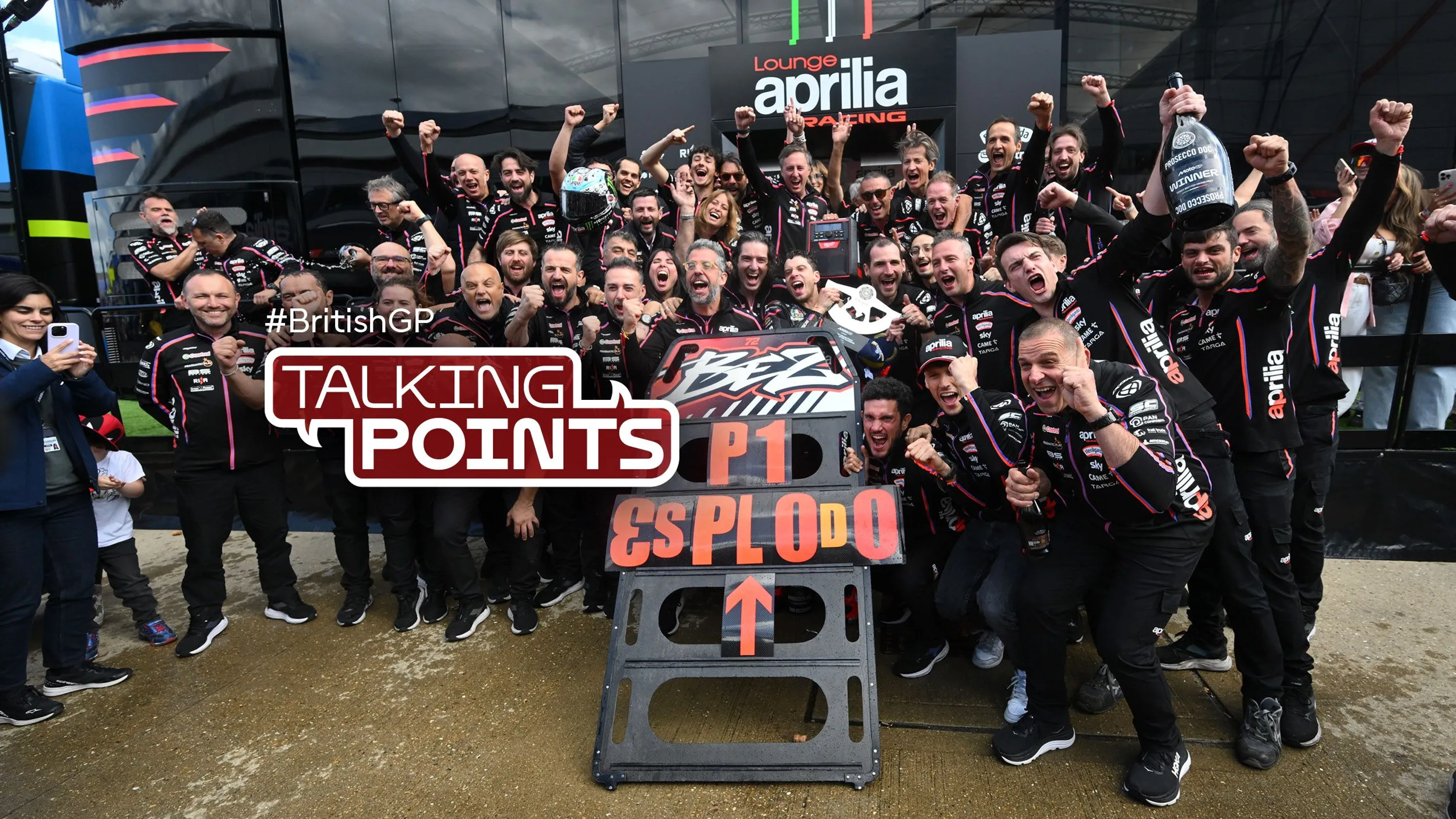
He demonstrated this approach against Bezzecchi at both Aragon and Misano, making similar moves at the start before dictating the pace from the front. At Misano, Bezzecchi appeared to have greater speed during the sprint, but Marquez's positioning helped him finish ahead.
The following day, Bezzecchi pushed hard to stay in front during the San Marino GP but crashed on the opening lap, allowing Marquez to collect 25 valuable championship points.
3. Taking Advantage of Wet-Weather Conditions
Aprilia generally had the fastest motorcycle across the 2026 season, but changing weather conditions often gave Marquez an opportunity to challenge its riders. His Jerez sprint victory benefited partly from circumstances, but his performance at Phillip Island showed how effectively he could adapt.
When rain arrived on Saturday morning, Marquez capitalised on the conditions to secure pole position by nearly 1.5 seconds. In a dry session, the Aprilia riders were expected to have the advantage. Instead, Marquez used the wet conditions to take control and collected the maximum 12 points from the shortened Australian GP weekend.
4. Putting Pressure on His Rivals
Knowing that overturning a 102-point deficit would not depend entirely on his own results, Marquez also looked for ways to put psychological pressure on Aprilia. His comment at Phillip Island, "I don't need team orders if I'm fast", was one example of how he challenged the opposition both on and off the track.
His aggressive sprint performances and quick starts already created problems for Martin and Bezzecchi. However, Marquez also recognised the pressure on Aprilia to take advantage of what could be a significant championship opportunity before the regulation changes in 2027.
By repeatedly playing down the personal significance of winning the title, he reinforced the impression that Aprilia had more to lose. This approach added another layer to the competitive battle throughout the season.
5. Reducing Costly Mistakes
Marquez has previously made costly errors, including crashes from leading positions. However, following his return from injury at Mugello, he became more willing to prioritise finishing races over taking unnecessary risks.
Silverstone provided an example of this change in approach, as he recognised that finishing seventh was more valuable than pushing too hard and potentially crashing.
While Martin and Bezzecchi continued to surrender championship points through mistakes, Marquez became more consistent about converting his opportunities into results. Errors during races became less frequent, with his crashes more often occurring in practice or qualifying rather than from points-scoring positions.
Notably, his Portimao sprint mistake marked his first race retirement of the season since the Le Mans accident, which left him with a broken foot and led him to bring forward his shoulder surgery.
6. Staying Focused and Managing His Energy
Marquez also became increasingly focused as the season progressed, limiting distractions both at the circuit and away from racing. This included reducing the time he spent on social media as he concentrated on his championship objective.
His approach extended to how he managed his energy throughout race weekends. Rather than celebrating every sprint victory, he often chose to conserve his physical and emotional reserves for Sunday's main event.
With his physical condition at its most challenging towards the end of a race weekend, managing his energy became an important part of his preparation. He believed that avoiding unnecessary emotional highs and lows could help him remain focused and better prepared for Sunday's demands.
Ultimately, Marquez's 2026 championship campaign was built on more than his natural riding ability. His sprint consistency, race intelligence, adaptability and discipline allowed him to overcome his limitations and secure another MotoGP title.