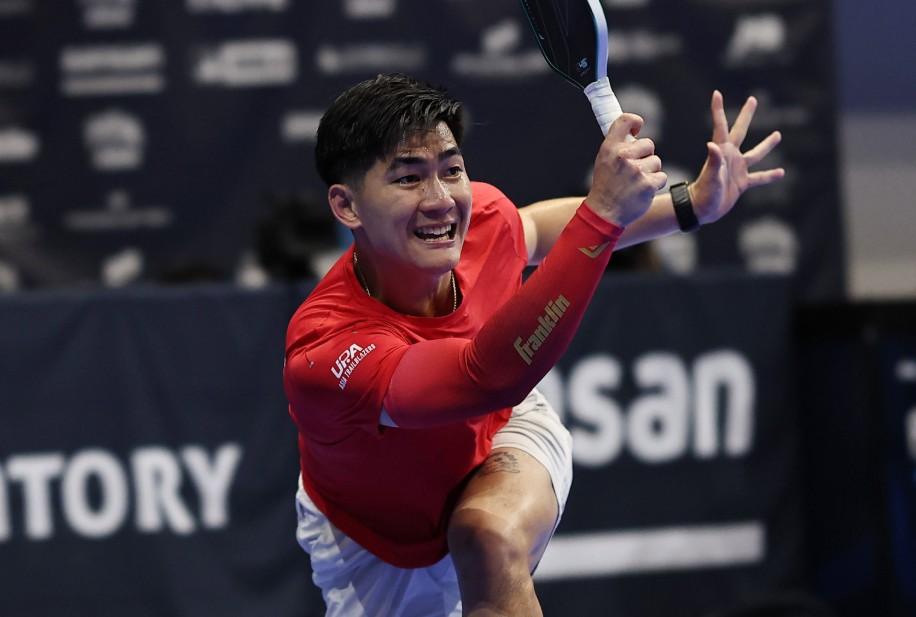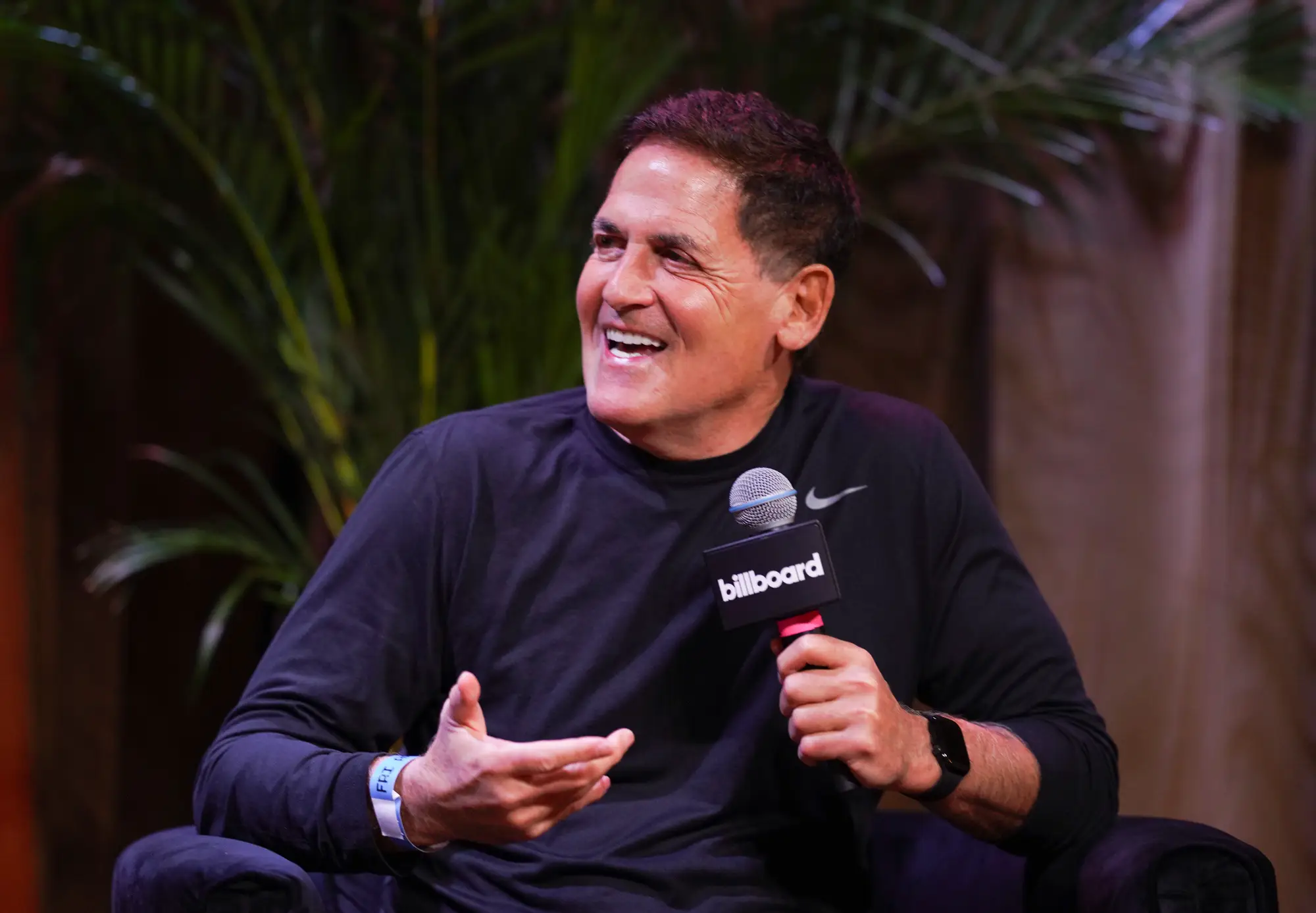

Billionaire entrepreneur Mark Cuban has offered a bold take on the AI race, suggesting that many of the data centers being built today could eventually become obsolete—and even joked they might end up as pickleball courts.
Key Highlights
- Mark Cuban says future AI efficiency could make many new data centers unnecessary.
- He jokingly suggested surplus facilities could eventually be converted into pickleball courts.
- Cuban compared today's AI infrastructure race to the fiber-optic boom before the dot-com crash.
- He believes any AI downturn would likely hit private investors more than the broader public market.
Mark Cuban Questions the AI Infrastructure Boom
Speaking on the All-In podcast, the former Shark Tank star and co-owner of the Dallas Flash pickleball team argued that improvements in AI models and computing hardware will eventually reduce the need for today's massive infrastructure expansion.
"If we don't get the same price-performance improvements on the AI side and on the data center side, I can't see how that happens," Cuban said, adding that there could eventually be "a lot of data centers that are going to be turned into pickleball courts."
Efficiency Could Outpace Infrastructure Growth
Cuban acknowledged that technology giants such as Meta and Alphabet are right to expect AI adoption to continue growing. However, he questioned whether companies are assuming current computing demands will remain unchanged as AI technology rapidly evolves.
He compared the situation to the telecommunications boom of the late 1990s, when companies rushed to install fiber-optic networks before advances in technology dramatically increased bandwidth efficiency. According to Cuban, similar breakthroughs in AI could significantly reduce the cost and computing power needed to train and run future models, leaving excess data center capacity.
Not Another Dot-Com Bubble
Drawing from his own experience after selling Broadcast.com to Yahoo for $5.7 billion before the dot-com crash, Cuban warned against planning for perfect demand growth. However, he stopped short of calling today's AI surge another internet bubble.
Unlike the dot-com era, he noted there are fewer unprofitable companies going public at inflated valuations and far less retail speculation surrounding AI startups. Instead, Cuban believes any correction would primarily impact venture capital firms, private equity funds and institutional investors that have invested heavily in AI infrastructure.
AI Investment Debate Continues
Cuban joins a growing list of high-profile investors questioning the scale of AI infrastructure spending. Investors including Michael Burry and Jeremy Grantham have also warned that companies could be overbuilding data centers and chip capacity based on overly optimistic forecasts.
Supporters of the current investment boom argue that next-generation AI systems will require enormous computing power, ensuring new facilities remain in high demand. Skeptics, however, believe rapid technological progress could undermine those assumptions.
For now, data center construction continues at full speed. Whether these facilities become the backbone of the AI economy—or, as Cuban humorously suggested, future pickleball venues—will depend on how quickly AI technology continues to evolve.