

The specter of Max Verstappen walking away from Formula 1 looms large, making the ongoing debate over the 2026 power unit regulations the most critical battle off-track. The three-time world champion has been outspoken, stating he could exit the sport if the engine rules don't evolve to his liking. His future, arguably the biggest story in Formula 1, now hinges on bureaucratic decisions.
Key Points for Fans:
- Max Verstappen continues to voice strong criticism regarding the 2026 F1 engine regulations.
- The FIA is pushing for a crucial 60:40 internal combustion to electrical power split for 2027.
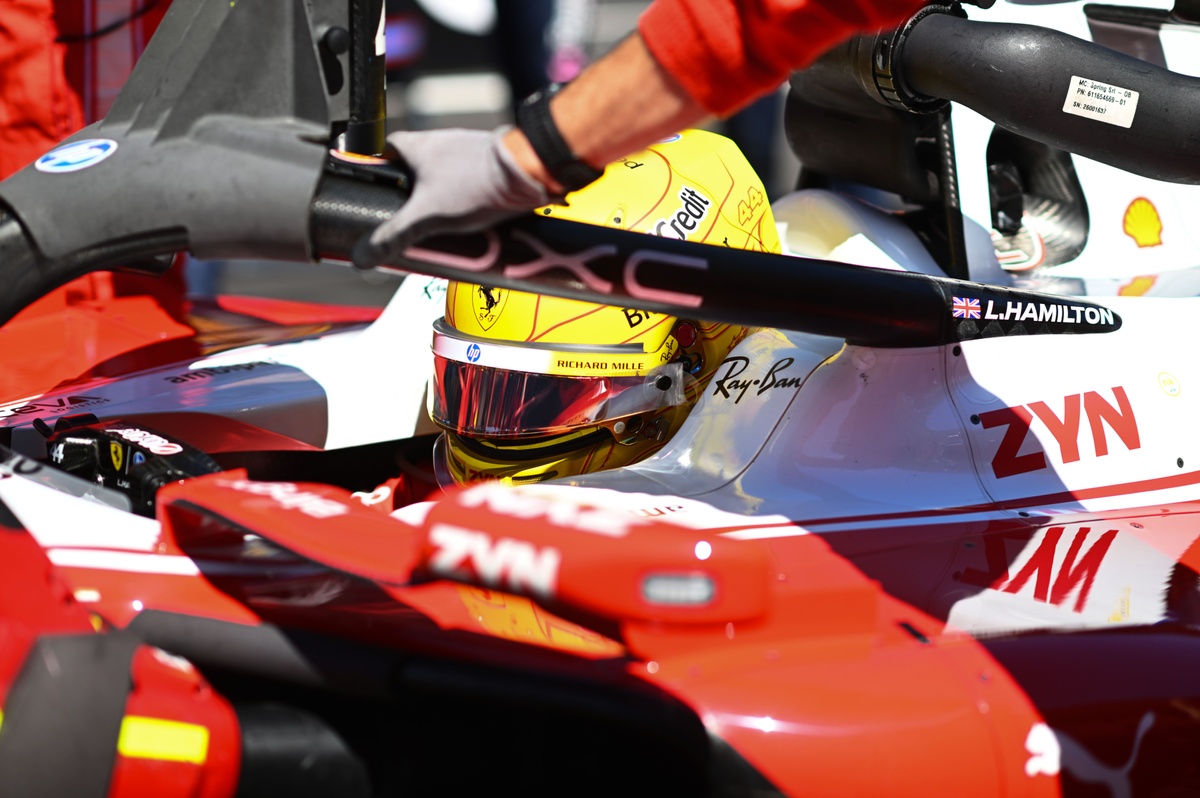
- Audi, Ferrari, and Honda are reportedly resistant to implementing the changes by 2027.
- Red Bull's Laurent Mekies believes engine suppliers will ultimately prioritize the sport's health.
The Power Unit Predicament: 2026 Rules Under Fire
The heart of the issue lies in Formula 1's ambitious 2026 power unit overhaul. Initially designed with a near 50:50 split between traditional engine and electrical power, it's drawn significant criticism. Drivers and teams, including Verstappen, fear this balance could lead to cumbersome cars and a less engaging racing spectacle. The current rules are seen by some as a potential misstep that could hinder the sport's appeal.
Pushing for Progress: FIA's 2027 Solution
In response to mounting concerns, the FIA has put forward a proposal to adjust the power unit split to 60:40 for 2027. This shift aims to increase the reliance on the internal combustion engine, making cars more powerful and potentially more dynamic to drive. Max Verstappen has publicly supported this proposed change, viewing it as a necessary step for the sport's direction.
Manufacturer Resistance: A Sticking Point
Despite the clear benefits for racing and driver satisfaction, the 2027 proposal faces stiff resistance. Power unit suppliers like Audi, Ferrari, and Honda are reportedly lobbying against the immediate implementation, preferring to delay the changes until 2028. Achieving the necessary supermajority vote among manufacturers is proving challenging, creating a deadlock that directly impacts Verstappen's commitment.
Red Bull's Optimism: A Call for Unity
Amidst the political maneuvering, Red Bull boss Laurent Mekies remains remarkably optimistic. He believes that, ultimately, the power unit manufacturers will come together for the greater good of Formula 1. Mekies emphasized that the financial investment required for these hardware changes is minor compared to the overall scale and value of the sport. He urges a swift resolution to enhance the racing product.
The Cost vs. Sport Debate
Mekies bluntly stated that the "amount of investment is not relevant compared to the size of the sport." The proposed technical adjustments—increasing fuel flow and tank capacity while reducing energy deployment—do involve costs. However, Red Bull argues these are a small price to pay to ensure the sport's top talent remains engaged and the on-track action stays thrilling. This saga highlights the complex dance between technical innovation, competitive advantage, and the sport's entertainment value.