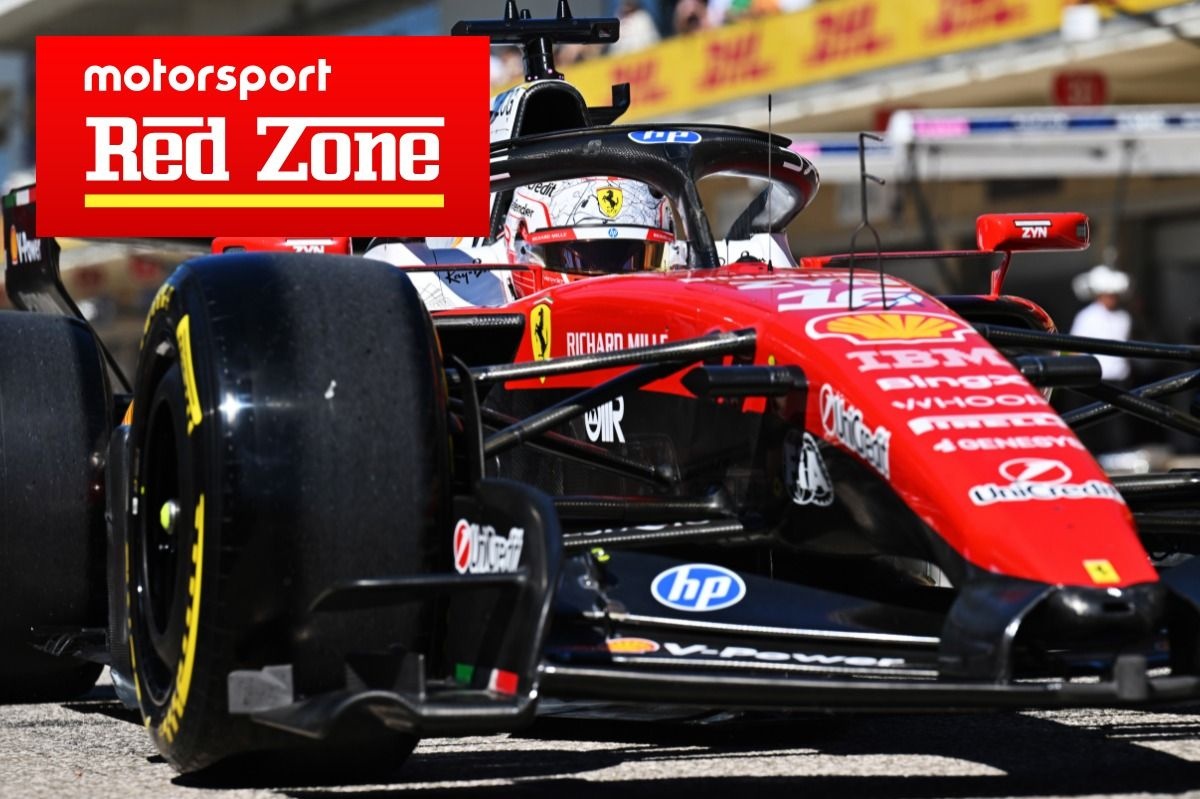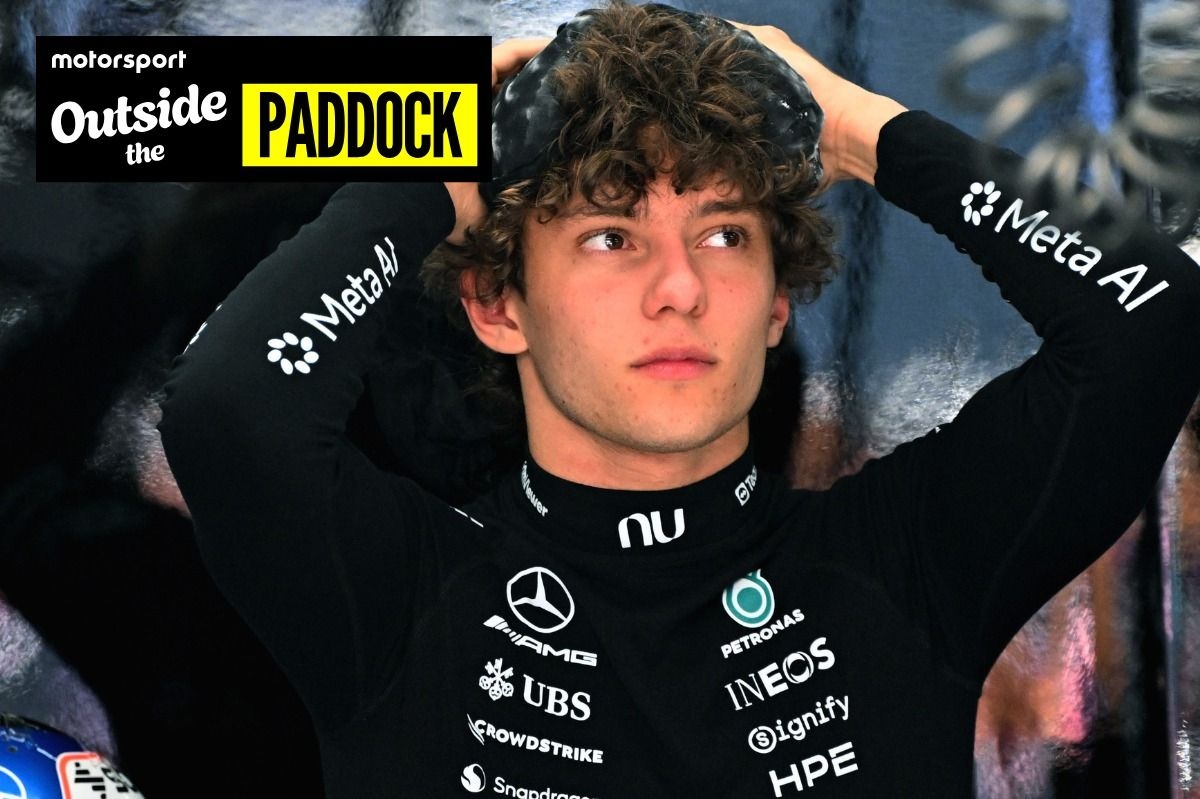



It's a brutal reality check for McLaren fans: despite a couple of thrilling mid-season wins, the MCL40 remains a temperamental beast, described by Lando Norris as a car that demands perfection to even be competitive. "To get the car to be quick, we just have to try so hard to be perfect, and you cannot be perfect," lamented Norris after practice for the United States Grand Prix in Austin. The team is "just a step behind," and its ambitious final upgrade push for the 2026 season is now underway, aiming to solve these fundamental issues.
McLaren's F1 Challenge: Key Takeaways
- The MCL40's Temperament: The car is notoriously "knife-edge," requiring immense concentration and proving difficult to consistently extract performance from.
- Norris's Driving Style Hindered: Lando Norris's unique feel-based approach is stifled by current suspension geometry, reducing his trust in the car's grip.
- Phased Upgrade Rollout: A critical final package of upgrades is being introduced across the Austin, Brazil, and Las Vegas GP weekends.
- New Aero Direction: McLaren has committed to a revised aerodynamic philosophy, first seen in Baku, as a foundational step for future performance ceilings.
The Mental Gauntlet: Norris on the Edge
For a driver of Lando Norris's caliber, a car that's "just on a knife edge on every single corner" is a draining proposition. It forces him to "drive it within an exact percent" and "force the car in every single way." This isn't just about speed; it's about the sheer mental energy required to tame a car that refuses to cooperate, making consistent top-tier performances a monumental task. The early-season victories now look more like flashes of brilliance than a sustained competitive shift for McLaren.
Unpacking the MCL40's Performance Puzzle
The MCL40 has shown flashes of brilliance in high-speed corners, but its Achilles' heel remains glaringly obvious: slow-corner performance and outright straight-line speed. This isn't just an aero issue; it's deeply rooted in the car's fundamental setup. The nervous handling characteristics further compound the problem, making it a nightmare for drivers to push to the absolute limit.
Why Lando Norris Struggles: The Feel Factor
Norris possesses a distinctive driving style, renowned for his shallow apex approach and uncanny ability to blend throttle and brake. His greatest strength lies in his exceptional feel for the front tires' lateral grip mid-corner, which he masterfully uses to rotate the car. However, modern F1 car design, specifically the trend towards high anti-squat and anti-dive suspension geometry, inadvertently strips away this crucial "feel." This setup, while stabilizing the aero platform, smothers the critical feedback about tire grip, leaving Norris unable to fully trust either end of the car. It's no coincidence that a previous front suspension geometry tweak significantly boosted his performance.
McLaren's Crucial Upgrade Offensive
Recognizing these deep-seated issues, McLaren is embarking on its most crucial upgrade offensive of the 2026 season. The first phase debuted at the United States Grand Prix in Austin, featuring a revised front-end geometry and reprofiled diffuser components. This will be followed by further enhancements in Brazil and potentially for the Las Vegas GP, depending on manufacturing timelines. The components were finalized between the Dutch GP and Italian GP, with the team's design focus now entirely shifted to the 2027 car.
The Baku Baseline: A Foundational Shift
The seeds of this late-season push were sown back in April, during the unexpected interregnum caused by race cancellations. McLaren engineers identified a "new aerodynamic direction," believing it offered a higher performance ceiling than their initial 2026 concept. The first iteration of this new philosophy was introduced at the Azerbaijan GP in Baku, bringing a dramatically different sidepod profile and revised floor/diffuser elements.
Team Principal Andrea Stella stressed that the Baku update wasn't expected to deliver an immediate, massive lap time boost. Instead, it was "foundational" – establishing a new baseline for subsequent developments. Early issues, including a fuel injection problem for Norris and an unoptimized Mercedes power unit, initially masked its true potential. But for Stella, these updates are key to "hopefully we will be back to being in condition to score podiums and hopefully, once the full package is delivered, to compete for the victory."
Beyond the Instant Fix: Playing the Long Game
In the fast-paced world of Formula 1, upgrades aren't always plug-and-play solutions. They often require extensive calibration and driver adaptation. Norris himself acknowledged this, stating, "Upgrades are not always just you put them on and things work." The ultimate goal isn't just raw speed but also to make the car "easier to drive and ease of extracting performance." McLaren's current strategy is a testament to this philosophy: methodically laying down a new technical foundation, not just for the remainder of 2026, but also crucially for their 2027 challenger. This is McLaren's long game, and the results of this final upgrade push will be a strong indicator of their future trajectory.