The championship battle in Formula 1 is a relentless test of speed and endurance, but for Mercedes, recent races have exposed a glaring vulnerability: a persistent power unit issue that has mercilessly snatched victory and vital points. After a string of agonizing retirements impacting both their works team and customer squads, Mercedes F1 has finally identified the culprit behind their recent reliability woes: a critical flaw within their battery system.
Key Takeaways:
- Mercedes has pinpointed a battery issue as the cause of recent retirements.
- Both George Russell and Kimi Antonelli suffered race-ending failures linked to this problem.
- Customer team McLaren also experienced related electrical troubles, impacting Lando Norris and Oscar Piastri.
- Mercedes Technical Director James Allison confirms a permanent fix is actively being developed.
Silver Arrows' Struggle: A Season of Unwanted Surprises
George Russell was leading the Canadian Grand Prix when his Mercedes power unit failed. Just last weekend, Kimi Antonelli faced the same devastating fate, running second at the Barcelona GP. These high-profile DNFs sent shockwaves through the paddock.
Team Principal Toto Wolff had vowed to "leave no stone unturned" following Barcelona, emphasizing the unacceptable nature of these reliability blips in a fierce championship fight.
The Core Problem: Battery Under Scrutiny
The post-race analysis of Antonelli's car at Barcelona yielded crucial answers. James Allison, Mercedes Technical Director, confirmed the team has zeroed in on the power unit's battery as the source of the trouble.
Allison noted that while not "all identical," several Mercedes-powered cars have been sidelined by issues "originat[ing] in the same broad part of the battery." This points to a systemic flaw, not isolated incidents.
Ripple Effect: McLaren's Electrical Headaches
The reliability crisis isn't confined to the factory team. McLaren, a significant Mercedes customer, has also been plagued by electrical problems.
Lando Norris required a battery change during the Monaco GP weekend and later retired from the race. Both Norris and Oscar Piastri failed to start the Chinese GP due to separate, but related, electrical complications. This widespread impact underscores the severity of the underlying issue.
Engineering the Solution: From Caution to Cure
Mercedes is now racing against time to implement a lasting solution. Allison explained the team's two-pronged approach. Initially, they might "take a slight half-step backwards" by running equipment less aggressively to prevent further failures.
Simultaneously, a dedicated team is working to "design out" the root cause, developing new, more robust "modules" (batteries). The goal is to ensure components can withstand extreme racing conditions without compromise. "With a bit of luck, when we start to sort of phase in the new modules into the racing season," Allison stated, "then our fortunes as a fleet should pick up."
Championship Implications: Every Point Counts
These reliability issues have come at a significant cost for Mercedes. The retirements in Canada and Barcelona alone have effectively cost the team 43 points.
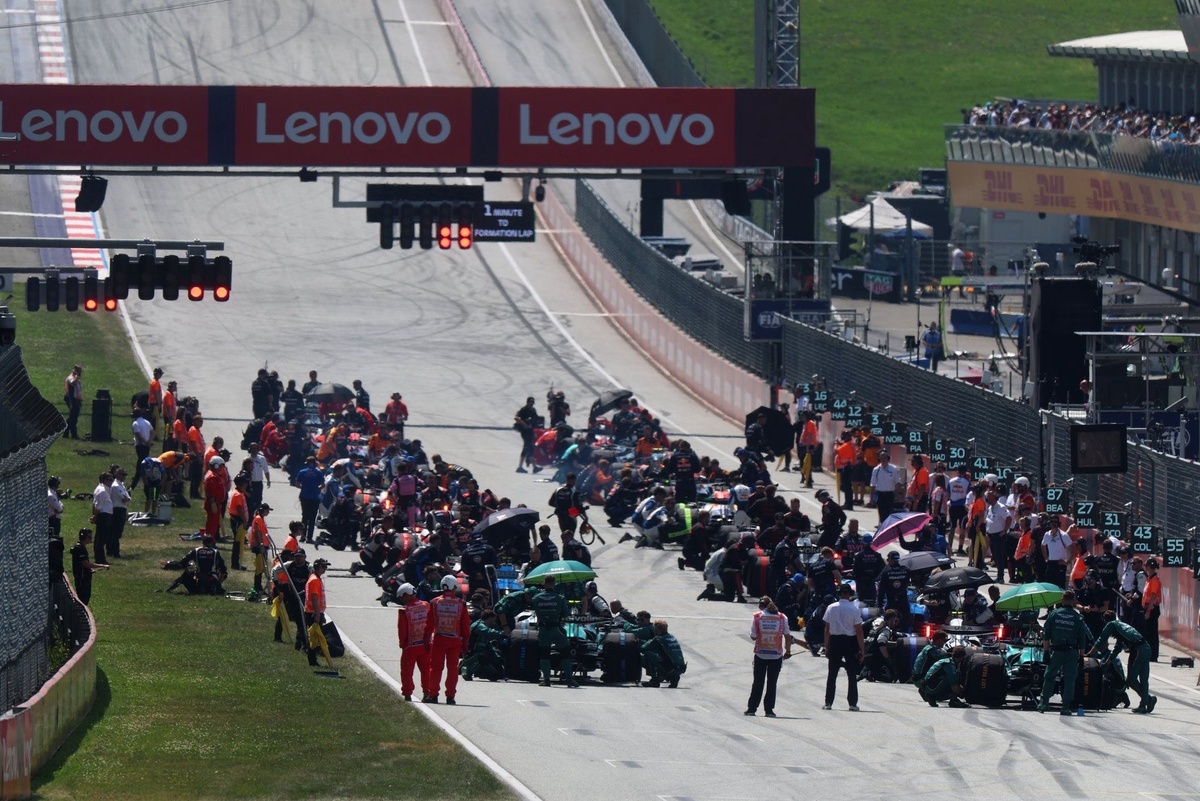
Their once dominant position in the Constructors' Championship has seen its lead over Ferrari shrink to a more vulnerable 72 points. With the demanding schedule of four races in five weeks, starting with the Austrian GP, Mercedes has no time to waste in securing their fix and restoring full confidence in their power unit. The stakes couldn't be higher.