


The Unraveling Start: Antonelli's Frustrating First Laps
While Mercedes boasts a perfect Formula 1 record of four wins from four races, the Miami Grand Prix highlighted a tightening competitive field. Rivals like McLaren, Ferrari, and Red Bull arrived in Florida with significant upgrades, demonstrating the relentless pace of development in F1.
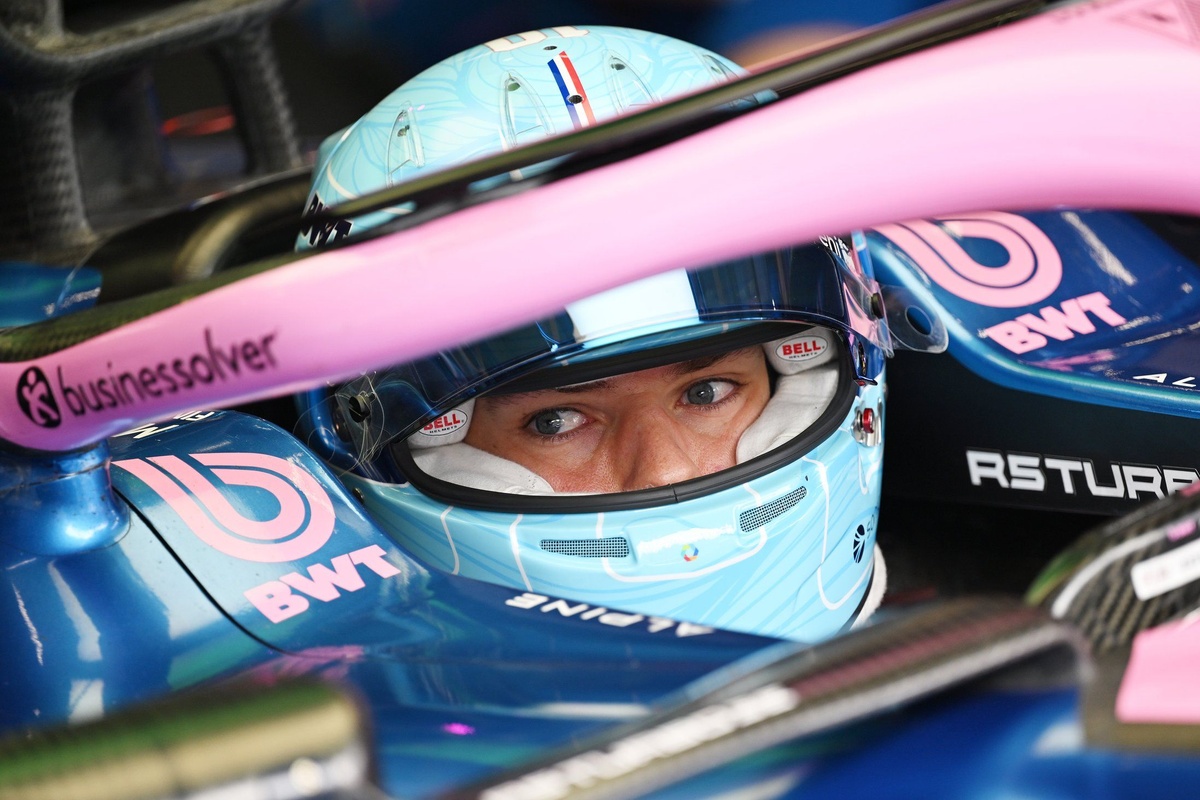
For Mercedes, attention is not only on the upcoming Canadian Grand Prix upgrade package, but also on a deeper issue; their weak performance at race starts. Championship leader Kimi Antonelli has been particularly impacted, hemorrhaging a staggering 18 places over the first laps of the season's initial three race weekends. The Miami sprint added another 6 places lost, with 2 more forfeited in the main race – a combined 26 positions given away.
Wolff Sounds the Alarm: "Unacceptable" Performance
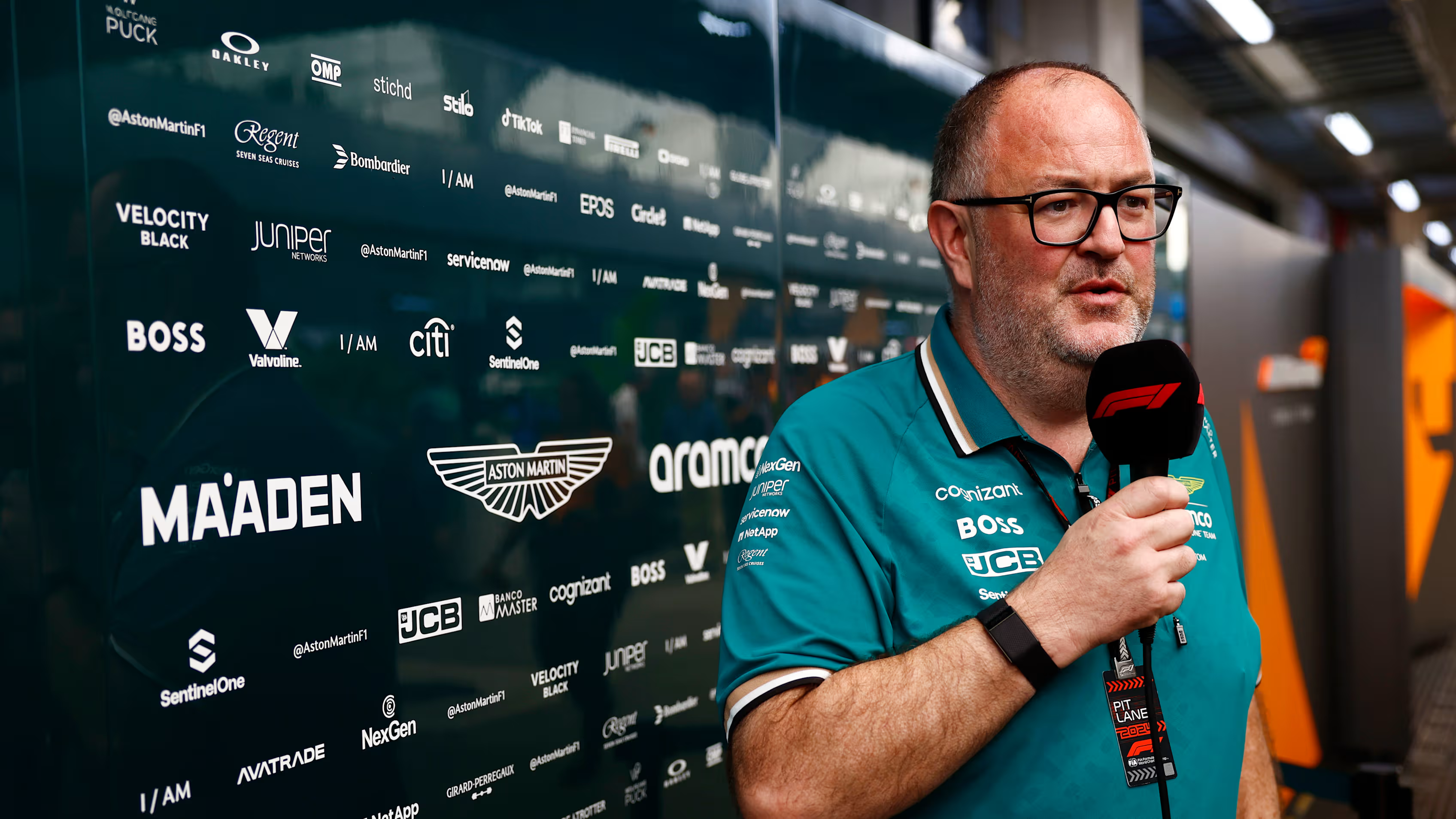
Team Principal Toto Wolff minced no words, squarely attributing the poor starts to the team, not the drivers. "It's not at all on him [Antonelli]," Wolff stated. "I think today and yesterday was a team mistake. And it's just, we all know, it's just not good enough."
Wolff's frustration is palpable. He went further, calling the starts "not acceptable" for a team vying for both world titles. "We need to fix it – we've been watching this for far too long," he declared, emphasizing the critical nature of the problem.
Racing Against Time: Why Mercedes Must Find a Solution
Previously, Mercedes' outright pace allowed them to recover from a compromised start. However, as Wolff admits, that advantage is eroding. The competition is catching up, and the luxury of making up lost ground is diminishing rapidly. "We are the only ones who, let's say, don't get that right now for a few races," Wolff lamented.
He underscored the urgency: "The gaps are not big enough to cruise into the sunset. And therefore you can't be missing starts." The problem stems from the tools provided to the drivers, whether it's the clutch mechanism or the accuracy of grip estimates, indicating a deep-seated technical issue within the team's start procedure.
No Easy Fix: FIA Won't Be a Lifeline
The onus to resolve these starting woes rests squarely on Mercedes. The FIA has made it clear that regulatory changes won't be a lifeline. A new safety system is being trialled in Miami and Montreal, featuring a “low power start detection” designed to identify cars with unusually low acceleration after clutch release and automatically trigger a limited MGU-K boost to ensure a baseline level of acceleration.
However, officials have stressed that the measure is primarily aimed at improving safety and preventing dangerous start scenarios, rather than rescuing performance deficits for struggling teams. FIA single-seater director Nikolas Tombazis also emphasized, “We made it clear that first of all this is not supposed to be a mechanism whereby people would be, let's say, even tempted to do it on purpose to come up better off,” adding, “So what this would convert is a disastrous start to a bad one. It would not convert a bad one to a good one.”
As a result, improving race starts, together with the first major upgrade package for Montreal, remains a top priority for Mercedes.