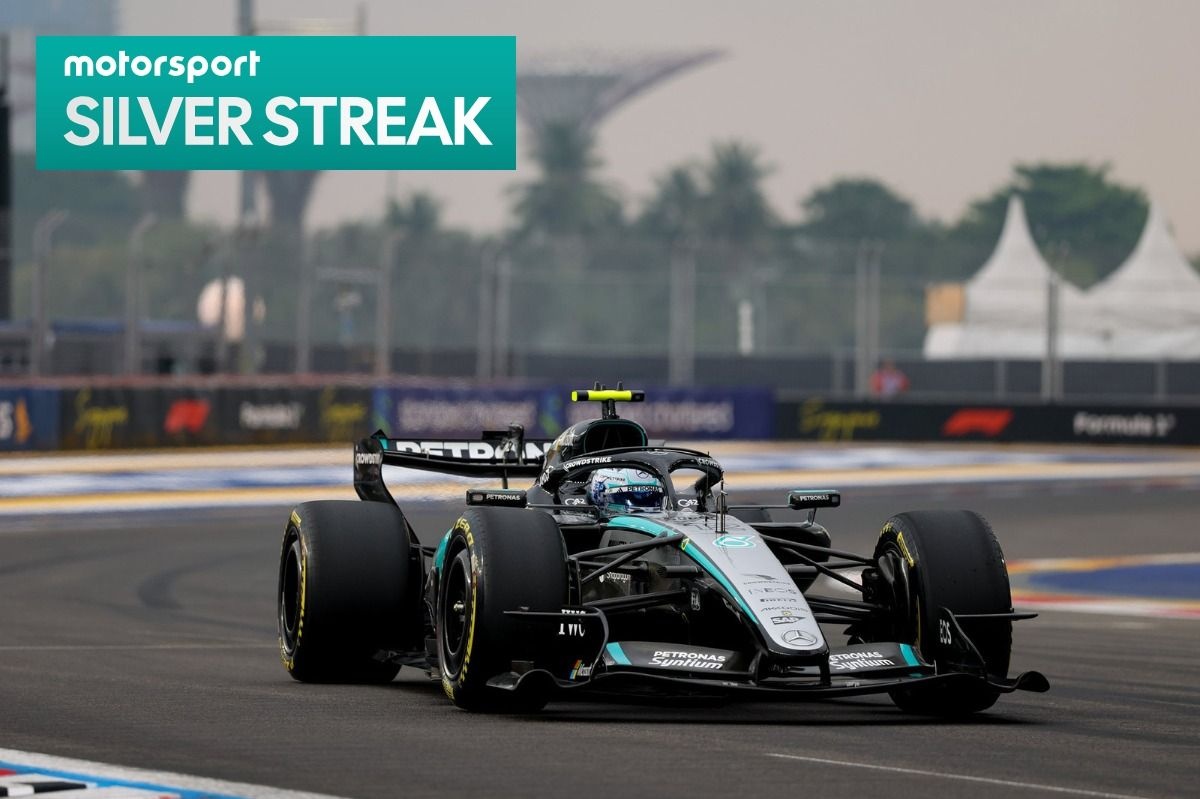
Mercedes explored the idea behind Formula 1's eye-catching rotating ‘Macarena’ rear wing long before rival teams brought their versions to the track. However, the team ultimately decided the potential aerodynamic gains did not justify the compromises. Deputy technical director Simone Resta has now explained the reasoning behind that decision, while leaving the door open for Mercedes to revisit the concept as F1 development continues.
Key Takeaways:
- Mercedes studied the concept early: The team had a rotating rear wing on its drawing board more than a year ago and evaluated it in detail.
- Downforce was the key compromise: Although the design can reduce drag, Mercedes was concerned about losing downforce when operating the system.
- Rival teams have adopted the idea: Ferrari introduced the concept, Red Bull followed with its own version in Miami, and McLaren has tested a design of its own.
- Mercedes leads without it: The team holds a 134-point advantage over Ferrari in the constructors' championship, while Kimi Antonelli leads George Russell by 102 points in the drivers' standings.
Why Mercedes Rejected the Macarena Rear Wing
The rotating rear wing has emerged as one of the most distinctive aerodynamic innovations of Formula 1's current regulations era. Nicknamed the ‘Macarena’ wing, the design rotates its main flap when the car switches into straight-line mode, helping reduce drag.
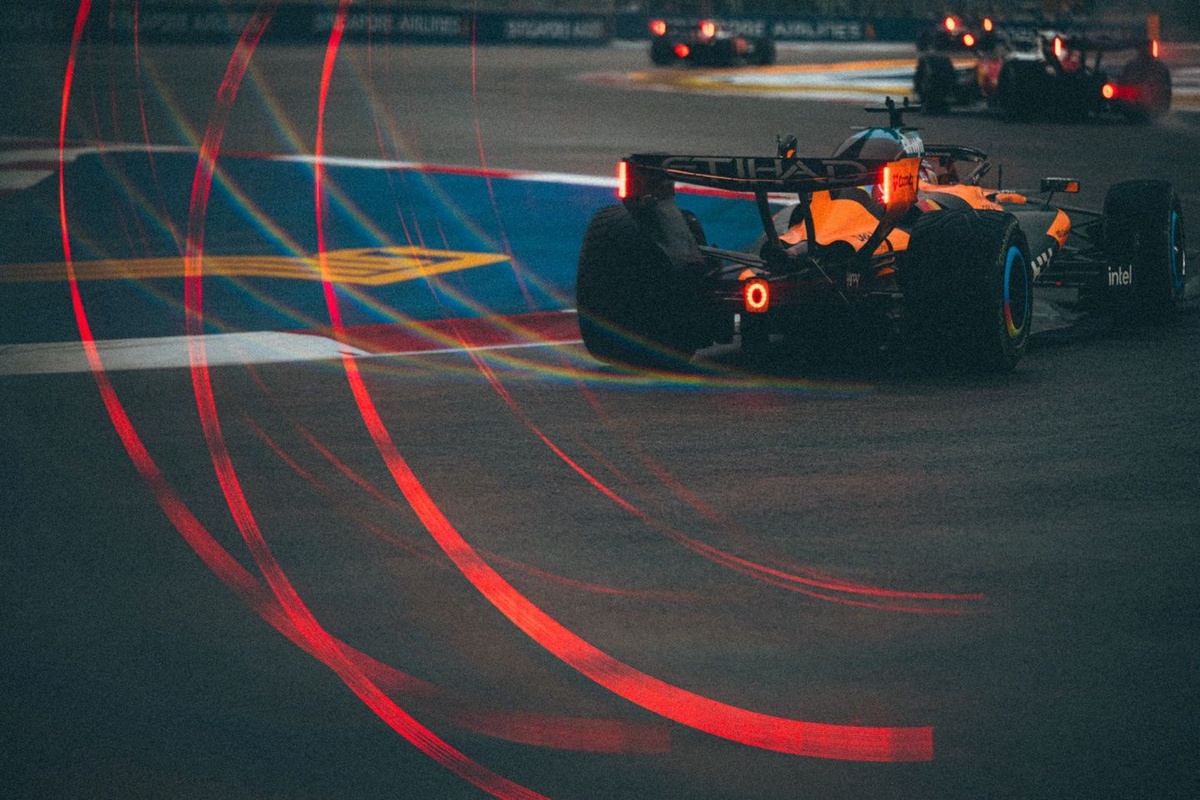
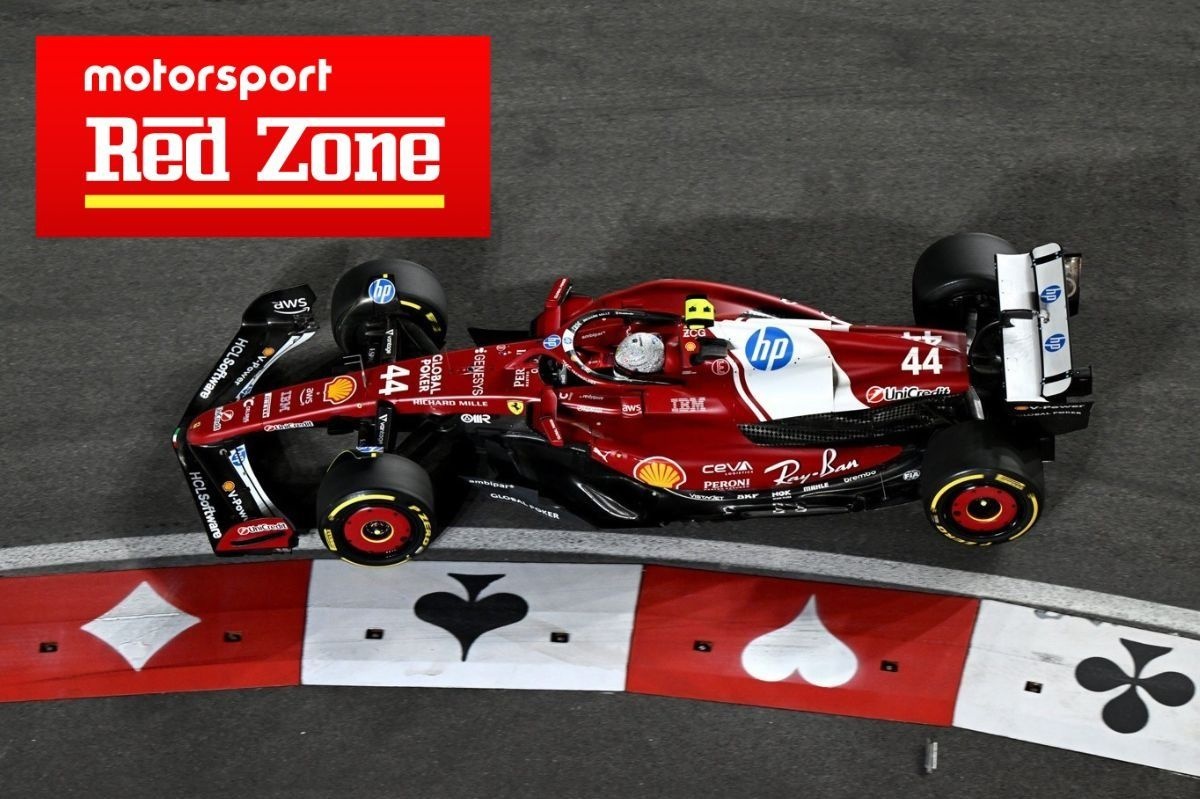
Ferrari was the first team to introduce the concept, with Red Bull subsequently bringing its own version to Miami. McLaren has also tested a rotating design and indicated that it intends to race one in the future. Mercedes, meanwhile, has remained the only team among the top four yet to run such a system on track.
Speaking on the team's Nu Silver Arrows Radio Show, deputy technical director Simone Resta revealed that Mercedes had already examined the idea well before its rivals' designs appeared. “We've been evaluating this concept quite in detail and it's clearly offering a benefit in drag reduction, but it's also coming with a reduction of downforce in every session you operate the Open SM,” Resta explained.
After weighing the advantages against the aerodynamic trade-offs, Mercedes decided the design was not the best overall compromise to justify further development and component production. However, Resta stressed that the decision was not necessarily permanent. Mercedes continues to assess rival innovations and could reconsider its position if the potential benefits become more compelling.
Mercedes Leaves the Door Open to Future Development
Although Mercedes has not adopted the rotating rear wing, Resta made clear that the team remains open to revisiting the concept as its understanding of the technology evolves. The team's approach is to keep evaluating available solutions and determine whether any could offer a worthwhile advantage. That means the current decision should not be viewed as a permanent rejection of the design.
For now, Mercedes appears comfortable with its existing aerodynamic package, but the rapid development race across the grid means the team will continue monitoring what its competitors bring to the track.
Mercedes Maintains Championship Advantage Ahead of US GP
Mercedes' decision to forgo the rotating wing has not stopped it from building a strong championship position. The team leads the constructors' standings with 578 points, holding a 134-point advantage over Ferrari heading into the United States Grand Prix. In the drivers' championship, Kimi Antonelli leads teammate George Russell by 102 points, giving Mercedes a strong position in both title battles.
The team's immediate focus is on its latest upgrade package. During the Singapore Grand Prix, the new components were split between the drivers, with Antonelli using the updated specification while Russell ran the older version. Mercedes team principal Toto Wolff has since confirmed that both cars are expected to receive the new components at the United States Grand Prix.
With the championship fight progressing and rival teams continuing to develop their cars, Mercedes must decide whether its current approach remains the right one or whether innovations such as the Macarena wing could eventually offer an advantage worth pursuing.