

Forget everything you thought you knew about traditional Formula 1, the Miami Grand Prix has evolved far beyond just a race. What was once brushed off as a flashy experiment has, in only five years, grown into a full-scale cultural event, reshaping the sport’s presence in the U.S. and setting a new benchmark for how global sporting spectacles are staged.
Key Takeaways:
- The Miami Grand Prix has evolved from a contentious "gimmick" into a blueprint for major sporting spectacles, blending sports, fashion, tech, and music.
- Its intricate setup transforms Hard Rock Stadium into a vibrant, multi-zone campus in a record 12 days.
- The event delivers massive economic benefits to South Florida, generating an estimated $1.5 billion and securing its future through 2041.
- Miami's unique, accessible approach has broadened Formula 1's appeal, attracting diverse new audiences, including 40% women ticket buyers.
From Parking Lot Paddock to Global Powerhouse
For many purists, the idea of Formula 1 in a stadium parking lot, complete with a "vinyl water" marina, seemed sacrilegious. Yet, the Miami Grand Prix has moved beyond these initial skeptics. It now stands as a powerful cultural force, seamlessly merging high-octane racing with the worlds of fashion, technology, music, and entertainment.
Engineering a Spectacle: The Hard Rock Transformation
Each year, the circuit around Hard Rock Stadium in Miami Gardens undergoes an astonishing transformation. This monumental task involves over 10 million pounds of steel, 570,000 square feet of turf, and 79,200 feet of fencing. What usually takes over a month is completed in a mere 12 days, transforming the Miami Open tennis venue into the most unique team village in F1.
The resulting campus is a dynamic mosaic of Miami's most iconic neighborhoods. Zones inspired by Brickell, Wynwood, Little Havana, and Miami Beach each boast distinct identities, cuisines, and energy. Over 100 dining options, including a crucial Community Restaurant Program supporting local, often female-owned, vendors, showcase the region's culinary diversity.
Beyond the Track: Miami's Cultural F1 Experience
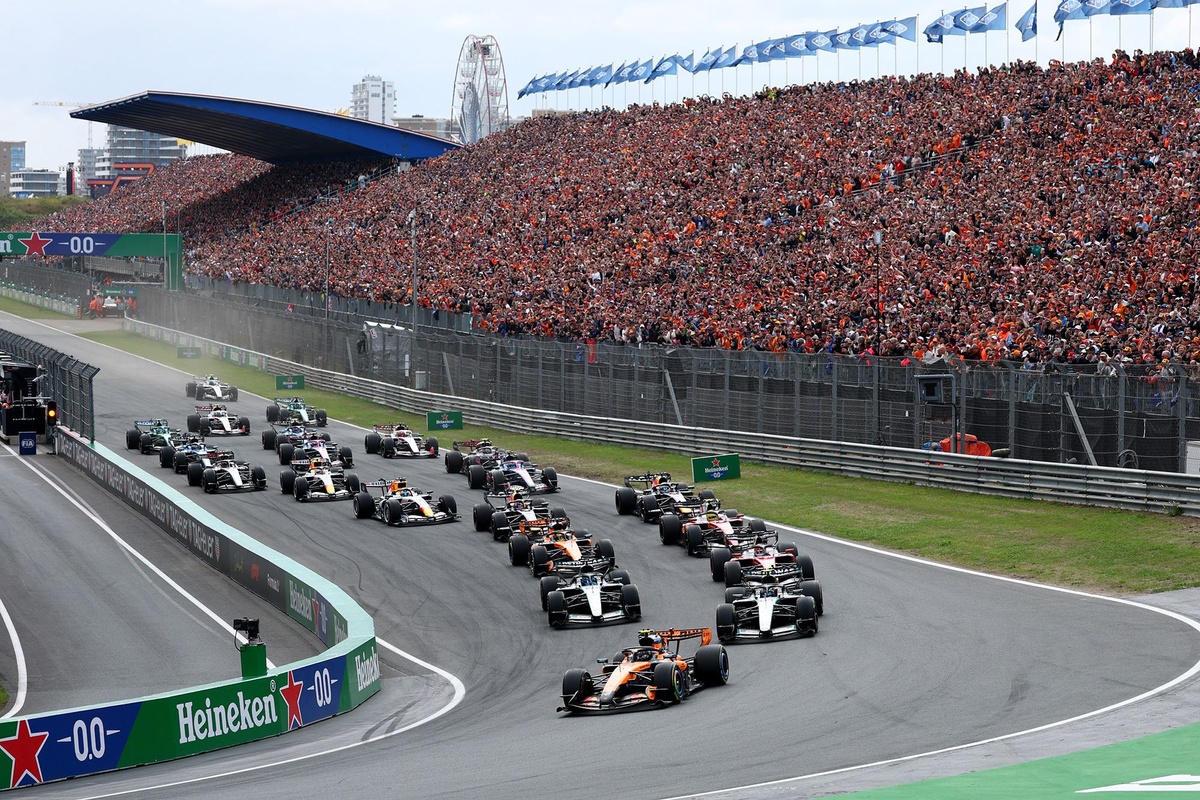
The action on the Miami International Autodrome is nothing short of thrilling. Drivers navigate 3.36 miles and 19 turns across a 57-lap Grand Prix and an additional 19-lap Sprint race. Speeds soar to 220 mph, demanding peak strategy and skill. While Max Verstappen initially dominated, recent years have seen McLaren rise, with Lando Norris clinching his maiden victory in 2024 and Oscar Piastri following in 2025.
The Star-Studded Miami Vibe
Off the track, the paddock buzzes like an exclusive theme park. Celebrities are now a staple, with A-listers like LeBron James, Michael Jordan, Tom Cruise, Serena Williams, and David Beckham routinely spotted. This unparalleled star power elevates the Miami Grand Prix beyond a sporting event to a true cultural moment.
Fan engagement explodes across the city. Team-specific fan zones, such as McLaren at Regatta Harbour and Williams in the Wynwood Marketplace, draw massive crowds. The official Fan Fest at Lummus Park on Miami Beach offers a free, five-day extravaganza with live track viewings, merchandise, and an incredible music lineup featuring acts like Nelly, Zedd, Marshmello, DJ Diesel (Shaquille O'Neal), and Kane Brown.
Fueling the Local Economy and Fan Growth
Over its initial four years, the Miami Grand Prix has injected an astonishing $1.5 billion into the region's economy. The event credentials 18,000 workers each weekend, predominantly locals. Hotels are consistently booked solid, restaurants thrive, and flights into MIA surge, creating a powerful economic ripple effect.
This immense success led to a 10-year extension through 2041 with South Florida Motorsports and Formula 1, a billion-dollar commitment to a market that once viewed F1 with skepticism. The race has also broadened F1's demographic, with approximately 40% of ticket buyers being women and over half traveling from out of state. The 2025 event alone drew 275,000 spectators, rivaling the attendance of the Super Bowl and the Masters.
The Future is Fast: Miami's Enduring F1 Legacy
Whether you're captivated by the celebrity spectacle or prefer the traditional race-day grit, the Miami Grand Prix is undeniably effective. It has taken a sport deeply rooted in European heritage and masterfully translated it into a language that resonates with the American market, forging a new, vibrant legacy for Formula 1 in the United States.