

Monaco F1 Pitlane Penalty Storm: Why Drivers Got Caught
Monaco always delivers drama, but this year, it wasn't just on track. A controversial wave of pitlane speeding penalties left drivers bewildered and fans questioning the rules, with miniscule infringements sparking a major debate.
Key Points from the Monaco Pitlane Saga
- Tiny Margins: Drivers were hit with penalties for exceeding the speed limit by less than 1 km/h, some by just 0.1 km/h.
- FIA's Verdict: No technical fault found in timing systems; the issue stems from drivers "cutting" the Monaco pitlane entry.
- The Monaco Anomaly: A specific kink in the pit entry allows drivers to take a tighter line, inadvertently triggering early speed measurement.
- Driver Frustration: Stars like Lewis Hamilton and Pierre Gasly felt unfairly penalised, despite engaging their speed limiters.
The Monaco Mystery: Why So Many Penalties?
Post-race, the paddock was buzzing with questions. Oscar Piastri, George Russell, Franco Colapinto, Pierre Gasly, and Lewis Hamilton were among those caught out. What made these penalties so contentious was their minuscule nature; in most cases, drivers were deemed over the limit by less than a single kilometer per hour.
Unpacking the FIA's Investigation
Following the uproar, the FIA swiftly reviewed its timing lines and measurement equipment. Their conclusion? No abnormalities were found. The governing body firmly believes the root cause lies in the line drivers choose when entering the pitlane, a specific quirk of the Circuit de Monaco.
The "Cutting Edge" of Pitlane Entry
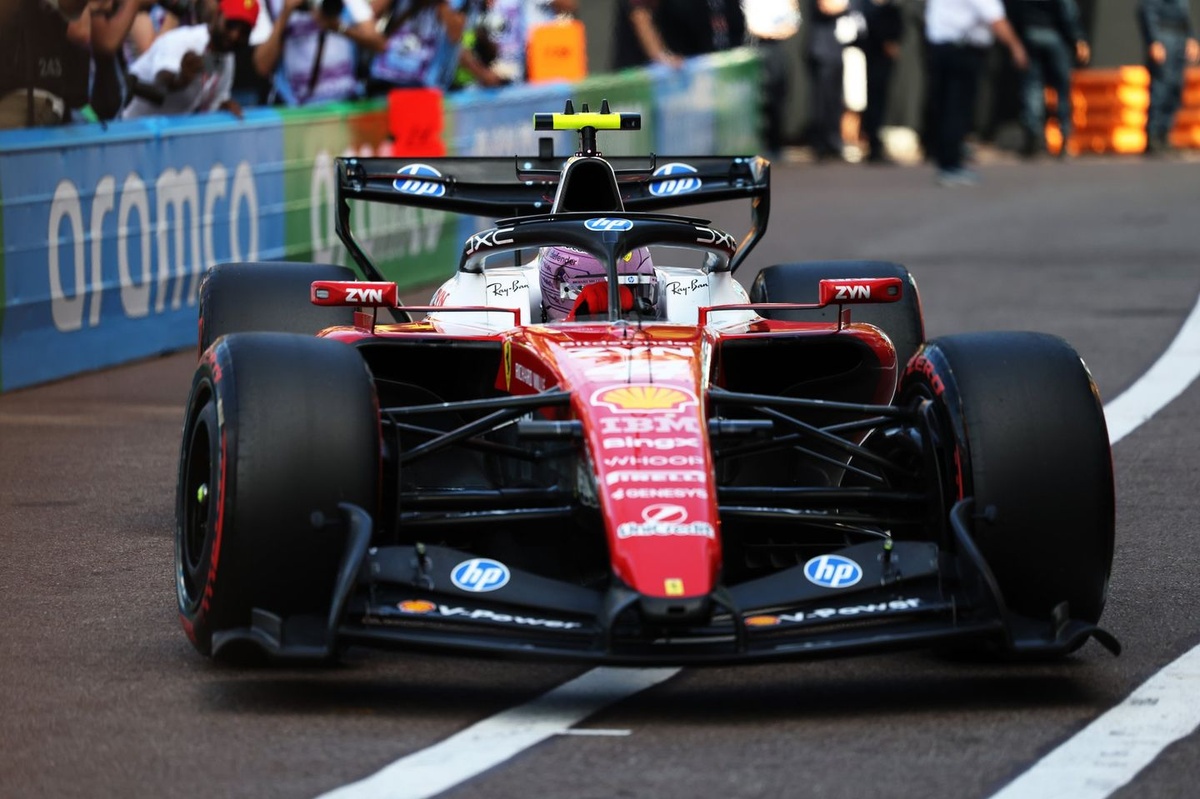
In Monaco, the pit entry features a unique kink that drivers can 'cut' slightly, shaving off a few meters. The FIA clarifies that speed measurement begins the moment a car's first wheel crosses into the fast lane. By cutting the entry, a driver's front-left wheel can trigger the measurement point earlier than intended, potentially while the car is still decelerating from track speed.
This early trigger point means that even with the speed limiter engaged, the average speed across the measured section can register a fraction over the limit. It’s a technicality, but one with real consequences.
Driver Reactions: Hamilton & Gasly Speak Out
Lewis Hamilton, who still secured a strong finish despite his five-second time penalty, was adamant. “I wasn't speeding. I've done this pitlane for years,” he stated. He echoed the FIA's theory, believing it was the line, not actual excessive speed, that led to his penalty. His frustration was palpable, highlighting the need for a closer look at the system.
Pierre Gasly's team, Alpine, has even requested a right of review. Gasly himself feels "robbed" of a potential podium, underscoring the severity of these seemingly minor infringements on race outcomes. McLaren team principal Andrea Stella also conceded that Piastri's penalty likely stemmed from "shortcutting too much."
Interestingly, many penalized drivers utilized Mercedes power units, but the FIA has confirmed this is a mere coincidence, unrelated to the engine or limiter calibration.
What's Next for Pitlane Protocol?
Crucially, the FIA had warned teams about this potential pitfall before the race, advising drivers to take a wider entry line. However, old habits die hard on a circuit where every millisecond and millimeter counts. This incident has certainly ignited a debate that could lead to clearer guidelines or adjustments to pitlane entry rules for future Monaco Grand Prix events, ensuring fairer outcomes for all.