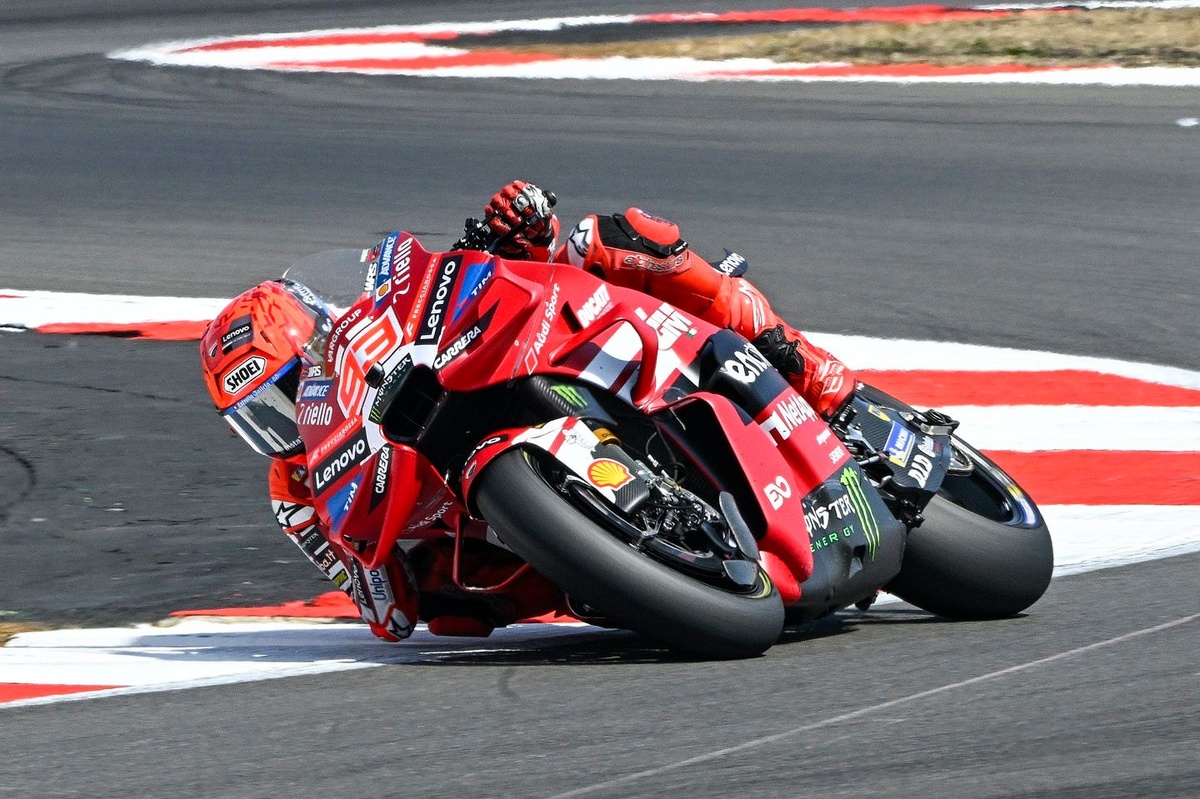



The MotoGP paddock is buzzing with a radical proposal that could fundamentally alter how teams sign their star riders. Faced with an unprecedented early rush in the rider market, key stakeholders are seriously exploring the introduction of a dedicated transfer window, a concept familiar to football fans. This bold move aims to reignite the focus on on-track heroics, rather than off-track contract speculation.
Key Points on the Proposed MotoGP Transfer Window:
- Formal Window: MotoGP is studying a specific timeframe for rider signings, mimicking football's transfer periods.
- Market Control: The initiative seeks to curb the early and disruptive rider market activity seen this season.
- High-Level Discussions: The IRTA Management Council convened at Silverstone to debate this and other critical issues.
- Divided Opinions: While Yamaha sees the idea as viable, Ducati expresses strong reservations regarding its feasibility.
Shaking Up the Grid: The Transfer Window Debate
The very essence of MotoGP lies in thrilling races and dramatic championship battles. However, the first half of this season saw the spotlight stolen by a frantic rider market, with major deals for the 2027 grid being sealed months, even years, in advance. This shift has prompted a serious re-evaluation by the sport's governing bodies.
Why the Sudden Push for Change?
Traditionally, the summer break was the unofficial deadline for rider transfers. This year, however, contracts began to solidify at an alarming rate as early as January. This accelerated timeline left fans and pundits discussing future lineups more than current race results, threatening to dilute the competitive spirit of the present season.
The IRTA Management Council, a newly formed body comprising team representatives and MotoGP sporting director Carlos Ezpeleta, recently dedicated nearly three hours at Silverstone to this very issue. Their goal: to find a mechanism that brings stability and a sense of order back to rider acquisitions.
The Early Market Frenzy That Sparked the Debate
The current season's market truly kicked off early, setting a worrying precedent. Reports surfaced in January detailing Fabio Quartararo's potential switch to Honda, with Jorge Martin rumored to take his place at Yamaha. Shortly after, the blockbuster news of Pedro Acosta agreeing to join the factory Ducati garage alongside Marc Marquez for 2027 sent shockwaves through the paddock.
By the time the summer break usually arrives, nearly 80% of the grid for the 2027 season was already locked in. While securing talent early is a valid strategy for teams, this unprecedented speed undeniably shifted focus away from the nail-biting action on the track and towards a distant future.
Navigating the Complexities: A Divided Paddock
Implementing a MotoGP transfer window is no simple feat. The complexities extend beyond just senior riders, needing to account for promotions from junior categories like Moto2 and Moto3. Any framework would require careful consideration and potential exceptions to ensure aspiring talents aren't unfairly restricted.
The initial discussions reveal a split within the paddock. Manufacturers like Yamaha are reportedly enthusiastic, viewing the window as a positive and achievable solution to bring discipline to the market. Conversely, powerhouses like Ducati are more skeptical, pointing to the inherent difficulties and potential bureaucratic hurdles in making such a system truly effective.
This move could be a landmark decision for MotoGP, redefining team strategies and rider careers. The debate is far from over, but the intent is clear: to ensure the spectacle on the asphalt remains the undisputed star of the show.
.png)