

The heat is on in MotoGP, and it's not just the championship race getting intense! Riders faced brutal conditions at the Czech Grand Prix, prompting veteran Cal Crutchlow to issue a stark warning: MotoGP desperately needs a dedicated weather protocol, akin to Formula 1, to protect its athletes from extreme heat. This isn't just about discomfort; it's a critical safety issue demanding immediate attention.
Key Points:
- Cal Crutchlow called for a formal MotoGP weather protocol after enduring "one of the hottest races" of his career at Brno.
- Temperatures soared, with track heat exceeding 55C during the sprint race, creating hazardous riding conditions.
- Crutchlow and reigning champion Marc Marquez highlighted the physical toll and the added stress of pre-race procedures.
- A lack of rider unity and a fear of competitive disadvantage are cited as major obstacles to implementing safety measures.
MotoGP's Searing Challenge: Crutchlow Pushes for Heat Protocol
The Czech Grand Prix wasn't just a test of speed; it was an endurance trial against nature itself. With a suffocating heatwave gripping Europe, MotoGP riders battled temperatures that pushed their limits, turning the Brno Autodrom into a fiery crucible. Cal Crutchlow, stepping in for injured Johann Zarco, didn't mince words after his grueling experience. He unequivocally stated that MotoGP must consider adopting a weather protocol, drawing parallels with other premier sports.
"It was f*cking hot today... one of the hottest races I've ever done," declared Crutchlow.
Air temperatures soared past 30C, with the tarmac reaching a staggering 55C during the Saturday sprint. These extreme conditions aren't just uncomfortable; they impair concentration, amplify fatigue, and significantly increase the risk of rider error – a dangerous prospect at speeds exceeding 300 km/h.
The Inferno of Brno: A Rider's Perspective
Imagine being encased in leather, hurtling around a track while the air around you simmers and the asphalt radiates intense heat. That was the reality for MotoGP riders at Brno. Crutchlow detailed the physical toll, especially when riding in a pack.
"The heat on lap one, in the pack, pff," he recounted. "On Saturday, I thought my eyebrows were singed. On Sunday, I came from Turn 4 on the first lap, and went for my tear-off because it looked burned. There's that much heat coming from everyone's bikes when you're in a pack."
These aren't casual observations; they are visceral accounts of a hazardous environment. The sheer volume of heat generated by multiple bikes in close proximity creates an oven-like effect, severely impacting rider performance and safety.
Marquez Backs the Call: Scheduling Adds to the Strain
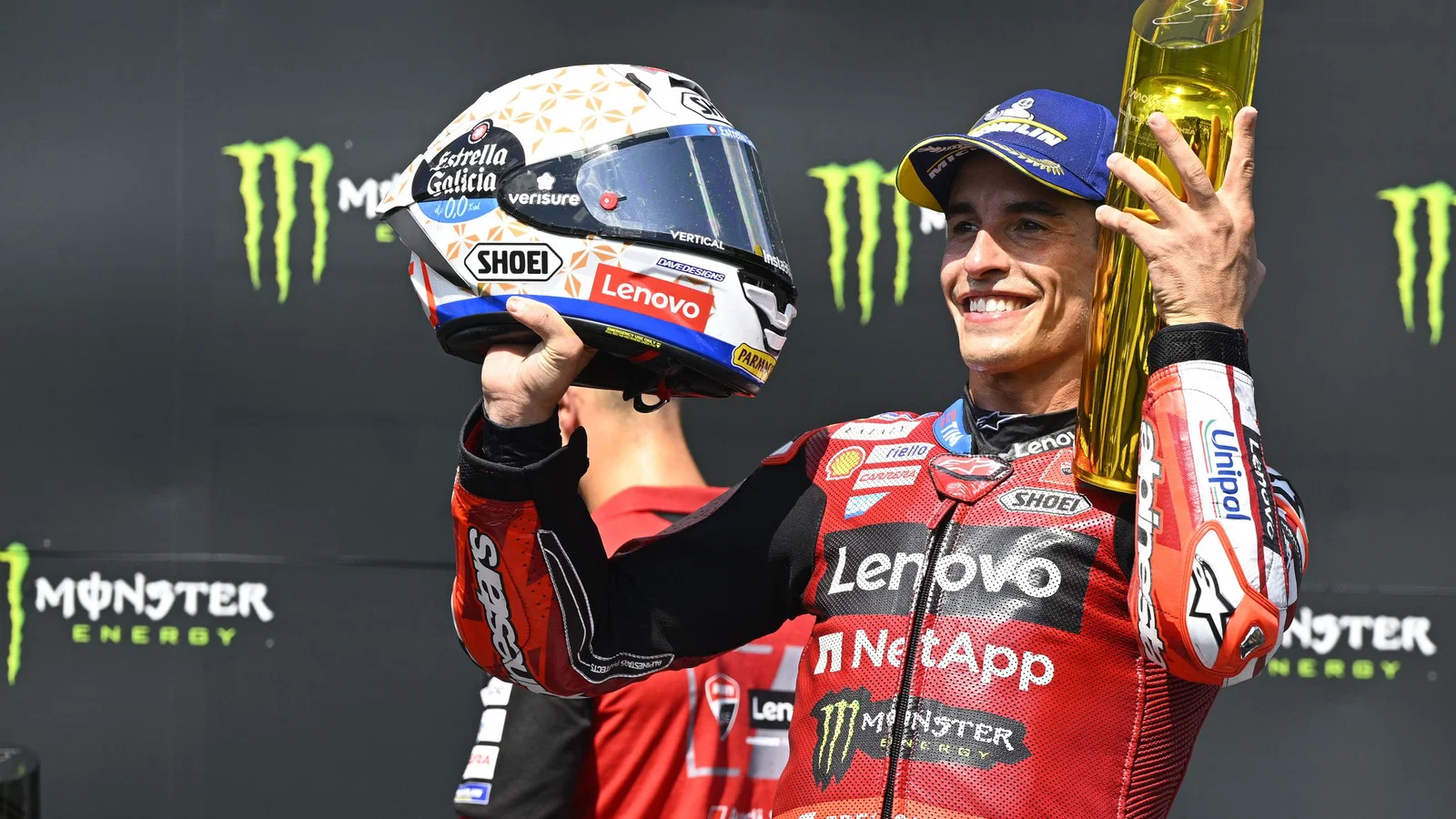
Reigning MotoGP champion Marc Marquez echoed Crutchlow's sentiments, highlighting how current pre-race procedures exacerbate the problem. Standing on the grid for extended periods under the scorching sun before even starting the race drains vital energy.
"I don't like the schedule," Marquez admitted after the sprint. "When you are there in the sprint with 55 degrees on the ground and 35 degrees in the air, you are waiting there for 25 minutes, sweating. So I don't like it, I hated that podium."
This insight reveals a systemic issue: the confluence of extreme weather and procedural delays creates an unnecessary additional burden on athletes already operating at the absolute peak of human physical and mental endurance.
F1 Leads the Way: A Blueprint for MotoGP?
Formula 1, also under the umbrella of Liberty Media, has already implemented a robust heat hazard protocol. Introduced after the punishing 2023 Qatar GP, this system automatically activates when ambient temperatures are forecasted to hit 31C or higher. Under these conditions, drivers are permitted to use specialized cooling vests, a simple yet effective measure to regulate body temperature.
This isn't theoretical; the F1 heat hazard protocol was triggered at both the Singapore and Miami events last year. Furthermore, F1 has also introduced a rain hazard warning system, demonstrating a proactive approach to diverse weather-related safety concerns. The infrastructure and precedent exist; the question is whether MotoGP will follow suit.
The Elephant in the Pit Lane: Rider Unity
Despite the clear dangers, Crutchlow points to a fundamental flaw preventing progress: a lack of collective action among riders.
"The problem you have here is the same as always, [not having] a riders' union," he explained. "One guy will race, so then everybody will race... they don't want somebody to have an advantage or they don't want their manufacturer to say to them, ‘Ah, you didn't do that race, so you're not getting paid.’ That's the reality."
This competitive spirit, while driving performance, becomes a formidable barrier to safety reform. Without a united front, individual riders are caught between their own well-being and the pressures of their teams and sponsors. Crutchlow starkly contrasted this with F1, where drivers "stick together" on such critical issues.
The call for a MotoGP weather protocol isn't just a suggestion; it's a cry for fundamental change in how rider safety is addressed in extreme conditions. As the climate continues to present new challenges, MotoGP must evolve to protect its most valuable assets: the riders.
.png)