


The roar of anticipation for safer MotoGP starts just met a stark reality check: a new ban on front holeshot devices has ignited a fierce debate among the grid's biggest stars. While officials aim to curb first-corner chaos, many riders warn this isn't the silver bullet for safety, and could even introduce new, unpredictable challenges.
Key Takeaways from the Holeshot Ban
- MotoGP has immediately outlawed front ride-height devices for race starts, aiming to boost safety.
- Riders are sharply divided on the measure, with some welcoming the change, while others express significant concerns.
- The ban follows multiple high-profile incidents, most notably at the crash-marred Catalan GP.
- Concerns persist that intense first-corner jostling and potential for increased wheelies will continue or worsen.
The Controversial Call: MotoGP's Safety Overhaul
The decision came swiftly, effective immediately for the upcoming Dutch GP. Following a harrowing Catalan GP where both Alex Marquez and Johann Zarco sustained injuries during chaotic first-corner incidents, MotoGP leadership moved to ban front ride-height devices at the start of races. The rear device, however, remains permissible. This marks a significant shift in race-start mechanics, a direct response to rising safety concerns.
Riders had a sneak peek at this change, practicing starts without the device at Brno. The early feedback was, predictably, a mixed bag, laying bare the complexities of modern MotoGP machinery and the relentless pursuit of an early advantage.
Rider Reactions: A Split Grid
The paddock is a microcosm of differing philosophies, and the holeshot ban is no exception. While the intent is clear, the practical implications are far from settled, with opinions swinging from cautious optimism to outright apprehension.
The Optimists: Safer Braking Zones?
Honda's Luca Marini welcomed the initiative, highlighting its potential to simplify the intense mental load at the start. "It is perfect," he declared. "We have one thing less to think about when we are arriving at Turn 1." He acknowledges that crashes won't vanish entirely, but believes the reduction of one variable is a step in the right direction. He also noted that the rear device, if not fully extended, isn't as perilous as a locked front system.
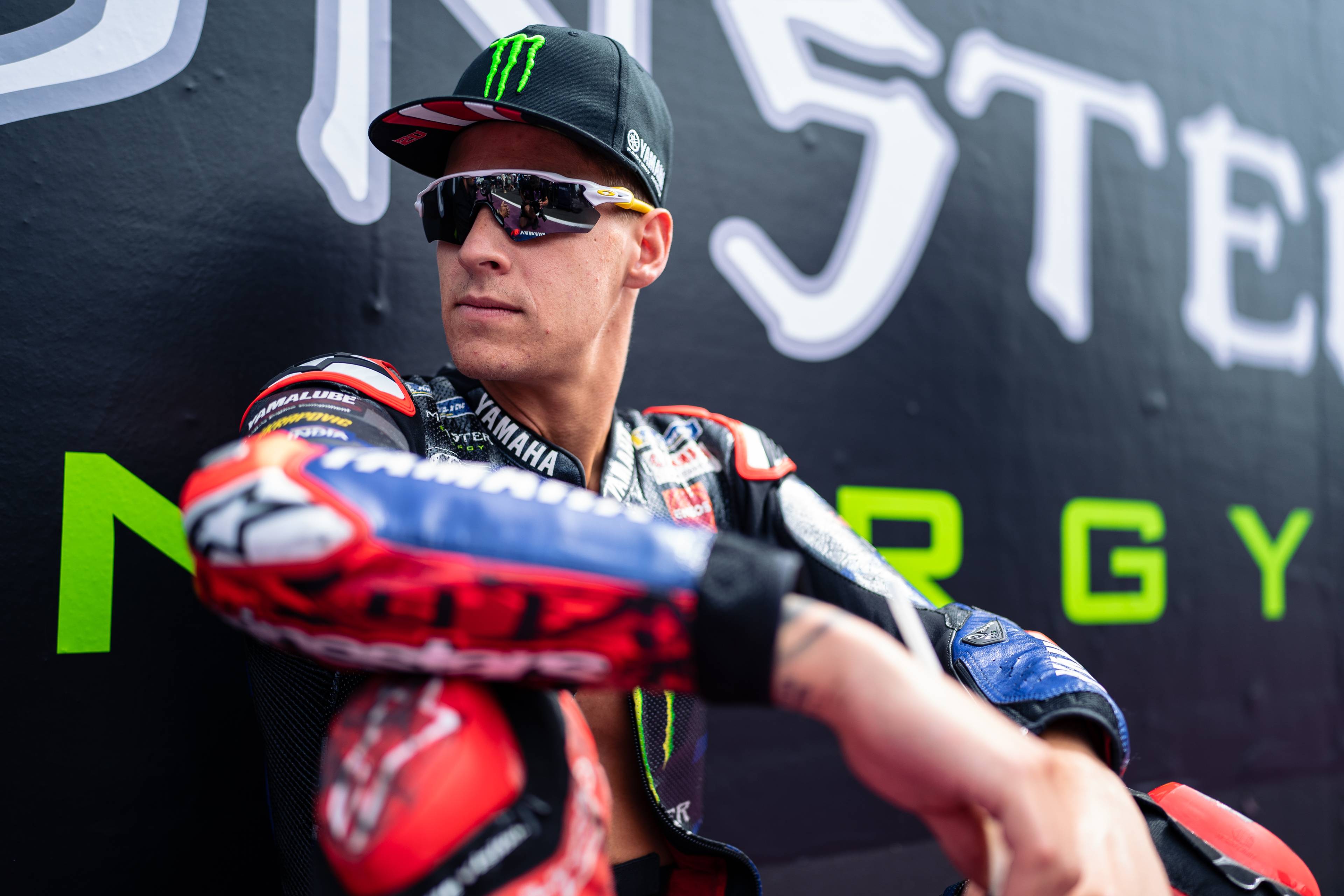
Yamaha's Fabio Quartararo echoed a similar sentiment, seeing a nuanced benefit. While conceding the bike might wheelie more on straights without the device, he firmly believes it will lead to safer braking. "It's good for the safety," Quartararo stated, noting that riders were previously compelled to use the device even in dangerous situations simply because everyone else was.
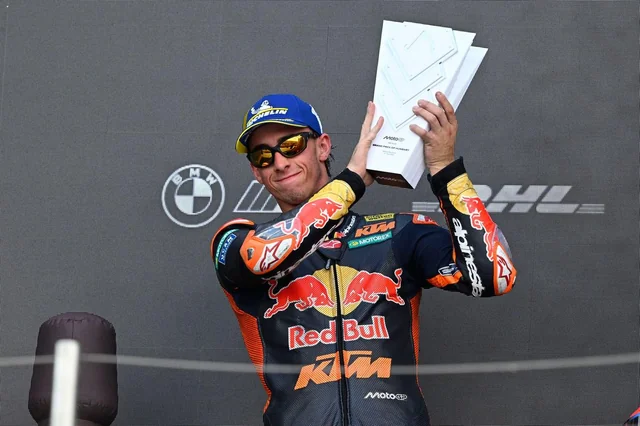
His teammate, Alex Rins, supported this view, recalling the less complicated days of early MotoGP. For Yamaha specifically, Rins explained that disengaging their front device required aggressive braking, a maneuver that will now be eliminated, making starts "a little bit more secure." Championship leader Marco Bezzecchi (VR46 Ducati) also expressed his acceptance, acknowledging that while it might not be the sole solution, it's a "strong decision" towards improving safety.
The Skeptics: New Dangers Lurk
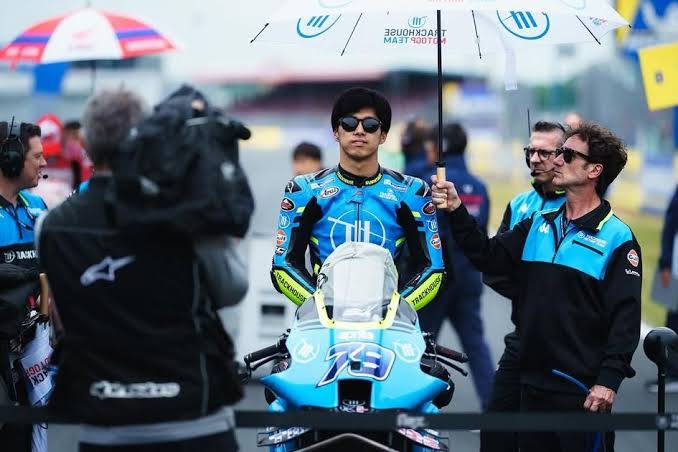
Not everyone shares the optimism. Trackhouse's Raul Fernandez raised a crucial point, suggesting the ban might inadvertently create new hazards. He fears an increase in wheelies, leading to more "unsafe changes of direction" and a flurry of penalties, referencing Izan Guevara's recent Moto2 sanction for a similar infraction. "With no device in the front part of the bike, the wheelie is easier," Fernandez warned, suggesting the initial races could be "even worse."
His concern stems from the physics: without the front device to keep the nose down, bikes will naturally lift more, potentially compromising control and line discipline at high speeds.
What's Next for Race Starts?
The MotoGP grid faces a period of adaptation. While the intention is clear – enhance safety – the pathway to achieving it is fraught with differing opinions and technical challenges. Riders will need to quickly recalibrate their race-start strategies, and teams will be scrambling to fine-tune their machines for this new dynamic. The true impact of the front holeshot ban will unfold in the upcoming races, providing a real-world test of this bold safety intervention. The eyes of the MotoGP world will be firmly fixed on that first corner at the Dutch GP.