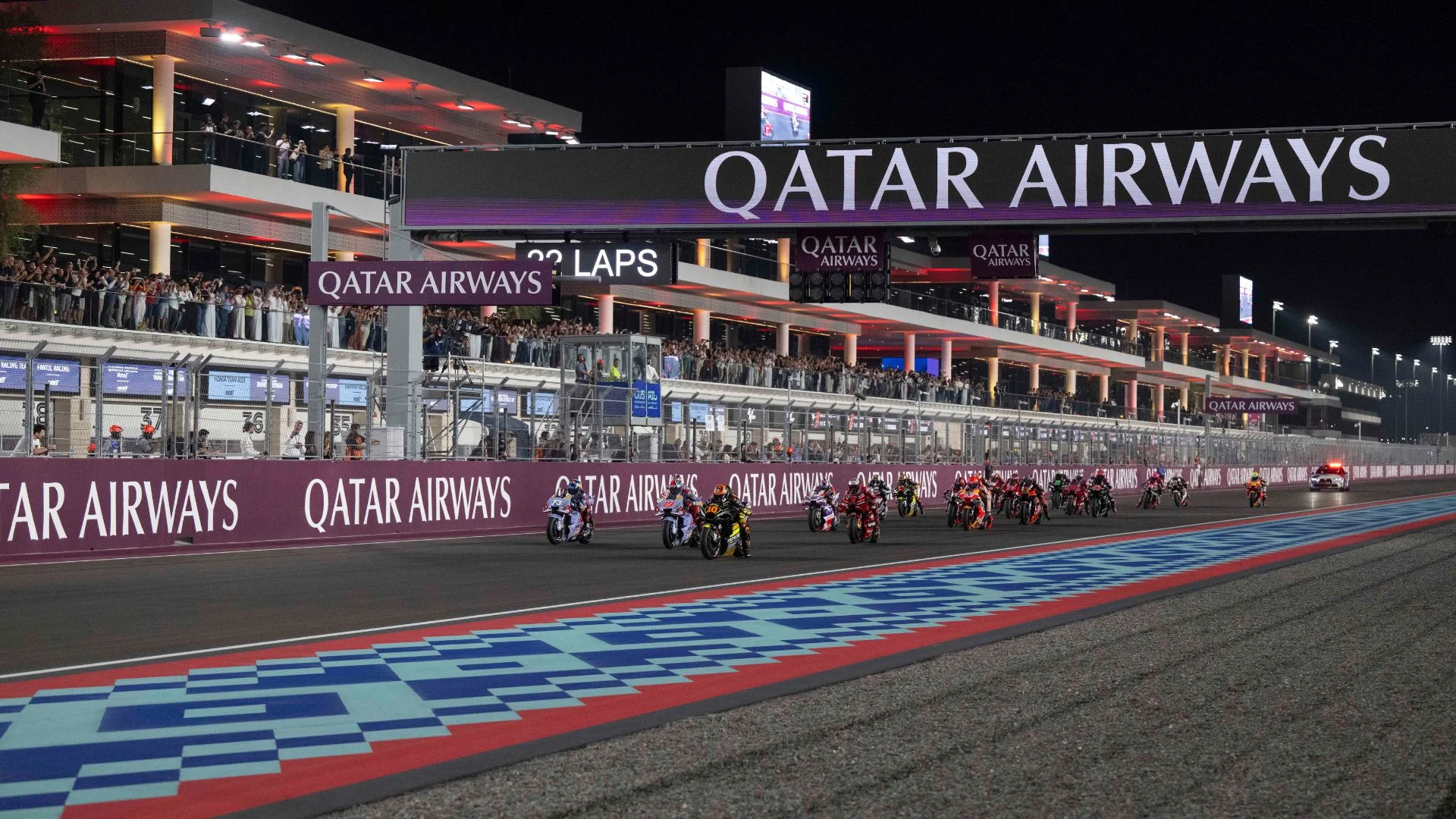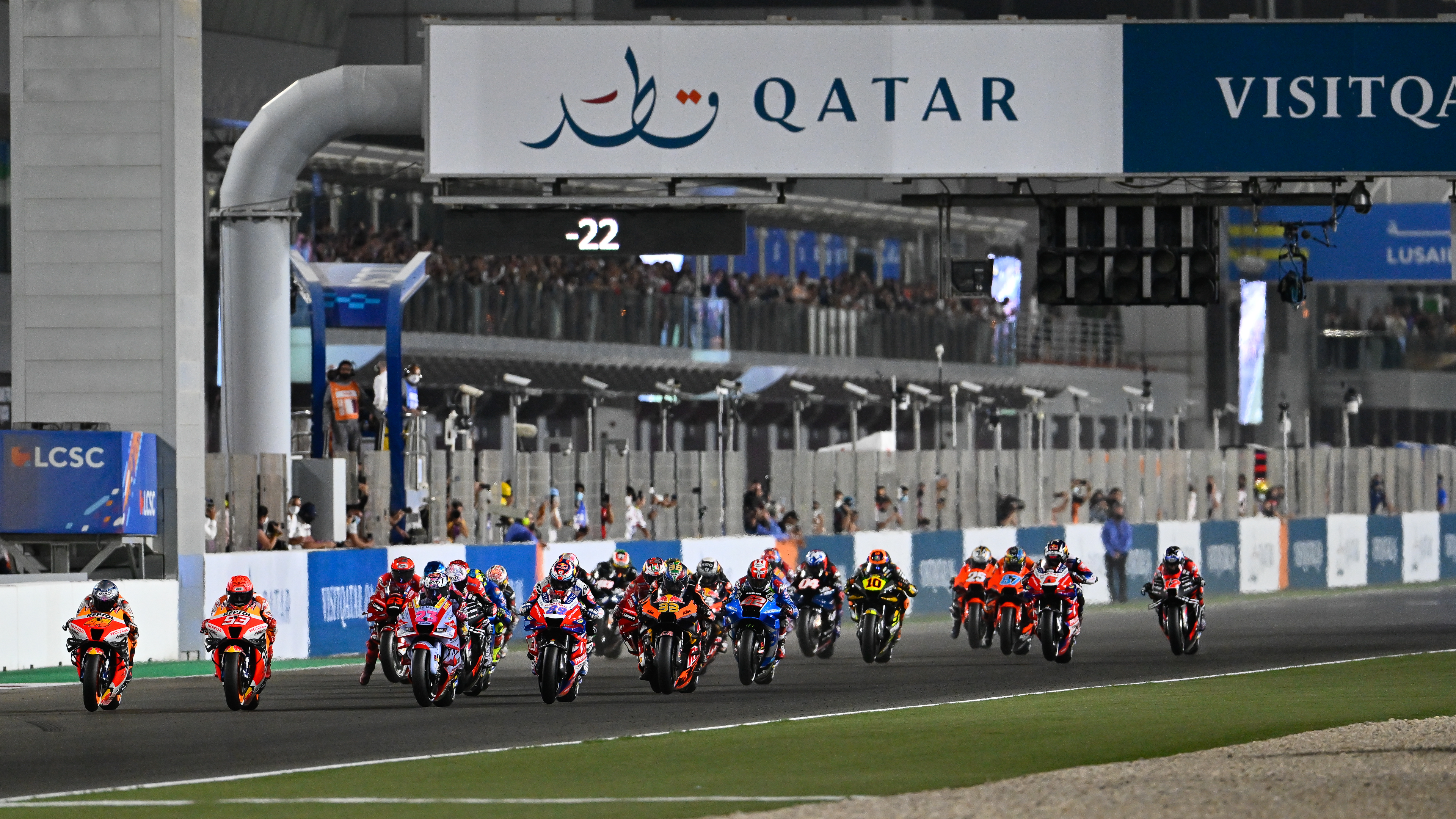

MotoGP is approaching a crucial decision on whether the rescheduled Qatar Grand Prix will go ahead on November 8, with rider safety and emergency arrangements remaining the main obstacles to an agreement.
The uncertainty follows weeks of discussions over the race, which was moved from its original April date because of geopolitical tensions in the Middle East. Although the regional situation has shown signs of easing, concerns remain over the risks associated with travelling to Qatar.
MotoGP Sports Entertainment Group (MGPSEG) deputy managing director Carlos Ezpeleta has travelled to Doha to assess the situation. His return is expected to help move negotiations forward, with an agreement potentially reached within the next 48 hours.
Riders have made it clear that they want more than general assurances about safety. Following a meeting at Phillip Island, they requested written guarantees covering emergency evacuation procedures, insurance in the event of Qatari airspace closures and arrangements to ensure riders and team personnel can return home safely if the situation deteriorates.
Further discussions took place at Sepang International Circuit on Wednesday, with riders and team managers joining the negotiations. While the talks were described as constructive, no final agreement had been reached at that stage.
One of the main sticking points is responsibility for the proposed safety measures. Riders want MGPSEG to take the lead in providing the necessary guarantees, but the championship organiser reportedly considers this difficult under the existing arrangements.

Source: Autosport
Qatar has maintained that it is ready to host the event safely. However, travel advisories from several governments continue to discourage non-essential trips to the region, leaving teams and riders weighing the potential risks against their commitments to the championship.
The possibility of cancelling the race also presents a contractual challenge. Qatar is an established partner on the MotoGP calendar, and withdrawing from the event could carry substantial financial consequences. With government travel advisories falling short of an outright travel ban, invoking force majeure to avoid contractual penalties may not be straightforward.
The dispute has also highlighted differences between the championship's commercial priorities and the concerns of its riders. While organisers must consider their obligations to race promoters and other partners, riders are insisting that their safety and the security of their teams must come first.
MotoGP teams face a difficult position as they navigate their commitments to the championship while representing the interests of their riders and staff. Any decision will need to account for both contractual responsibilities and the practical challenges of responding to a rapidly changing security situation.
With the proposed race date approaching, the coming days will be decisive. MotoGP must establish whether adequate safeguards can be put in place before the Qatar Grand Prix can proceed, with the outcome likely to have significant implications for the championship, its teams and its long-standing relationship with Qatar.