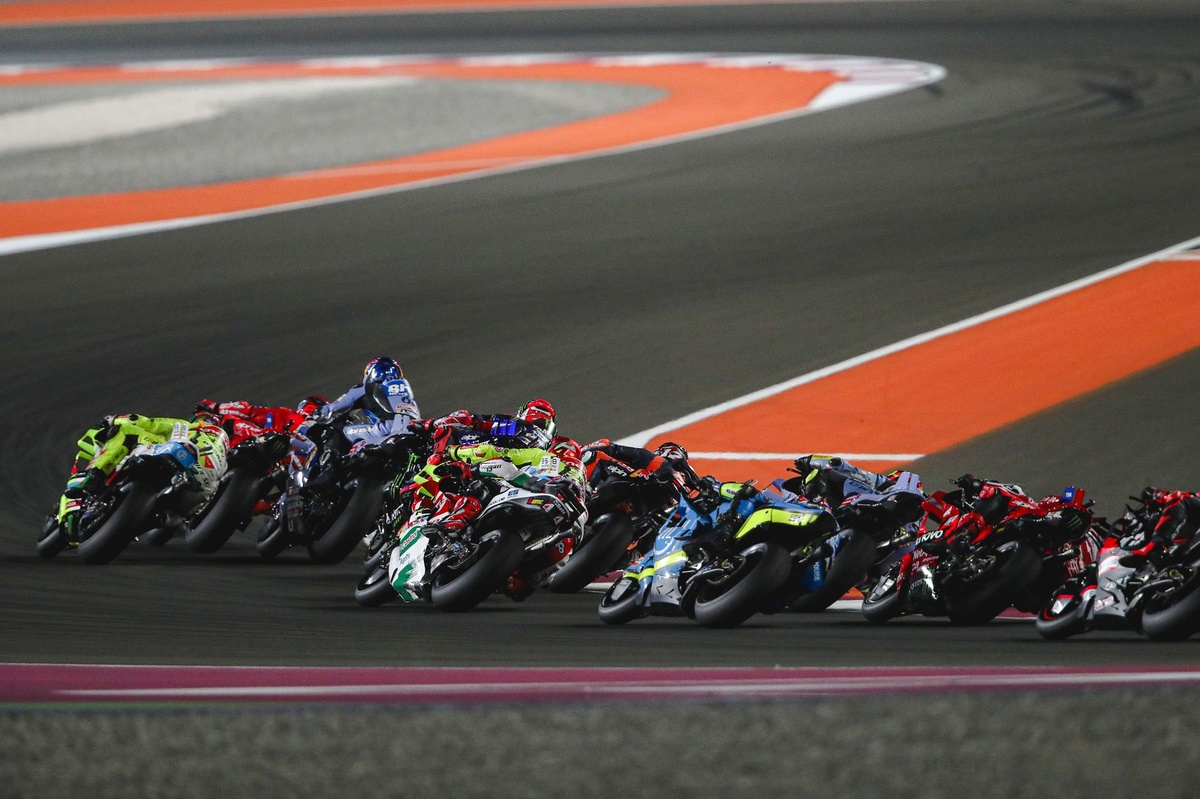

The rumble of MotoGP engines is poised to ignite the Lusail Circuit in Qatar despite the geopolitical storm brewing in the Middle East, sparking a heated debate over safety and the true cost of racing. Organizers are pushing forward, but the paddock remains divided.
Key Points:
- The MotoGP Qatar Grand Prix is confirmed for November 6-8 amidst ongoing regional instability.
- Promoters (MGPSEG) and local authorities assure safety with robust contingency plans.
- A significant majority (three-quarters) of MotoGP riders express deep reservations about traveling.
- Major manufacturers like Yamaha and Honda have reversed their initial opposition to the event.
The Green Light: Why Qatar is Still On
Despite escalating concerns in the Middle East, the MotoGP Teams Association has given the green light for the Qatar Grand Prix. The race, originally set for April, was postponed earlier this year due to conflict but is now firmly scheduled for November 6-8. This decision means the Lusail Circuit will host the intense final leg of a demanding triple-header, following the Australian and Malaysian Grand Prix.
Navigating Volatility: Promoter's Stance
MotoGP Sports Entertainment Group (MGPSEG), the championship promoter, stands firm on its commitment to the Qatar GP. They cite strong assurances from Qatari authorities and local promoters, who have implemented a specific contingency plan. The International Road-Racing Teams Association (IRTA) has relayed this confidence to all teams via email, emphasizing that relevant embassies have not advised against travel.
Carmelo Ezpeleta, CEO of MGPSEG, confirmed the ongoing monitoring. "We are planning to travel to Qatar but, obviously, the safety and well-being of all personnel and fans is our top priority," Ezpeleta stated, highlighting that Hamad International Airport is operating normally. This sentiment echoes the confidence required for Formula 1, also scheduled to race at Lusail later in November.
Rider Reservations vs. Team Mandates
While the organizers project confidence, the MotoGP paddock is far from unified. A significant majority—reportedly three-quarters of the grid—would prefer to avoid racing in Doha. These riders harbor legitimate concerns about traveling to a region still experiencing volatility.
This collective unease creates a palpable tension within the sport. Many companies involved have strict internal policies prohibiting employees from entering unstable territories, posing a direct conflict for personnel and teams. The upcoming Phillip Island press conference will undoubtedly be a crucial moment, as riders are expected to vocalize their positions publicly.
Manufacturers Reconsider Their Stance
Intriguingly, initial resistance from powerful manufacturers like Yamaha and Honda has softened. Both Japanese giants were initially staunchly opposed to sending their staff into a perceived conflict zone. Yamaha, for instance, had proactively sought alternative flight routes for personnel nearly two months ago.
This shift in stance is a critical development. It suggests that the assurances from MGPSEG and Qatar have been compelling enough to sway even the most cautious stakeholders, underscoring the immense logistical and financial pressures involved in staging a MotoGP event. The balancing act between safety, sentiment, and contractual obligations continues to play out.