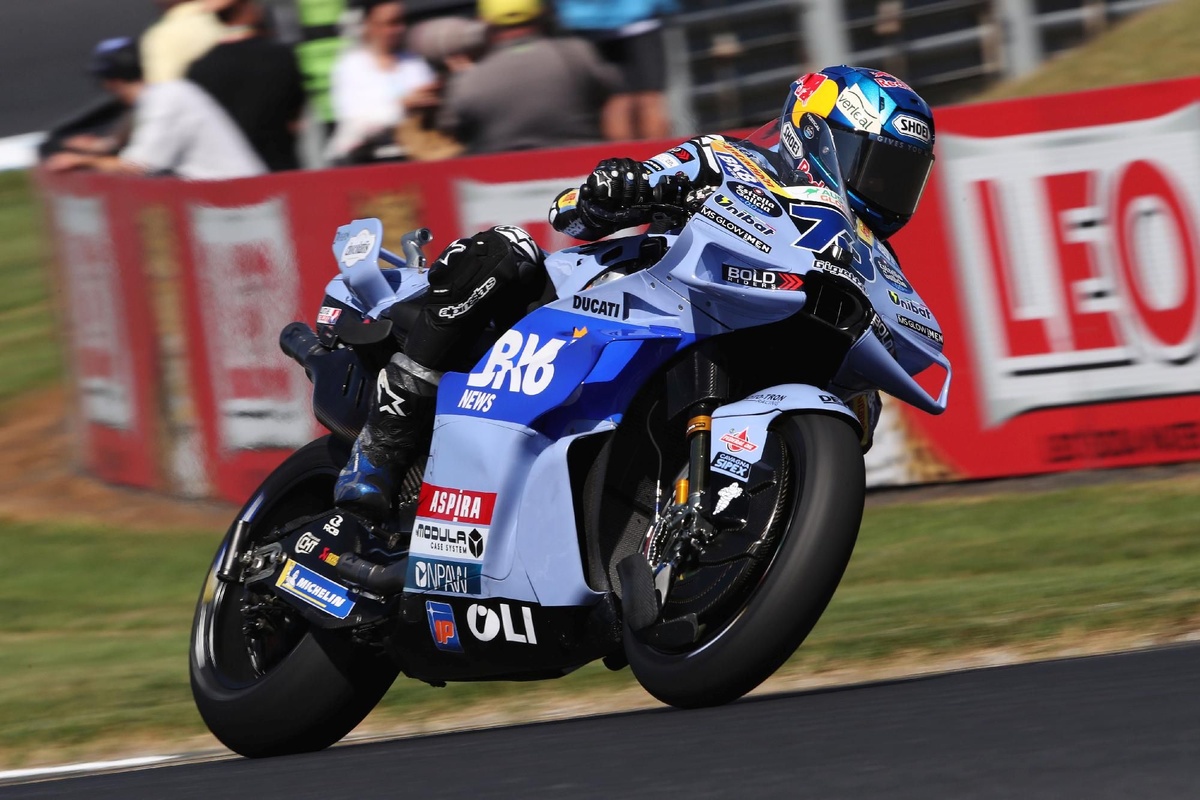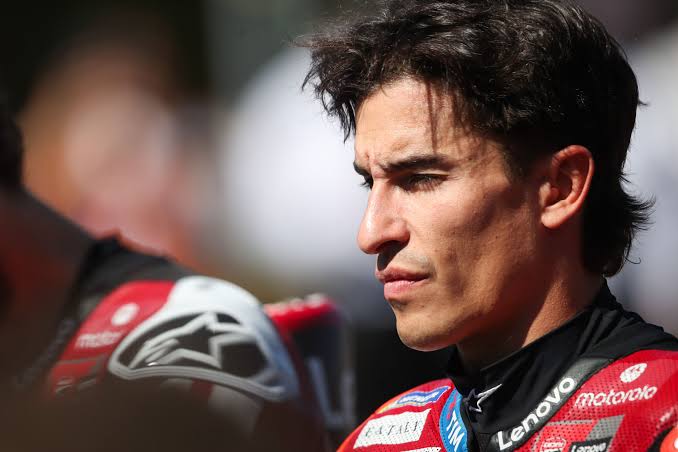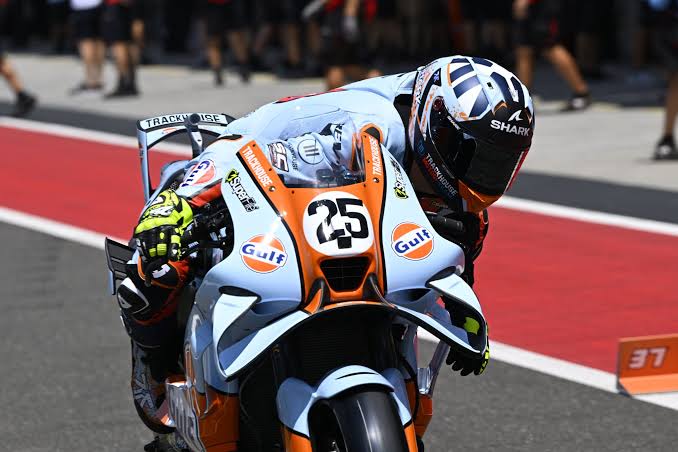


The roar of engines at Phillip Island was momentarily overshadowed by a different kind of tension as MotoGP riders convened, not just to race, but to demand concrete safety assurances for the upcoming Qatar Grand Prix. With geopolitical instability simmering in the Middle East, the grid's collective voice is rising, pushing for guarantees that go beyond typical race-day preparations. This isn't just about speed; it's about peace of mind.
Key Points: The Qatar GP Standoff
- MotoGP riders are collectively seeking extensive written safety guarantees for the Qatar Grand Prix on November 8th.
- Concerns are driven by persistent regional instability in the Middle East, notably recent Houthi attacks in Saudi Arabia.
- Demands include a robust evacuation plan, covered accommodation if airspace closes, and repatriation insurance.
- This critical juncture is poised to finally activate a powerful MotoGP Riders' Association, giving racers a unified voice.
The Standoff at Phillip Island: Safety First?
The genesis of this current standoff traces back to the initial postponement of the Qatar GP from April to November, a direct consequence of escalating armed conflict in the Middle East. While the most intense phase may have subsided, a lingering sense of unease persists among the riders. Despite assurances from MotoGP Sports Entertainment Group (MGPSEG) executives and the Teams' Association (IRTA) that the race at Losail International Circuit will proceed safely, the riders remain unconvinced.
Weeks ago, following the Indonesian round, a private vote conducted via a WhatsApp group revealed a stark reality: three-quarters of the grid opposed making the trip to Qatar. This significant dissent culminated in an extraordinary meeting at Phillip Island, where riders gathered without organizers to forge a united front.
Fueling Rider Fears: Lingering Regional Unrest
The riders' anxieties are not unfounded. Recent weeks have seen reports of missile and drone attacks by Iran-aligned Houthis on key sites within Saudi Arabia, a stark reminder that the region's stability remains fragile. For athletes and support staff, traveling into such an environment carries inherent risks that extend far beyond the track itself.
This backdrop of ongoing geopolitical tension has forced riders to consider scenarios that, ideally, should never be a concern for professional sports. Their focus shifts from championship points to fundamental personal safety, prompting a push for unprecedented levels of protection.
Unyielding Demands: What Riders Are Really Asking For
During their private discussions, the riders solidified a series of non-negotiable demands, all to be provided in writing. These aren't minor tweaks; they represent a fundamental call for comprehensive risk mitigation.
Their key requests presented to MotoGP Deputy CEO Carlos Ezpeleta at the Safety Commission meeting included:
- A guaranteed, clearly defined evacuation plan for the entire paddock, should it become necessary.
- Coverage of all accommodation costs for personnel if airspace restrictions strand them.
- Robust repatriation insurance to ensure safe return in the event of conflict escalation during their stay.
These demands underscore a deep-seated desire for accountability and proactive measures from the championship organizers.
The Collective Roar: A Riders' Association Awakens?
Perhaps the most significant outcome of this entire episode is the renewed impetus for a fully functional MotoGP Riders' Association. While an organization was nominally established three years ago with Sylvain Guintoli as a designated spokesperson, it never truly gained traction. Now, the stakes are too high to ignore.
"I think a series of situations have arisen that have made us all understand that [the association] is necessary," stated Alex Marquez at Phillip Island. "We are aware of it and understand that it is for our own good." His sentiment was echoed by championship contender Francesco Bagnaia, who added, "The unity of the riders is an important thing... Now is the right time to take it up again, and for the riders to have more of a voice."
The push for concrete safety guarantees for Qatar could well be the catalyst that finally empowers MotoGP riders with a collective, unified voice, forever changing the dynamic between athletes and championship management.