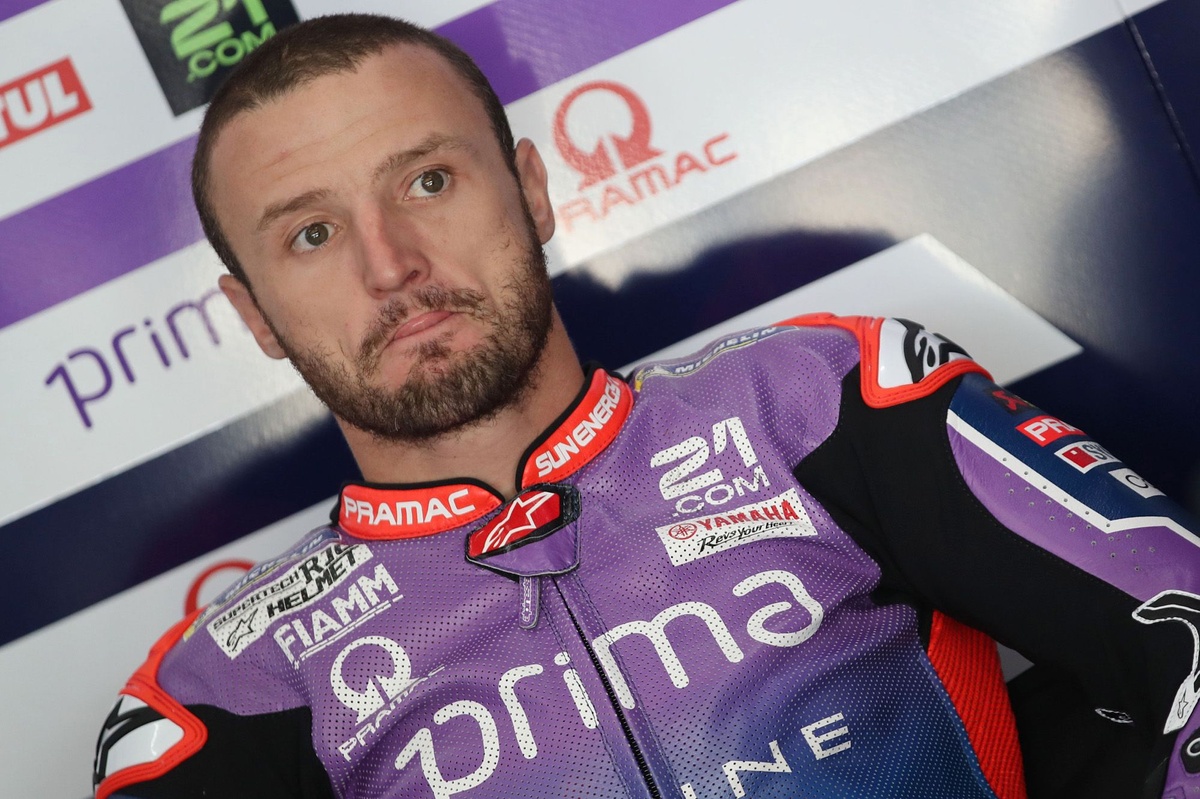



A high-stakes power play is unfolding in MotoGP, as riders and organizers clash head-on over the controversial Qatar Grand Prix. Even in the high-octane world of racing, safety concerns can spark a fierce battle, and the upcoming event in Doha has become a focal point for deep-seated tensions. The regional instability has cast a long shadow, forcing a dramatic shift in paddock sentiment.
Key Points in the Qatar GP Controversy:
- Initially, a vast majority of MotoGP riders opposed travelling to the Qatar Grand Prix due to ongoing regional tensions.
- Paddock sentiment has dramatically shifted, with only a handful of riders now openly reluctant.
- Organizers MGPSEG and FIM are resolute: the race will proceed, backed by robust Qatari government guarantees.
- Riders considering non-attendance face severe potential penalties, including financial repercussions and multi-race bans.
The Unwavering Green Light: Qatar GP on Track
Despite palpable anxieties, the MotoGP championship authorities, MGPSEG, and the Federation Internationale de Motocyclisme (FIM), have sent an unequivocal message: the Qatar Grand Prix is on. This firm stance comes even as nations represented in the paddock advise citizens against non-essential travel to the region. The distinction is crucial; without an official government travel ban, "force majeure" cannot be invoked for cancellation.
The race’s continuation is heavily underpinned by the Qatari government's comprehensive guarantees. These assurances cover every critical aspect, from a detailed evacuation plan for the entire paddock to financial protection against airspace closures and even repatriation insurance in a worst-case scenario. This robust backing is a cornerstone of the organizers' unyielding position.
Rider Resistance Fades Under Pressure
What began as a widespread show of solidarity among riders has fractured. Just days ago at Phillip Island, three-quarters of the grid expressed strong opposition to travelling to Doha. However, a recent meeting in Malaysia revealed a stark shift: now, only three riders reportedly maintain their reluctance.
This dramatic swing highlights the immense pressure riders face. They find themselves isolated, positioned against their teams, the championship's commercial rights holder MGPSEG, and the governing body FIM. The message is clear: contractual obligations must be met, or consequences will follow.
The Shadow of Sanctions: What's at Stake for Absentees?
For any rider contemplating a no-show at the Qatar Grand Prix, the potential repercussions are severe and multi-faceted. Teams could levy financial penalties, passing on any fines imposed on them by the championship organizers directly to the rider.
More critically, the FIM views non-attendance without legitimate justification as a grave breach of regulations. Such an offense could lead to sporting sanctions that extend far beyond the current season. Sources indicate that a rider failing to appear on track for Friday practice in Doha risks being barred from the final two rounds of the championship in Portugal and Valencia.
On-the-Ground Assessment: Doha Declared 'Normal'
To gauge the reality on the ground, MGPSEG deputy managing director Carlos Ezpeleta recently visited Doha. Attending a conference, he gained firsthand insight into the atmosphere in the Qatari capital, home to the Losail circuit.
His delegation reported back: "Everything is completely normal." This assessment, delivered after Ezpeleta flew to Malaysia on the very day riders held their tense meeting, further solidified the organizers' resolve to proceed with the event.
A Paddock Divided: Strained Relations Behind the Scenes
The rising tensions aren't just about travel; they've strained relationships within the paddock. A telling detail emerged from the riders' recent meeting in Sepang: their request for a formal meeting room was denied by championship authorities, forcing them to gather in Yamaha's communications office. This incident underscores the deep chasm that has opened between the riders and management.
As the Qatar Grand Prix draws closer, the focus remains split. While organizers emphasize safety guarantees and contractual obligations, the underlying concerns of the riders, however diminished in number, reflect a deeper unease with geopolitical realities impacting their sport.